




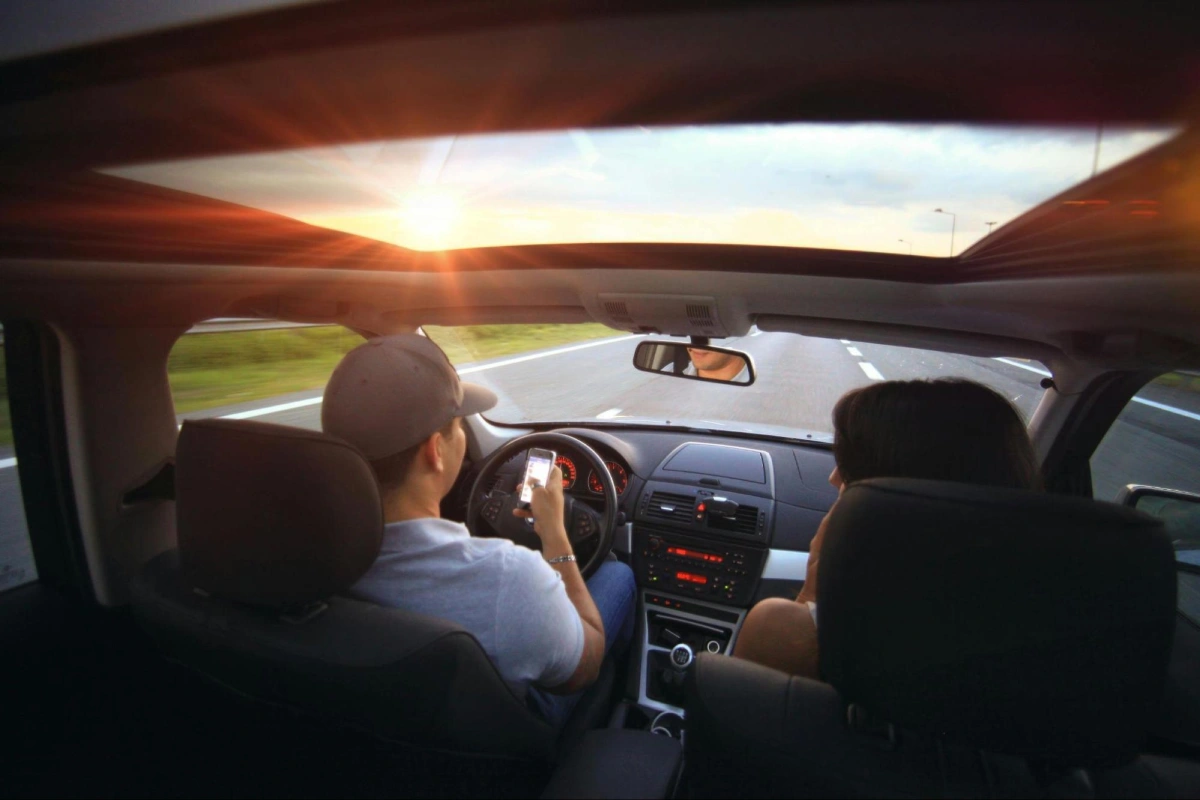
You’ve probably seen it around Denver—drivers scrolling through their phones at red lights or even while the car’s in motion. Maybe you’ve even done it yourself, thinking it would only take a second to reply. But those seconds can quickly lead to a crash, an injury, or worse.
Colorado has taken steps to reduce distracted driving with clear laws, especially for younger drivers. Still, many people don’t know exactly what counts as distracted driving or what penalties exist. Knowing the law helps you stay safe and avoid unnecessary legal trouble—and it matters even more if you’ve been in a crash caused by someone else’s lack of focus.
Let’s break down what Colorado law says and why staying alert on the road matters more than ever, especially in busy cities like Denver, where distractions are everywhere.
What Counts as Distracted Driving in Colorado?
Not all distractions look the same. In Colorado, distracted driving can be broken into three main categories:
- Visual – when your eyes leave the road
- Manual – when your hands leave the wheel
- Cognitive – when your mind isn’t focused on driving
It’s not just about phones. Eating a sandwich, adjusting the stereo, typing in GPS directions, checking social media, or even daydreaming behind the wheel—all of these count as distractions and can increase the risk of an accident.
If a distracted driver causes a crash, it’s important for you to seek legal help right away. The O’Sullivan Law Firm has years of experience helping victims of car accidents get the support and compensation they deserve. You can call this law firm if you’re in a car accident in Denver to get help navigating the legal process.
What Colorado Law Actually Says
Colorado law is written under C.R.S. 42-4-239, and it clearly defines what’s allowed and what’s not:
For adult drivers (18 and older):
- Hands-free phone use is allowed.
- You can’t manually enter or send text messages, emails, or app commands while driving.
- You’re not allowed to read messages on your phone, either—not even at stop signs or red lights.
For teen drivers (under 18):
- No phone use at all while driving—no texts, no calls, not even hands-free.
- The only exception is if they need to contact emergency services for immediate help.
Penalties:
- First offense: $50 fine and 1 point on your license
- Second offense: $100 fine and 1 point
- Additional offenses may lead to court appearances, higher fines, or even license suspension, especially for teen drivers.
Police must actually see a driver texting or entering data in order to pull them over—unless there’s another traffic violation happening at the same time.
These rules aren’t just there to hand out tickets—they’re there to prevent serious crashes that can change lives in an instant.
Why Distracted Driving Is Still a Major Problem
Even with clear laws in place, distracted driving remains one of the leading causes of crashes in Colorado. And it’s not just a problem for teenagers—plenty of adult drivers get caught in the habit too.
According to the Colorado Department of Transportation (CDOT), distracted driving led to over 10,000 crashes in 2020. That number has stayed steady or increased over the past five years, despite education campaigns and law changes.
The problem isn’t just texting. Many people use voice commands or speakerphone features, thinking they’re safe. But even those can pull a driver’s attention away from the road for just long enough to cause a crash.
Crashes often happen in everyday settings—city streets, intersections, school zones—not just on highways. Neighborhood roads and stop-and-go traffic are common places for rear-end collisions caused by drivers looking at their screens instead of the brake lights ahead.
One of the challenges is enforcement. Unless there’s a clear view of someone typing on their phone, it can be tough for officers to issue citations. That’s why awareness and personal responsibility matter just as much as laws.
What If You’re in a Distracted Driving Crash?
A crash caused by a distracted driver can lead to more than just vehicle damage. You might be dealing with:
- Emergency room bills
- Ongoing medical treatment
- Missed work and income
- Stress or anxiety
- A totaled car and transportation issues
The insurance process can get complicated fast. Distracted drivers may deny using their phones. Their insurance company might try to minimize your claim or offer less than you deserve to settle quickly.
Proving distraction isn’t always easy, but an attorney can help gather the right evidence. That might include:
- Cell phone records
- Traffic camera footage
- Witness statements
- Police reports
- Social media activity tied to the time of the crash
Colorado follows comparative negligence rules, which means the other driver’s level of fault matters. The more proof you have of their distraction, the better your chances of receiving full compensation for your losses.
Tips to Avoid Distractions Behind the Wheel
You can’t control how others drive—but you can make sure you’re staying focused. Here are a few simple ways to stay safe behind the wheel:
- Use “Do Not Disturb While Driving” mode on your phone
- Set your GPS before you leave
- Keep both hands on the wheel at all times
- Avoid multitasking (eating, applying makeup, adjusting music)
- Pull over if you need to check something urgently
- Ask passengers to help with navigation or calls when needed
Even minor distractions can lead to serious consequences. If you make a habit of staying focused, you help protect not just yourself, but everyone else on the road with you.
Building better driving habits doesn’t have to be complicated. A few small changes can go a long way in keeping your community safer.
Driving in a busy place like Denver requires more focus than ever. Between heavy traffic, pedestrians, bikes, scooters, and endless construction zones, drivers need to stay alert at all times. The laws exist for a reason—to reduce crashes and protect lives.
Whether you’re new to Colorado or a longtime local, it’s worth reviewing distracted driving laws regularly. Knowing what’s allowed (and what’s not) helps you make better choices behind the wheel. And if someone else’s poor choice leads to a crash, it’s important to know your rights and get the help you need.