





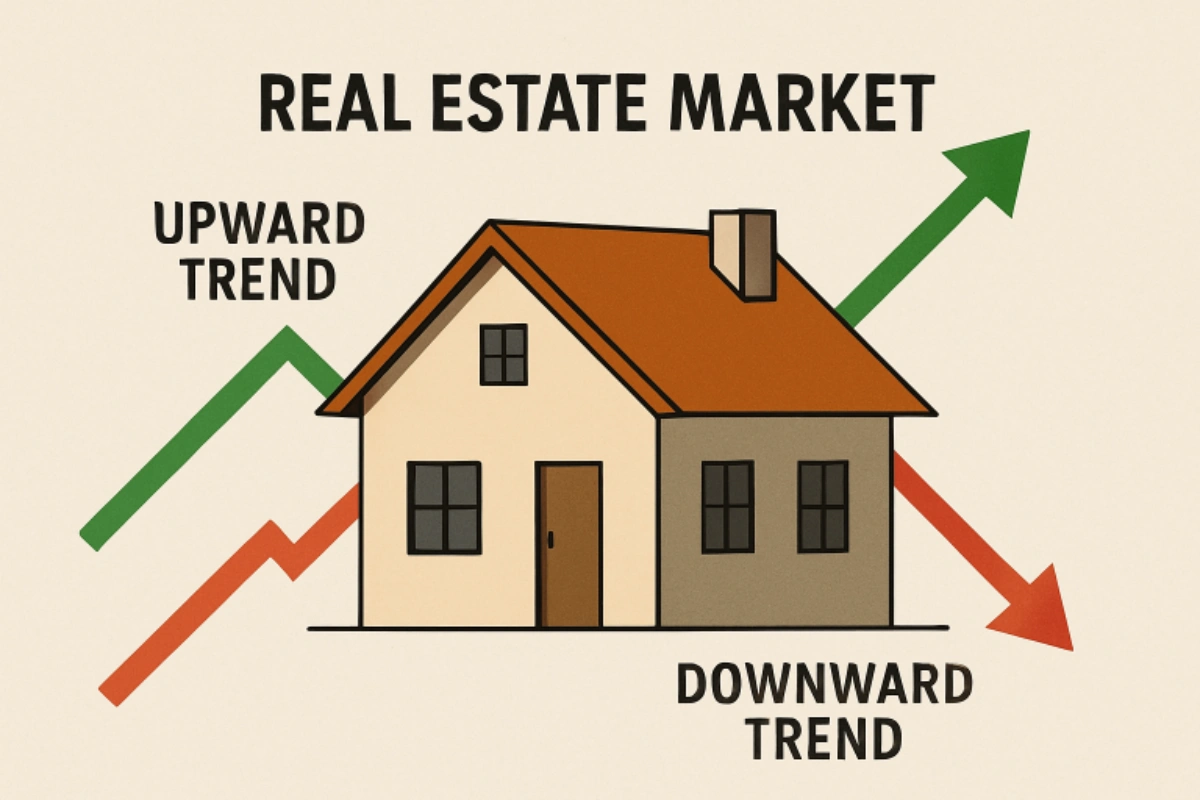
Key Takeaways
- Interest rates, employment, housing inventory, and inflation are fundamental to real estate market dynamics.
- Changes in these indicators directly affect buyer affordability, seller leverage, and property values.
- Understanding market sentiment and bubble warning signs can help buyers and sellers avoid costly mistakes.
- Staying informed enables strategic real estate decisions, regardless of market conditions.
Understanding economic indicators is crucial for real estate participants, offering insight into market conditions to spot opportunities and challenges. As demand shifts with economic, social, and financial changes, monitoring these indicators is essential for both seasoned investors and first-time buyers. Whether you’re selling a property or trying to purchase your dream home, expert guidance from professionals like New York NY real estate expert Eileen Robert can make a significant difference.
Economic health affects housing markets; when borrowing is cheaper and jobs are abundant, optimism rises, boosting transactions and prices. Economic uncertainty, high inflation, or many homes for sale can slow the market, shifting power between buyers and sellers. Staying aware of these forces helps you react and anticipate market changes. Savvy participants observe signals like rising prices or dropping confidence to avoid bad deals and maximize returns. Economic indicators also provide a broad view of market trends nationwide and locally. Knowing these helps you avoid surprises and succeed throughout the real estate cycle.
Interest Rates
Interest rates greatly impact real estate affordability. Lower mortgage rates reduce monthly payments, encouraging more buyers, increasing competition, and raising property values. In 2025, U.S. mortgage rates near 6.5% reassured hesitant buyers. When rates rise sharply, buyers’ purchasing power drops, and sellers face more competition, often lowering prices or offering incentives. Monitoring Federal Reserve and mortgage trends is vital for buyers and sellers.
Employment Levels
Strong job growth drives real estate demand; more employment boosts consumer confidence and purchase willingness, raising prices and reducing inventory, aiding sellers. High unemployment cools the market, lowering transactions and prices. Monitoring employment trends, especially locally, helps interpret market signals, like a new major employer prompting a surge in nearby home buying.
Housing Inventory
The number of homes for sale compared to active buyers indicates a “buyer’s” or “seller’s” market. Low inventory and high demand favor sellers with bidding wars and quick, high-priced sales. When more homes are available but fewer buyers, buyers gain negotiating power and prices soften. By mid-2025, American housing shifted to a buyer’s market with about 500,000 more sellers than buyers, easing price pressure and boosting negotiations.
Inflation Rates
Inflation can erode purchasing power, affecting buyers’ ability to save and their monthly expenses. When inflation is high, mortgage interest rates tend to rise as lenders protect their returns. This raises the total cost of financing a home, limiting affordability. When inflation remains low, it provides stability, helping more households participate in the real estate market.
Watching both general inflation figures and local cost-of-living trends is wise for anyone considering a property transaction.
Consumer Confidence
The mood of consumers—how optimistic or pessimistic they feel about their financial situation—plays a vital role in shaping real estate behavior. High consumer confidence usually leads to increased spending, more mortgage applications, and higher demand for properties. Low confidence causes hesitation, transactions decrease, and inventory grows as fewer buyers compete. In 2025, ongoing economic uncertainty contributed to a 3.4% decline in pending U.S. home sales from the previous year.
Real Estate Bubbles
A real estate bubble occurs when property prices rise unsustainably, driven by speculation, easy credit, or enthusiasm. Indicators include rapid price increases, buyers waiving contingencies, and a disconnect between prices and economic fundamentals. When a bubble bursts, panic selling and sharp corrections can cause losses. Recognizing early signs, monitoring market data, and trends help buyers and sellers avoid risks and benefit from healthier cycles.
Market Sentiment Indicators
In today’s data-driven market, specialized tools help gauge the prevailing sentiment among buyers and sellers. Products like the Climate Index and Market Pulse measure the ratio of successful listings to failed ones and evaluate the current balance of supply and demand. These insights help investors and homebuyers develop realistic pricing strategies, manage timing, and anticipate market turns.
By combining these advanced tools with traditional market knowledge, individuals can make nuanced decisions and minimize risks in uncertain times.
Conclusion
Every real estate decision is shaped by powerful economic forces. By understanding how interest rates, employment, inventory, inflation, and consumer confidence interact, buyers and sellers can prepare for market shifts and seize opportunities. Staying informed about the latest changes—while working with seasoned professionals—removes much of the guesswork, ensuring you can achieve your real estate goals regardless of market conditions.
Title Page Separator Site title
| Select Position Before first heading (default) After first heading After first paragraph After paragraph number After Image number Top Bottom |
| Select Mobile Desktop |
| None (Default) Left Right Center |