





Table of Contents
- Introduction
- Common Recyclable Materials
- Benefits of Recycling
- Innovations in Recycling
- Challenges in Recycling
- How to Improve Recycling Habits
- Conclusion
Recycling has become a fundamental aspect of environmentally conscious living, allowing individuals and communities to transform everyday waste into reusable resources. By engaging in thoughtful recycling practices, individuals play a crucial role in reducing landfill overflow, conserving energy, and contributing to a healthier planet. In today’s fast-paced world, where new technology and consumer products constantly emerge, there’s a growing need for responsible disposal and recycling, underscoring the importance of partnering with electronic scrap buyers offering competitive prices to ensure that valuable components don’t end up polluting the environment.
The impact of personal and community recycling extends well beyond basic environmental responsibility. Each properly recycled can, bottle, or device means fewer raw materials are harvested, less energy is burned, and a decreased burden on natural ecosystems. A deeper understanding of what can be recycled, as well as how these materials are processed and reused, empowers everyone to actively participate in sustainability efforts and create positive change for future generations.
Beyond its environmental benefits, recycling also holds significant economic value, creating new industries, generating jobs, and driving technological innovation. It energizes a circular economy where materials are continuously repurposed rather than discarded, ultimately fostering resilience in supply chains and communities. By distinguishing between recyclable and non-recyclable waste, individuals make informed decisions that not only reduce environmental damage but also stimulate green growth.
Moreover, increased awareness around recycling drives social action and supports local waste management programs. When everyone—from businesses to homeowners—takes small but meaningful steps, the cumulative effect is transformative, reducing costs for municipalities and generating valuable raw material streams that benefit society as a whole.
Common Recyclable Materials
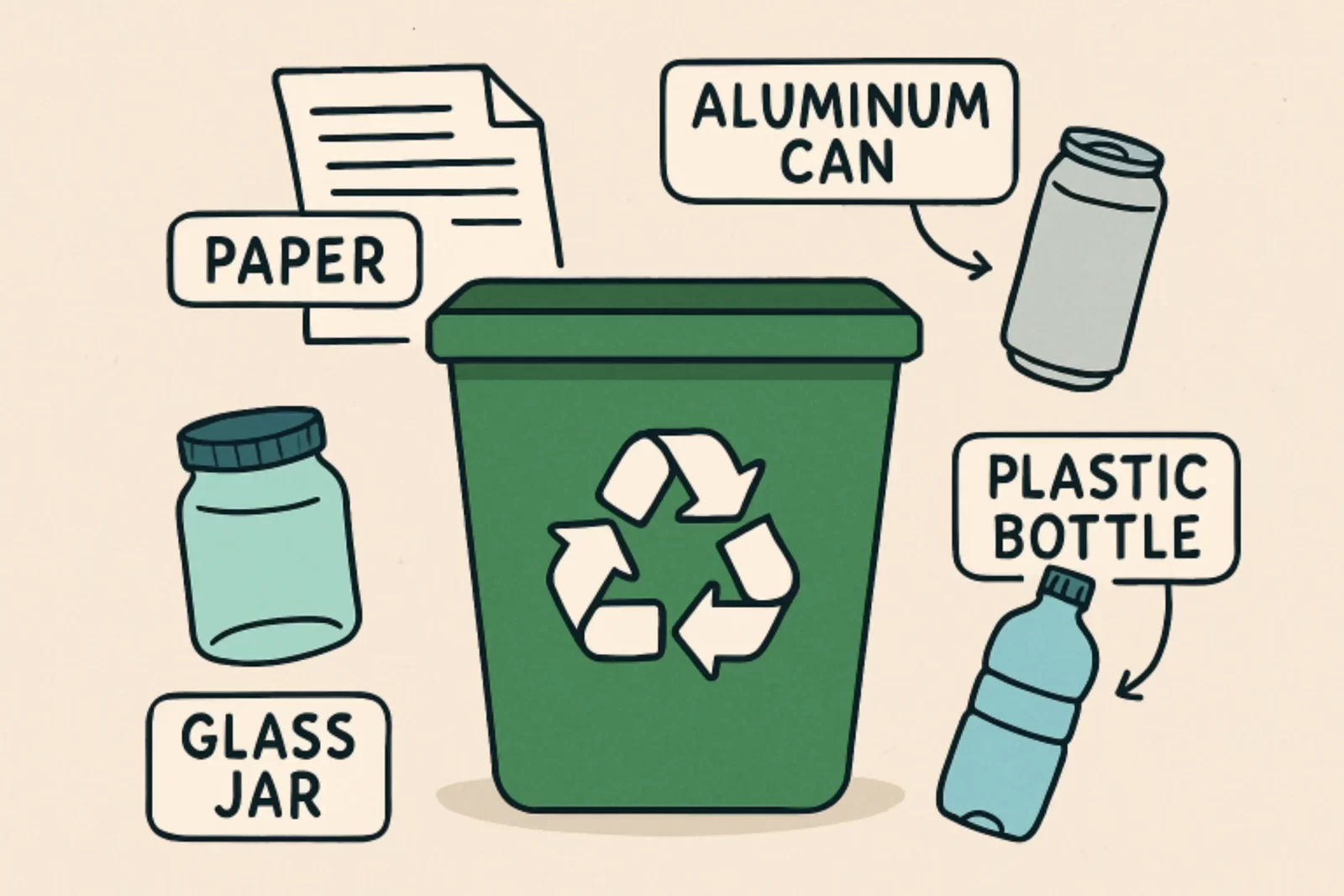
Many of the items handled daily are prime candidates for recycling, each offering its own unique environmental savings:
- Paper and Cardboard: Among the most commonly recycled materials, paper and cardboard can be processed repeatedly, reducing the demand for cutting new trees and conserving significant amounts of water and energy. Even recycled office paper helps offset greenhouse gas emissions and protects wildlife habitats.
- Aluminum: Beverage cans and foil made from aluminum can be recycled virtually forever without losing integrity. The energy saved from recycling aluminum instead of producing it from ore is immense—enough to power countless homes and devices.
- Plastic: While plastic recycling is notoriously complex due to various resin types, progress is being made. Cutting-edge solutions for repurposing plastics are disrupting conventional waste management cycles, yet global recycling rates remain low, highlighting the need for improved management practices.
- Glass: Glass can be melted down and recast indefinitely, with no loss in quality or purity. Recycling glass reduces reliance on raw materials such as sand and cuts energy demands for manufacturing. Efficient glass recycling programs can also diminish landfill waste and reduce air pollution.
- Steel: As the most recycled metal on Earth, steel can be reprocessed repeatedly, with recycled steel used in everything from packaging cans to construction beams. Huge energy and resource savings make steel recycling essential for long-term sustainability.
Benefits of Recycling
- Conservation of Natural Resources: Every recycled product is a resource saved from extraction, refinement, or depletion. This is crucial for fragile ecosystems and the preservation of biodiversity, as it sustains resources for future generations.
- Energy Savings: Recycling routinely uses less energy than creating materials from scratch. For example, producing recycled aluminum saves up to 95% of the energy compared to new production.
- Waste Reduction: By diverting recyclables from landfills, communities reduce the environmental risk of leachate, landfill gas, and habitat destruction, all while conserving precious landfill space.
- Economic Opportunities: Recycling industries spur job creation in sorting facilities, collection programs, manufacturing units, and research institutes. By recycling valuable materials, local economies are strengthened, and valuable raw materials are reclaimed for industrial use.
Innovations in Recycling
- AI and Robotics: Artificial intelligence and machine learning-powered innovations are accelerating the efficiency of sorting and processing recyclables. Robots equipped with sensors can now rapidly and accurately separate materials, boosting recycling rates and reducing operational costs for material recovery facilities.
- Advanced Plastic Chemistry: New catalytic processes and methods of chemical recycling are emerging to handle hard-to-recycle plastics, converting them into new materials or fuel. These innovations represent a significant leap forward in addressing plastic pollution and enhancing the effectiveness of single-stream recycling.
Challenges in Recycling
- Material Contamination: Non-recyclables accidentally placed in recycling bins can spoil entire batches, leading to increased costs and reduced efficiency. Ensuring only appropriate items enter the recycling stream is a shared responsibility for all participants.
- Volatile Commodity Markets: Fluctuating market values for recycled materials can disrupt local recycling programs, making them financially unsustainable during downturns.
- Lack of Public Awareness: Many households remain uncertain about what materials are recyclable and how to prepare them for pickup, resulting in lower recycling rates and missed opportunities.
How to Improve Recycling Habits
- Stay Informed: Regularly consulting local recycling guidelines helps ensure that only suitable items enter the recycling stream, minimizing contamination and boosting efficiency.
- Clean and Sort: Taking time to rinse containers and separate different types of recyclables drastically improves processing at recycling centers.
- Support Pro-Recycling Policies: Advocating for municipal programs, participating in community cleanups, and supporting legislation can expand access to recycling and increase the use of recycled content in products.
- Encourage Innovation: Choosing brands that utilize recycled materials and supporting businesses engaged in cutting-edge recycling technology helps expand the global recycling infrastructure and mitigate environmental impact.
Conclusion
Recycling materials in everyday life is more than a civic duty—it is a meaningful choice that shapes the environment, economy, and future for generations to come. By learning what can be recycled, staying engaged with responsible disposal practices, and advocating for change, everyone can help drive the shift toward a more sustainable, resilient world. With technology and awareness in our favor, now is the time to lead by example, ensuring recyclables become valuable resources and not tomorrow’s pollution.