




Key Takeaways
- A strong foundation in oral anatomy and imaging is vital for safe and successful implant placement.
- Continuous education and mentorship help refine surgical and diagnostic abilities.
- Thorough patient assessment and ethical, patient-centered care are critical to long-term implant success.
- Clear communication and understanding of prosthetic principles also play major roles in outcomes and patient satisfaction.
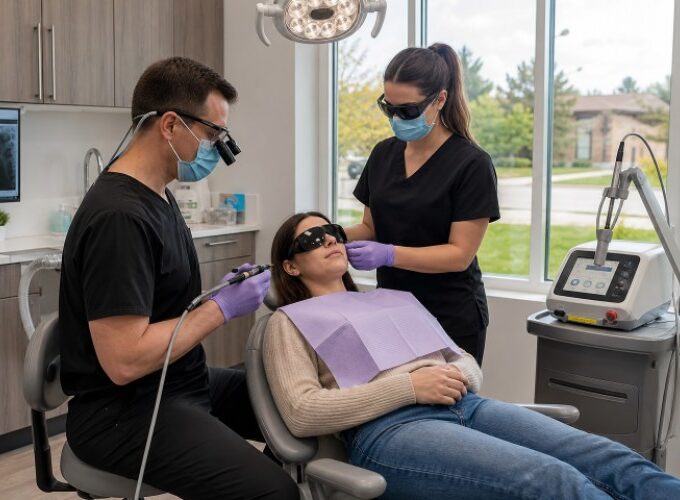
Embarking on a career in dental implantology is both a rewarding and demanding endeavor for new dentists. Success in this field is rooted in a thorough understanding of both clinical techniques and patient-centered care. Resources like the Pikos Institute offer hands-on training opportunities and advanced courses that can help aspiring implantologists refine their skills and build confidence as they begin this professional journey.
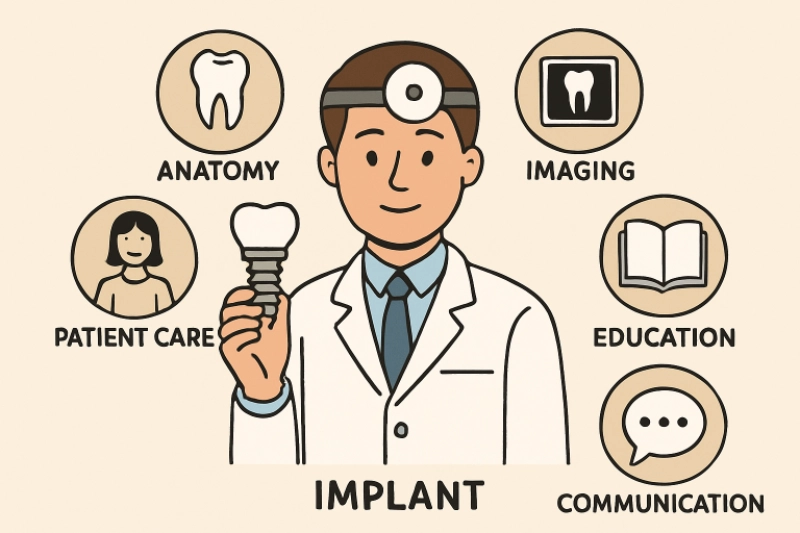
Mastering the placement of dental implants involves much more than just the surgical act. It requires developing an integrated approach that includes anatomy, imaging, prosthetics, communication, and an ongoing commitment to learning. By focusing on key competencies, new dentists can deliver optimal care and enhance patient outcomes.
A successful implant procedure is the culmination of thoughtful planning, precision, and a comprehensive evaluation of each patient’s unique needs. The ability to navigate complex cases, communicate clearly, and uphold the highest ethical standards are qualities that set outstanding implant dentists apart.
Hands-on mentorship and structured educational pathways can bridge the gap between foundational dental education and clinical readiness for implant procedures. Participating in recognized programs not only builds procedural confidence but also nurtures the judgment required for complicated cases.
Comprehensive Knowledge of Oral Anatomy
An in-depth understanding of oral anatomy is fundamental for new dentists who wish to place implants safely. This knowledge encompasses the spatial relationships among bone structures, adjacent teeth, nerves, and blood vessels. Misjudging these intricate anatomical features may increase the risk of nerve damage, sinus perforation, or improper implant stability. Leveraging technology, such as Cone Beam Computed Tomography (CBCT), can help accurately evaluate each patient’s oral anatomy before the surgical procedure. According to the American Dental Association, pre-surgical assessment minimizes risks and supports precise planning for implant positioning.
Proficiency in Advanced Imaging Techniques
Developing proficiency in the use of advanced imaging tools, such as CBCT, greatly enhances diagnostic accuracy. These technologies provide three-dimensional views of bone density, nerve pathways, and other critical structures, making it easier to visualize the optimal placement of implants. Research shows that the use of digital imaging not only elevates the standard of care but has also been linked to higher implant survival rates. Familiarity with imaging software and an ability to interpret results are essential skills for any implant dentist.
Surgical Precision and Technique
Surgical skills are at the heart of implant dentistry. New dentists should prioritize hands-on surgical training, focusing on techniques such as minimally invasive incisions, proper flap management, and atraumatic extraction methods. Careful adherence to evidence-based surgical protocols can achieve implant success rates of 95-98 percent or higher. Mentorships, cadaver labs, and comprehensive courses all contribute to a well-rounded surgical education. Precision and an eye for detail support not only the healing process but also the longevity of the implant itself.
Effective Patient Communication
Effective communication goes hand in hand with clinical competence. Dentists must translate technical jargon into layman’s terms, thoroughly explain implant options, address patient concerns, and set realistic expectations for recovery and long-term care. Transparency and empathetic listening are crucial to building trust and mitigating patient anxiety. In many cases, a well-informed patient is more likely to follow post-operative protocols, contributing to the overall success of the treatment.
Thorough Patient Assessment and Selection
New implant dentists need to become adept at recognizing which patients are suitable candidates for implants. A comprehensive assessment should include evaluating systemic health conditions (such as diabetes or osteoporosis), bone density, oral hygiene, and any ongoing medications. Gauging these elements helps tailor the treatment plan and identify modifications needed to minimize complications. Those who are not suitable candidates for implants should be guided toward alternative restorative options for their oral health needs.
Commitment to Continuous Education
Dental implantology is an evolving specialty, and staying current with developments is vital. Continued education through workshops, webinars, and live surgical demonstrations keeps practitioners up to date on changes in techniques, biomaterials, and patient management approaches. Programs like Implant Pathway and ongoing coursework can expand clinical exposure and skill sets, while also providing opportunities for networking and peer support. Lifelong learning is essential to maintaining excellence in this complex field.
Understanding of Prosthetic Considerations
Successful implant dentistry harmonizes surgical placement with prosthetic restoration. New dentists must become familiar with various abutment systems, crown materials, and occlusal schemes. Understanding factors such as bite force distribution and esthetic demands enables seamless integration of implants into the patient’s overall dentition. Collaboration with dental laboratory technicians and adherence to best practices in impression-taking further contribute to positive outcomes for both function and appearance.
Ethical Practice and Patient-Centered Care
Ethical standards and a focus on patient-centered care are cornerstones of trustworthy dental practice. Dentists should avoid recommending implants when alternatives are more appropriate and should never compromise patient safety for convenience. Transparent case presentations, honest risk discussions, and diligent follow-up appointments foster long-term trust and successful patient relationships. Ethics in dental implantology not only ensures compliance but also promotes quality care and patient loyalty.
Final Thoughts
Dental implants have transformed the landscape of restorative dentistry. For new dentists, the path to mastery is defined by continuous improvement, a deep respect for patient individuality, and diligent clinical preparation. By committing to comprehensive education, clear communication, and ethical responsibility, aspiring implant dentists can provide superior care and lasting results for their patients.