





Key Takeaways
- Understanding your risk tolerance is fundamental to building an effective portfolio.
- Diversification across asset classes is essential for limiting losses during market downturns.
- Regular portfolio rebalancing ensures your goals and risk levels stay aligned.
- Alternative investments and tax efficiency strategies enhance long-term resilience.
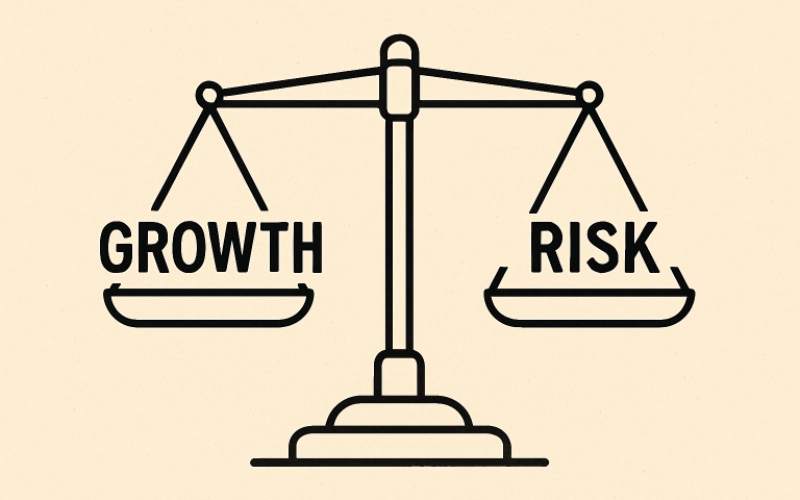
Investing is a delicate balancing act that requires careful consideration of potential growth opportunities alongside the risks inherent in the market. Every investor faces the challenge of determining how much risk they are willing to accept in pursuit of higher returns, while ensuring their portfolio remains resilient against market fluctuations. Understanding the principles of diversification, asset allocation, and risk management is essential to creating a strategy that aligns with both short-term needs and long-term financial objectives.
If you are considering your next financial steps, consulting a Fort Mill financial planner can provide customized insight tailored to your goals. They can help assess your risk tolerance, evaluate your current investment mix, and identify opportunities to optimize growth while minimizing exposure. By blending professional guidance with informed decision-making, investors can develop a balanced approach that supports sustainable progress and financial security over time.
Understanding Your Risk Tolerance
The best place to start when building an investment portfolio is by establishing a clear sense of your risk tolerance. This reflects both your willingness and your ability to handle fluctuations in your investment value. Factors such as age, income, financial obligations, and investment time frame all influence the appropriate level of risk. For instance, a younger investor with decades before retirement may be able to withstand short-term volatility in pursuit of higher long-term growth, while someone closer to retirement might prioritize stability and income to protect their nest egg.
Common approaches to aligning risk with portfolio structure often categorize investors by asset allocation. Aggressive investors may allocate 80% to stocks and 20% to bonds, while a moderate approach often uses a 60/40 split, and conservative investors might favor 40% stocks and 60% bonds. Choosing the right financial advisor can help clarify your personal risk profile and guide the allocation strategy, ensuring your portfolio aligns with your long-term financial objectives and supports informed investment decisions.
Diversification Strategies
An integral component of risk management is building a diversified portfolio. Diversification means spreading your investments across a range of asset classes, sectors, and geographic locations, which protects you from poor performance in any one area. Major asset classes to consider include equities (stocks), fixed income (bonds), real estate, commodities, and cash equivalents. Each class behaves differently in various market conditions, helping your portfolio remain balanced and resilient.
For example, moving beyond solely U.S. large-cap stocks to include international shares, emerging markets, and different sectors (such as technology, healthcare, or consumer staples) can reduce the impact of market-specific downturns. Real estate investments serve as a hedge against inflation, while commodities such as gold may provide important protection when traditional assets underperform. Even adding relatively stable assets, like cash or short-term bonds, helps control overall risk while improving liquidity.
Incorporating Alternative Investments
To further strengthen your portfolio, consider adding alternative investments. These might include real estate, private equity, hedge funds, or commodities. Alternatives often have low correlation with traditional asset classes like stocks and bonds, meaning their values might move differently during periods of market stress. This can help reduce volatility’s impact and provide additional opportunities for returns. However, alternatives often come with unique risks, including reduced liquidity and, at times, greater complexity. Always assess the specifics of any alternative investment and ensure they fit within your risk appetite before making a commitment.
Tax Efficiency Considerations
Even the most well-designed portfolio can lose significant value to taxes if accounts and assets are not structured efficiently. Maximizing the benefits of tax-advantaged accounts, such as IRAs or 401(k)s, can shield high-growth investments from immediate taxation, allowing compounding to work in your favor. At the same time, it is often advisable to keep certain income-generating investments, such as taxable bonds, in accounts where their returns are not heavily taxed. Taking time to understand how gains, dividends, and interest are taxed ensures more of your money stays invested for long-term growth.
The Importance of Regular Rebalancing
Over time, your portfolio’s asset allocation may drift from your intended targets due to uneven market performance. For example, if stocks perform especially well in one year, your stock allocation may rise above your original target, exposing you to unintended risk. Regular rebalancing involves selling assets that have grown above your target allocation and buying those that have lagged behind, realigning your portfolio with your risk profile and investment objectives. Most financial experts recommend rebalancing at least once a year, though some may do it more frequently depending on portfolio complexity. Rebalancing not only keeps your risk level on track but also encourages a disciplined approach of buying low and selling high. Detailed rebalancing strategies can be explored on resources such as Investopedia.
Maintaining a Long-Term Perspective
Finally, patience and discipline are among the most valuable assets an investor can possess. While market downturns can be unsettling, reacting impulsively by abandoning your investment plan may lock in losses and derail your progress. Successful investors view short-term volatility as a normal part of the market cycle and remain focused on their big-picture goals. Regularly reviewing your portfolio, especially when your financial situation or goals change, will help keep your investment strategy relevant and effective.
Conclusion
Balancing growth and risk in your investment portfolio is not a one-size-fits-all process. By understanding your unique risk tolerance, diversifying across asset classes, implementing regular rebalancing, considering alternative investments, optimizing tax strategies, and maintaining a disciplined perspective, you can grow your wealth with confidence and resilience over time.