





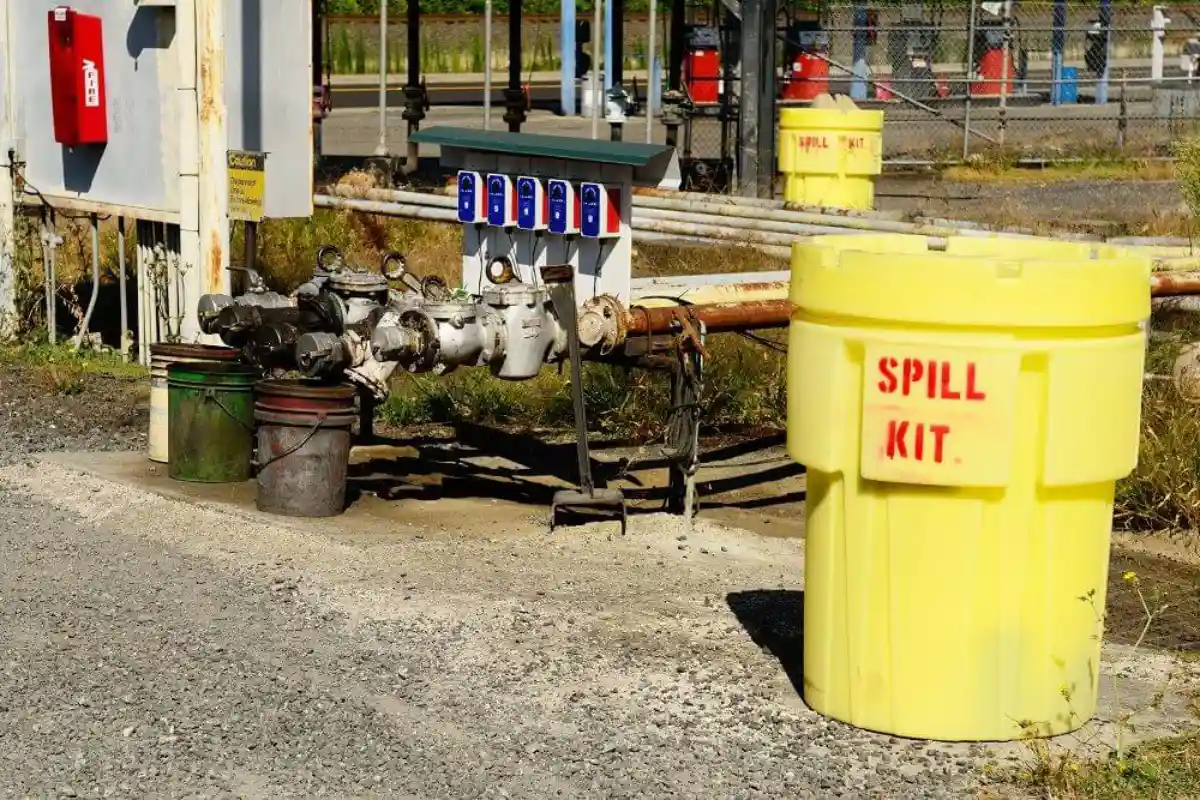
Key Takeaways
- Proactive spill prevention protects employees, the environment, and business operations.
- Comprehensive risk assessments and proper employee training are foundational strategies.
- Clear labeling, regular equipment checks, and a strong safety culture help minimize spill incidents.
- Preparedness, including effective storage and a well-communicated spill response plan, is essential.
Introduction
Spills in the workplace jeopardize employee safety, damage property, disrupt productivity, and can result in severe regulatory penalties. Understanding and implementing preventive measures helps businesses stay compliant, protect their teams, and prevent costly cleanup efforts. Organizations that prioritize proactive solutions are far better equipped to identify issues before they become catastrophic incidents. When rapid intervention becomes necessary, professional emergency spill response services provide critical support to mitigate damage and ensure regulatory compliance.
Spill incidents can affect not only human health but also the broader environment and may result in expensive remediation if not handled immediately. Industries that manage hazardous liquids, chemicals, or oils are under increasing pressure to adopt stringent practices for spill prevention and response, especially as regulations and public expectations evolve.
By building a foundation of workplace awareness, clear protocols, and a culture of ongoing safety, companies can dramatically reduce the risk of workplace spills and related hazards. Education, vigilance, and well-designed systems form the backbone of effective spill prevention strategies.
Conduct Regular Risk Assessments
Identifying potential spill risks is the foundation of an effective prevention program. Regular and thorough risk assessments help businesses identify vulnerable areas—such as transfer stations, storage rooms, or loading docks—where hazardous materials could be released. These assessments enable timely improvements, ensuring that measures can be taken proactively rather than reactively. Incorporating spill risk assessments into routine safety audits fosters continual preparedness and improvement.
How to Conduct an Effective Risk Assessment
Map out the flow of hazardous substances on-site, observe day-to-day practices, and consult with employees for input. Ensure that all control systems—such as secondary containment and safety equipment—are up to date. Document findings and track corrective actions for accountability and ongoing learning.
Implement Proper Storage Solutions
Proper storage is crucial for minimizing the risks associated with spills of hazardous materials. Use containers that match the chemical compatibility of the substances, and regularly inspect for signs of wear or leaks. Secondary containment systems—such as spill pallets, bunded storage, or retention trenches—are essential for capturing leaks that could otherwise lead to widespread contamination.
Additional Storage Tips
- Ensure containers are always closed and clearly labeled.
- Store incompatible materials separately to prevent dangerous reactions.
- Position storage areas away from drains and critical infrastructure to contain possible leaks.
Provide Comprehensive Employee Training
Employees play a key role in preventing and responding to spills. Regular training sessions familiarize staff with correct handling techniques, spill response actions, and proper use of personal protective equipment (PPE). Visual demonstrations and hands-on practice with spill kits and cleanup procedures reinforce readiness in real-world situations.
Training Best Practices
- Provide training for all shifts and new hires.
- Conduct refresher sessions at least annually or after any incident.
- Incorporate scenario-based drills and encourage feedback to improve protocols.
Maintain Clear Labeling and Signage
Proper labeling of containers and hazard zones is essential for preventing accidental spills and exposures. Durable, legible labels should always indicate chemical contents, handling instructions, and key hazard warnings. Complement container labels with visible signage around storage and transfer areas to reinforce safe practices and alert employees to potential risks.
Develop and Communicate Spill Response Plans
Every organization handling hazardous materials should have documented, accessible spill response plans. These plans outline step-by-step procedures for various types of spills, including the proper use of absorbents, neutralization methods, and escalation procedures when professional assistance is required. Regular drills ensure that employees are familiar with their roles and can respond without hesitation in the event of a real emergency.
What a Good Spill Response Plan Should Include
- Contact information for internal and emergency personnel.
- Inventory and location of spill response supplies (including PPE and absorbents).
- Clear communication chain and reporting requirements.
- Monitoring and remediation steps for affected areas.
Conduct Regular Equipment Inspections
Storage containers, transport equipment, and spill control systems should be routinely inspected for integrity and function. Look for signs of corrosion, leaks, or mechanical faults that could lead to failures. Maintaining inspection checklists and repair logs helps track recurring issues and facilitates more informed future planning.
Inspection Frequency
Frequency varies depending on operational risk and regulatory standards, but should be performed at least monthly, with additional checks after incidents or maintenance events.
Foster a Culture of Safety
Safety culture is the collective commitment to risk reduction, accountability, and proactive communication. Open reporting of near-misses, ongoing safety discussions during meetings, and recognition programs for diligent employees all support a work environment that prioritizes safety every day. Leadership should model best practices by actively participating in inspections, training sessions, and open forums about workplace hazards.
Final Thoughts
Preventing workplace spills demands more than simply complying with regulations—it requires continuous risk identification, staff education, proper containment, and preparedness for emergencies. By adopting these best practices, organizations can safeguard their people, protect the environment, and operate with confidence in today’s increasingly complex and demanding regulatory landscape. For businesses facing urgent spill situations, connect with dedicated emergency spill response professionals to restore safety and ensure compliance with regulations.