





Getting braces is a big change, especially at first. You have to rethink how you brush your teeth, what you eat, and even how you talk sometimes. If that feels like a lot, you’re not alone. It’s normal to have questions in the beginning.
In a close-knit town like Hastings, MN, where families tend to stick with the same dental care providers for years, it’s common to hear about someone just starting their braces journey—or finishing one. Whether you’re a teen figuring out how to floss with brackets or a parent trying to help your child adjust, knowing how to care for braces the right way makes everything easier. The habits you build now will help keep your smile healthy the whole way through.
Don’t Skip Appointments
When you’re busy, it might feel easy to push back an orthodontic visit or reschedule it for “next month.” But these appointments are one of the most important parts of your braces journey. Your orthodontist needs to check how your teeth are moving, make adjustments, and look for any issues that might not be obvious to you.
Skipping or delaying appointments can slow down your progress. In some cases, it might even cause setbacks. Loose wires, broken brackets, or slower tooth movement can all add more time to your treatment.
If you’re receiving care from a trusted team like Miller Orthodontics in Hastings, MN, these check-ins are more than just quick visits—they’re a key part of making sure your treatment stays on track. Your orthodontist monitors how your teeth are moving, makes timely adjustments, and spots small issues before they become bigger problems.
If something comes up and you need to reschedule, that’s okay—just don’t put it off for too long. Consistency really does make a difference.
Learn How to Handle Discomfort
When you first get braces—or after an adjustment—it’s normal to feel a little sore. Your teeth are moving, and that can cause some discomfort. The good news? It doesn’t last long, and there are simple ways to ease it.
Try rinsing with warm salt water a couple of times a day. It helps with inflammation and feels soothing. You can also apply orthodontic wax if a bracket or wire is rubbing against your cheek or lip.
If the soreness is stronger than expected, talk to your orthodontist. They might recommend an over-the-counter pain reliever for a day or two. But in most cases, the discomfort fades on its own as your mouth adjusts.
The key is not to panic. It’s part of the process, and it means things are working.
Watch What You Eat
One of the easiest ways to protect your braces is by making smart food choices. Certain foods can cause brackets to break or wires to bend—something you definitely want to avoid.
Here’s a quick list of foods to skip:
- Sticky candy like gum, caramel, or taffy
- Hard snacks like popcorn, nuts, and ice
- Crunchy raw vegetables (unless they’re cut into small pieces)
It’s not about avoiding everything you enjoy. It’s about being careful. For example, if you love apples, just slice them instead of biting straight into them. If you like sandwiches, go for softer bread rather than a crusty roll.
Be Prepared for Minor Issues
Even with great care, small problems can pop up. A wire might poke out, a bracket could come loose, or you might lose a rubber band.
You don’t have to fix everything on your own, but knowing what to do helps you stay calm until you can get to the office.
Here are a few quick tips:
- If a wire is poking, try pushing it down gently with the eraser end of a pencil.
- Use orthodontic wax to cover sharp edges.
- If a bracket comes loose, leave it in place and call your orthodontist.
Keep a small care kit with you if you’re out and about—wax, floss, and a mirror can come in handy.
Keep Your End Goal in Mind
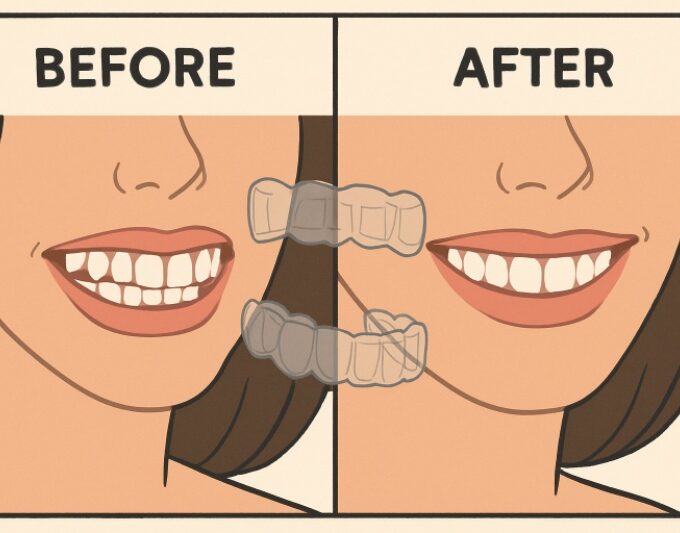
Braces take time. Some days you’ll feel like nothing is happening. Other days, you’ll feel the pressure (literally). But if you stay on track with your care, appointments, and habits, you’ll get there.
It helps to remember why you started. Maybe you want to feel more confident about your smile. Maybe you want to improve your bite or make it easier to clean your teeth in the future. Whatever the reason, your goal is worth it.
Every small step you take—brushing, avoiding sticky foods, showing up to your checkups—moves you closer to that finish line. And when the braces finally come off, you’ll be glad you stuck with it.
Your smile is something you carry with you every day. Taking care of it now is an investment in feeling good, looking good, and staying healthy for years to come.