




Key Takeaways
- ADHD can make it challenging to develop and maintain consistent habits; however, clear strategies can help.
- Small changes, visual reminders, and accountability systems improve long-term habit formation.
- Regular routines support emotional well-being and productivity for people with ADHD.
Why Building Habits Can Be Hard With ADHD
Developing consistent habits can feel overwhelming for many people with ADHD. Challenges often stem from impulsivity and difficulties with executive function, making it hard to plan, organize, and follow through. Everyday distractions—from buzzing phones to unexpected interruptions—can quickly derail good intentions, for individuals seeking personalized guidance or struggling to make meaningful progress, partnering with an ADHD Doctor can provide support, structure, and tailored solutions to address these unique challenges.
Even with strong motivation, maintaining momentum is a common struggle. The brain’s reward system in ADHD operates differently, often leading to a craving for novelty and immediate gratification. This makes routines feel monotonous and goals easy to forget, especially when stress or changes in the environment arise.
Simple Habit Hacks That Actually Work
- Start small: Begin with small, manageable changes—like placing a glass of water on your nightstand to remind you to stay hydrated, or setting out your clothes the night before to encourage getting dressed in the morning. These micro-habits require less effort to initiate and are easier to stick with.
- Stack habits: Attach a new habit to an existing routine. For example, take a few deep breaths after brushing your teeth or review your to-do list right after breakfast. Habit stacking uses the momentum of what you already do to trigger a new action.
- Use timers and alarms: Timers break tasks into manageable chunks. Set a 10-minute timer to start cleaning, or use alarms as reminders throughout the day. This reduces overwhelm and helps keep you focused in the moment.
- Celebrate small wins: Reinforce your progress by recognizing every achievement, no matter how minor. Mark off tasks with a sticker, share your success with a friend, or treat yourself to a favorite activity. These positive experiences fuel ongoing motivation and reinforce the new habit loop..
How Routine Supports Emotional Health
Predictable routines bring much-needed stability to the often fast-paced, unpredictable world of ADHD. Establishing a morning or evening routine can decrease anxiety by reducing the number of daily decisions and distractions. When each step is mapped out—whether that’s setting out breakfast, planning time for movement, or building in short breaks—life becomes easier to manage.
Consistent routines don’t just benefit productivity; they also offer emotional reassurance. Research shows that following set routines can lower stress levels, improve sleep, and support stronger relationships by reducing forgetfulness and unplanned changes. Over time, these routines help create a nurturing environment where growth feels possible and setbacks are less disruptive.
Finding Accountability and Motivation
Accountability is a powerful motivator, especially for people who may feel isolated or overwhelmed by daily demands. Sharing your goal with a friend, a coach, or a family member can provide the encouragement and gentle reminders needed to keep going. Regular check-ins, whether in person, by text, or through a support group, build consistency and momentum. According to Psychology Today, for individuals with attention challenges such as ADHD, accountability can be particularly helpful in staying on track and managing daily tasks effectively. It can also reduce feelings of frustration and prevent minor setbacks from becoming overwhelming. Over time, consistent support helps build confidence and fosters a stronger sense of personal achievement.
- Schedule weekly progress reviews with a supportive friend or partner.
- Join online communities for encouragement and shared experiences.
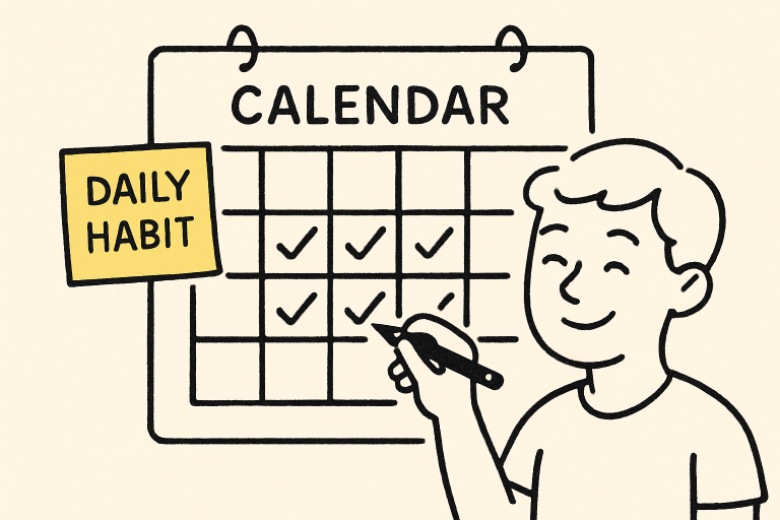
- Use printable progress trackers or digital charts to visualize your progress and success.
The Power Of Visual Reminders
Physical cues are often more effective than digital reminders alone. Strategically placed sticky notes, color-coded calendars, or task checklists on the fridge can dramatically improve follow-through. For children, visual aids like sticker reward charts or illustrated schedules make steps clear and memorable.
Adults can benefit from digital wallpapers, dry-erase boards, or setting reminders in visible, high-traffic areas. Even small changes—like placing shoes by the door the night before—make everyday routines easier to remember and accomplish.
Adapting Strategies for Adults and Kids
Adults
Adults with ADHD often prefer technology-based solutions: calendar apps, appointment notifications, and smart home devices help automate reminders and tasks. Adjusting these tools for preference—such as using large icons, color codes, or customized alert sounds—makes habits more personalized and effective.
Kids
Children thrive on positive feedback and hands-on involvement. Sticker charts, structured routines, and consistent praise for effort—not just results—help reinforce the habit-building process. Tangible rewards paired with clearly defined expectations can make new behaviors stick.
Regardless of age, the most effective strategies are those tailored to individual interests, daily patterns, and support needs.
Building Habits That Last
Building lasting habits with ADHD is undoubtedly challenging, but it is far from impossible. By combining small, manageable changes with structured routines, visual reminders, and consistent accountability, individuals can gradually overcome obstacles and make meaningful progress. Whether through technology, personalized strategies, or supportive networks, these approaches empower both adults and children to create habits that stick. Ultimately, patience, self-compassion, and tailored strategies are key—reminding us that sustainable growth is a journey, not a race.