




Introduction: The Reality of Tattoo Removal
Getting a tattoo is often seen as a permanent decision, but life circumstances change. Whether it’s a name of an ex-partner, a design you’ve outgrown, or simply a tattoo that didn’t turn out as expected, many people find themselves wanting to remove their ink. The good news is that modern technology has made tattoo removal more effective than ever before. However, the question remains: can all tattoos be completely removed?
The answer isn’t as straightforward as you might hope. While advanced laser technology has revolutionized the removal process, several factors determine whether a tattoo can be fully erased from your skin. Understanding these variables will help you set realistic expectations if you’re considering this procedure.
How Laser Tattoo Removal Actually Works
Laser tattoo removal uses concentrated light beams to break down the ink particles embedded in your skin. The laser targets the pigment colors in the tattoo, shattering them into smaller fragments that your body’s immune system can naturally eliminate over time.
Different wavelengths of laser light are used to target different ink colors. This is why the process requires specialized equipment and trained professionals who understand how to adjust the settings for optimal results. The treatment typically requires multiple sessions spaced several weeks apart, allowing your body time to flush out the fragmented ink particles between appointments.
Factors That Affect Complete Removal
Several key factors determine how successfully a tattoo can be removed. The age of the tattoo plays a significant role, with older tattoos generally being easier to remove because the ink has already begun to fade naturally. Professional tattoos tend to be more challenging than amateur ones because they use higher quality ink applied deeper into the skin.
The location of your tattoo also matters considerably. Areas with better blood circulation, such as the arms and legs, respond better to treatment because your body can more efficiently remove the broken-down ink particles. Tattoos on extremities like fingers and feet are notoriously difficult to remove completely.
Your skin type and overall health also influence the outcome. People with lighter skin tones typically see better results, though modern laser technology has improved outcomes for all skin types. A healthy immune system is crucial for processing and eliminating the ink fragments.
The Color Conundrum
Perhaps the most significant factor affecting complete removal is the color of the ink used. Black and dark blue inks are the easiest to remove because they absorb all laser wavelengths. Green, red, and yellow pigments are more stubborn and may require specialized lasers.
Some colors, particularly light blues, greens, and fluorescent inks, can be extremely challenging or even impossible to remove completely with current technology. If you’re consulting with expert tattoo removal Surrey specialists or professionals in any location, they should be honest about the limitations when it comes to certain colors.
White ink and pastel colors present unique challenges because they may actually darken when exposed to laser treatment. This is why a thorough consultation with an experienced practitioner is essential before beginning the removal process.
What to Expect: Realistic Outcomes
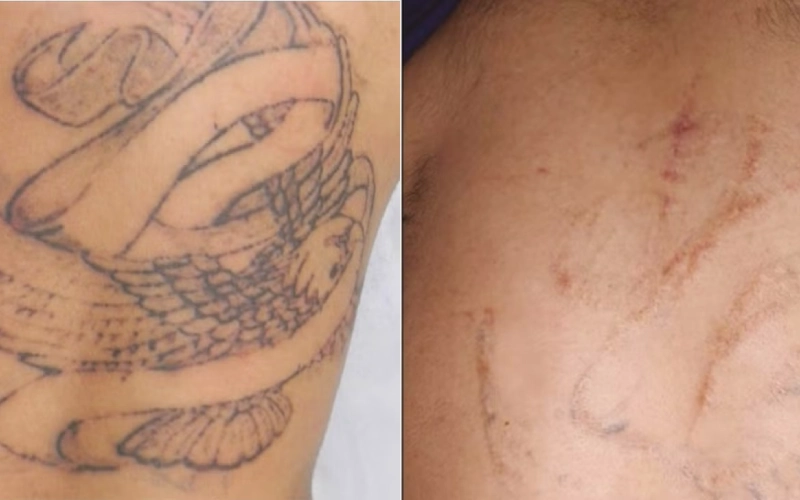
Complete removal is possible for many tattoos, but it’s important to understand that “complete” doesn’t always mean invisible. In some cases, a faint ghost image or slight discoloration may remain even after multiple treatment sessions. This is particularly true for large, colorful, or deeply saturated tattoos.
Most people can expect significant fading, with many achieving 95% or greater clearance. However, this typically requires anywhere from six to twelve sessions, sometimes more for complex pieces. The process demands patience, commitment, and realistic expectations.
Your practitioner should provide an honest assessment during your consultation about what results you can reasonably expect based on your specific tattoo’s characteristics.
Is Scarring a Concern?
When performed correctly by qualified professionals using appropriate equipment, laser tattoo removal should not cause scarring. However, if your tattoo was originally applied too deeply or if you have a tendency to develop keloid scars, there is a risk of scarring regardless of the removal method.
Following aftercare instructions carefully is crucial for minimizing any risk of scarring or complications. This includes keeping the treated area clean, avoiding sun exposure, and not picking at any blistering or scabbing that occurs.
Conclusion: Making an Informed Decision
While not all tattoos can be completely removed without a trace, modern laser technology offers hope for most people seeking to erase unwanted ink. The key to successful removal lies in understanding the limitations, choosing an experienced practitioner, and maintaining realistic expectations throughout the process.
If you’re considering tattoo removal, schedule consultations with qualified professionals who can assess your specific situation and provide honest guidance about the likely outcomes. With patience and proper treatment, you can significantly reduce or eliminate most tattoos, giving you a fresh start.