




Have you ever noticed your home feeling too hot or cold even though your HVAC system is running? That’s a frustrating problem, especially when you’re paying high energy bills without the comfort you expect. Whether you’re living in Des Moines, IA, or anywhere else in the U.S., avoiding simple HVAC mistakes can make a big difference in both comfort and cost. These errors often come from everyday habits or a lack of information and can lead to larger issues down the road.
In this blog, we will share some of the most common HVAC mistakes homeowners make—and how to fix or avoid them.
Skipping Regular Filter Changes
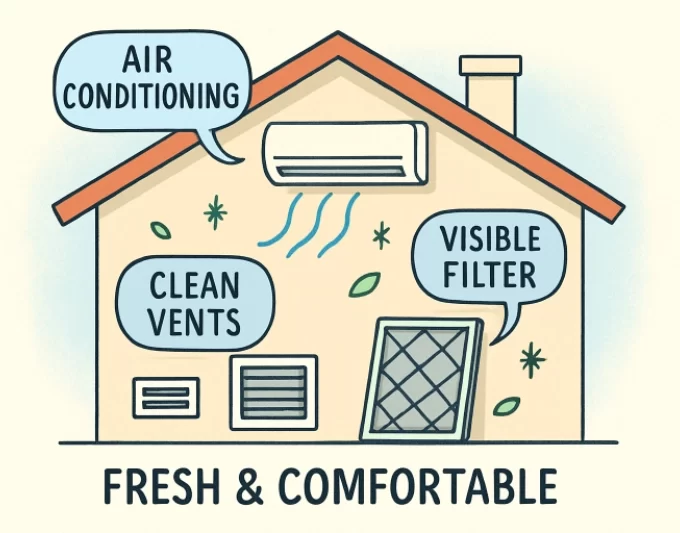
One of the most overlooked HVAC maintenance tasks is changing the air filter. A clogged filter can block airflow, forcing your system to work harder to maintain your desired temperature. This increases energy use and puts extra stress on your HVAC system. Over time, this strain can reduce the system’s life span and lead to costly repairs. Filters should be checked monthly and changed at least every 1 to 3 months, depending on use and the presence of pets or allergies in the home.
If you notice more dust around your home or rooms that seem stuffy, your filter might be overdue for a change. A clean filter improves air quality and keeps your system running smoothly. Ignoring it not only wastes energy but can make your system less effective at cooling or heating your space. Replacing filters is easy and affordable, making it one of the simplest ways to care for your HVAC system.
Ignoring Maintenance Schedules
Another common mistake is neglecting professional HVAC maintenance. Many homeowners assume their system is fine as long as it’s working, but this can lead to hidden issues going unnoticed. A professional inspection can catch small problems before they turn into major repairs. If you’re wondering when to schedule AC maintenance in Des Moines, IA, the best time is during the spring—before you heavily rely on your air conditioning in the summer. Likewise, heating systems should be inspected in early fall. Regular tune-ups keep your HVAC system efficient and safe. They also help extend its life and give you peace of mind during extreme temperatures. Skipping this step might save money now, but it often costs more in the long run.
Blocking Air Vents
Sometimes, in an effort to arrange furniture or decorations, homeowners unintentionally block air vents. This disrupts airflow and forces your HVAC system to work harder than it needs to. Blocked vents can create uneven temperatures throughout your home and strain your system’s components. When airflow is restricted, it affects not just one room but your entire HVAC system’s efficiency.
To avoid this mistake, always check the placement of rugs, furniture, and curtains. Make sure nothing is obstructing your supply and return vents. If a vent must be in a hard-to-reach spot, use vent deflectors to redirect airflow without blocking it. Keeping vents clear not only helps your system perform better but also saves on energy costs by improving circulation throughout your home.
Incorrect Thermostat Settings
Your thermostat plays a key role in how your HVAC system functions. Setting it too high or too low may not make your home more comfortable, but it can drive up your utility bills. Constantly adjusting the temperature can also wear down your system. A common mistake is cranking up the heat or AC, expecting faster results. HVAC systems don’t work that way—they heat or cool at a consistent rate.
Using a programmable thermostat is a smart way to manage your home’s temperature. It helps keep settings consistent, especially when you’re away or asleep. Set it to match your lifestyle and allow the system to work gradually. Avoid frequent manual changes, as they confuse your system and use more energy. Smart thermostats can even learn your habits over time, making it easier to balance comfort and cost.
Closing Off Unused Rooms
Some people believe closing vents or doors in unused rooms will save energy. While it seems logical, this can actually throw your HVAC system off balance. Most systems are designed to heat or cool your entire home, not just parts of it. Blocking off airflow can create pressure imbalances, leading to leaks in ductwork and uneven temperatures in other areas.
Instead of closing vents, consider zoning systems if you’re looking to control temperatures in specific rooms. Zoning gives you more flexibility without harming your HVAC system. It’s also better for air circulation and overall system health. Keeping all vents open, even in rooms you don’t use often, allows your HVAC to function properly and reduces the risk of long-term damage.
Overlooking Insulation and Sealing
Your HVAC system can only do so much if your home isn’t properly insulated. Poor insulation lets warm or cool air escape, making your system work overtime. This not only wastes energy but also leads to higher bills and uneven indoor temperatures. Gaps around doors, windows, and attic spaces are common culprits that let conditioned air leak out.
To avoid this mistake, inspect your home for drafts and seal them with weatherstripping or caulking. Upgrading your insulation, especially in attics and crawl spaces, makes a noticeable difference. A well-insulated home keeps temperatures stable and helps your HVAC system work more efficiently. This is especially important during extreme heat or cold, where energy use can spike quickly if your home isn’t properly sealed.
DIY Repairs Without Proper Knowledge
Trying to fix HVAC issues yourself might seem like a cost-saving idea, but it can backfire. HVAC systems are complex, and without proper training, you could cause more harm than good. Mistakes like overcharging refrigerant, damaging electrical parts, or installing components incorrectly can make your system unsafe and lead to bigger problems.
If your HVAC isn’t working right, it’s better to call a licensed professional. They have the tools and experience to diagnose the issue correctly and fix it safely. While simple maintenance tasks like filter changes are fine to do yourself, more advanced repairs should be left to the experts. Avoiding DIY mistakes not only protects your system but keeps your warranty valid and your family safe.In conclusion, your HVAC system is essential for staying comfortable year-round. The good news is that most HVAC problems can be avoided with simple habits and smart choices. By learning from common mistakes, you can keep your system running longer and more efficiently.