




Key Takeaways
- Multiple heating options are available for rural homes, ranging from technologically advanced heat pumps to traditional biomass and solar thermal solutions.
- Considerations such as land availability, insulation quality, and upfront versus recurring costs can significantly impact which system is best suited for your property.
- Local, state, and federal incentive programs can help offset the costs of specific energy-efficient installations.
Rural living offers numerous rewards—expansive space, tranquility, and a close-knit community—but heating your home efficiently can be challenging, especially when access to natural gas is limited. For homeowners in remote areas, exploring energy-efficient and cost-effective heating alternatives is essential as temperatures drop. For residents seeking traditional options adaptable to rural settings, home heating oil Sullivan County, NY, remains a trusted solution, delivering reliability across diverse rural environments.
As homeowners weigh their heating options, it’s essential to evaluate not only immediate fuel costs but also long-term savings and environmental impacts. Efficient heating is crucial for both comfort and lowering ongoing expenses, so factoring in installation costs, maintenance, and potential energy incentives can help rural families select a system that supports comfortable, sustainable living.
Heat Pumps: Harnessing Ambient Energy
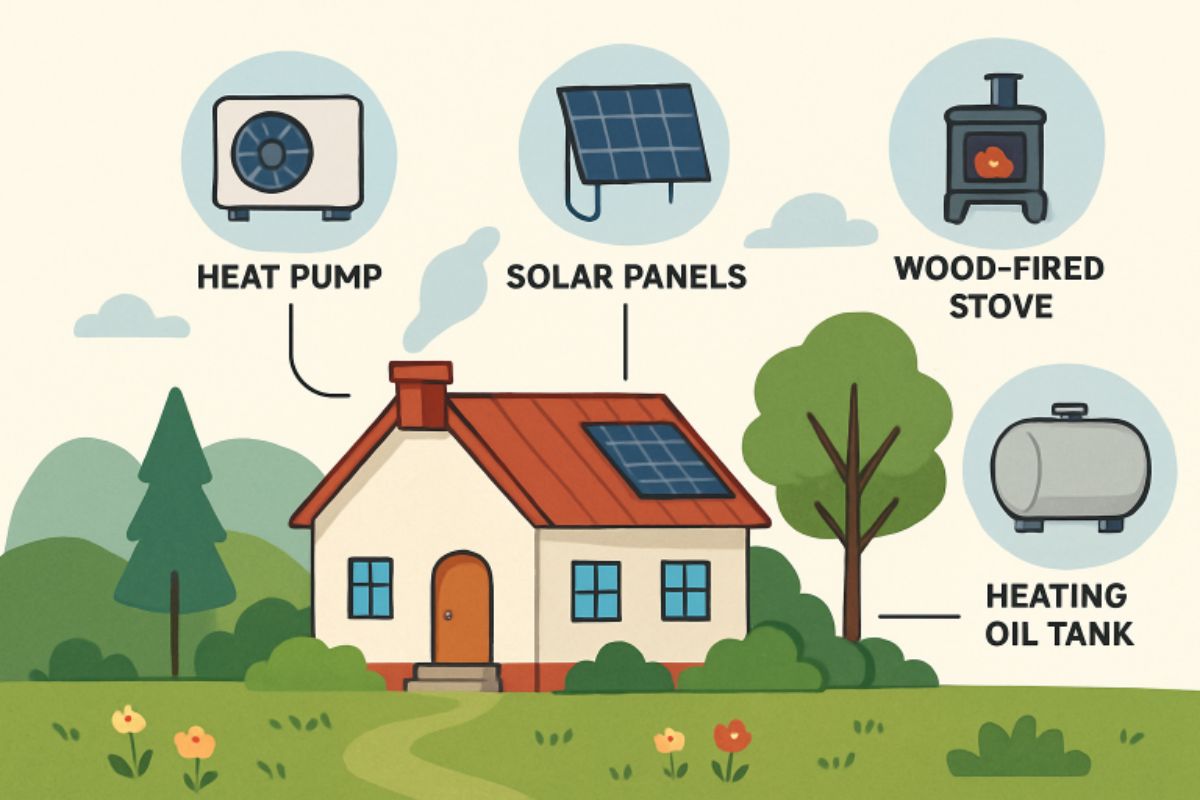
Heat pumps are surging in popularity among rural homeowners due to their energy-efficient approach to climate control. By extracting heat from either outdoor air or the underground, heat pumps provide powerful year-round heating—and often cooling—while substantially reducing electricity use compared to conventional systems.
Air Source Heat Pumps (ASHPs)
Air Source Heat Pumps, or ASHPs, draw warmth from outdoor air—even in temperatures below freezing—and channel it inside. These systems are relatively straightforward to install, generally more affordable than alternatives, and deliver strong performance in energy-conscious, well-insulated homes. In harsh winter climates, though, ASHPs may benefit from a secondary heat source to maintain consistent warmth on the coldest days. Routine maintenance is minimal, which appeals to many rural homeowners who value convenience.
Ground Source Heat Pumps (GSHPs)
Ground Source Heat Pumps, known as GSHPs, tap into the earth’s steady below-ground temperatures. While installation is more complex due to required ground loop systems, GSHPs produce even greater energy savings over the long term and can be ideal for larger rural lots. Due to their high upfront cost, many homeowners rely on government incentives to make this option more affordable. Over time, these pumps offer some of the lowest operating costs—and the highest efficiency—of all heating systems available.
Biomass Heating Systems: Sustainable and Reliable
Biomass heating leverages renewable, locally sourced organic fuel, such as wood pellets, chips, or logs. These systems effectively utilize the abundant natural resources typical of many rural areas, and modern biomass boilers now achieve efficiencies comparable to those of traditional fossil fuel systems.
Wood-Fired Boilers
Wood-fired boilers supply whole-house heating and hot water, integrating with standard central heating infrastructure. While they require more storage for fuels and generate ash that requires periodic cleaning, today’s designs minimize these chores and achieve strong energy ratings. The environmental impact can be favorable, particularly if the fuel is generated sustainably and used in highly efficient equipment.
Pellet Stoves
Pellet stoves operate efficiently as room heaters or in smaller residences. Pellets are made from compressed sawdust, a renewable byproduct, which means these stoves both minimize waste and minimize emissions compared to open fireplaces. They’re easy to use and require only occasional maintenance. Accessibility to a reliable pellet supplier and ensuring adequate ventilation are the primary operational considerations.
Solar Thermal Systems: Harnessing the Sun’s Energy
Solar thermal systems capture energy from sunlight using panels, usually installed on rooftops, to heat water or supplement home heating. Although solar thermal doesn’t typically cover all heating needs during winter’s darkest months, it can substantially reduce hot water costs year-round and supports sustainable living goals favored in many rural communities. According to the U.S. Department of Energy, solar heating systems are among several efficient home heating options that can be tailored to suit different climates and budgets.
Solar systems often pair well with other heating methods, enhancing system reliability through the entire year. Their green reputation can contribute to higher property values, making them more appealing to future buyers who prioritize environmental responsibility. The initial installation can be costly, but federal and local incentives may drastically reduce the payback period.
Government Incentives and Grants
Many rural homeowners can take advantage of comprehensive government programs designed to boost energy efficiency and promote the adoption of renewable heating sources. In the United States, initiatives provide direct aid for the installation of heat pumps and biomass systems. For example, Maine’s $10 million federal grant exemplifies how targeted incentives can support both home upgrades and workforce development in rural communities. Bursting energy costs and a changing climate make government support more valuable than ever—review the latest incentives and eligibility requirements to maximize savings.
Conclusion
Choosing the right heating system for your rural home requires careful consideration of fuel types, system costs, ongoing maintenance, and both financial and environmental impacts. Whether you prioritize tradition with systems like home heating oil or embrace renewable energy options such as heat pumps, solar thermal, or biomass boilers, today’s market offers choices that suit every rural lifestyle. Take advantage of available incentives to make upgrades more affordable and explore external resources for the latest in energy-saving innovation. Ultimately, thoughtful planning and strategic investment can enable rural homeowners to enjoy both comfort and cost savings for years to come.