




Table of Contents
- Regular Oil Changes
- Tire Maintenance
- Brake System Checks
- Fluid Level Inspections
- Air Filter Replacement
- Battery Care
- Belt and Hose Inspections
- Windshield Wiper Maintenance
- Keeping Your Car Clean
- Regular Professional Inspections
- Conclusion
Keeping your vehicle in top condition requires consistent attention to essential maintenance tasks. Regular care not only extends your car’s lifespan but also ensures it performs reliably and safely on the road. From monitoring fluid levels and tire pressure to checking brakes and filters, routine inspections help identify potential issues before they become costly problems. Understanding these basic maintenance practices empowers car owners to make informed decisions about their vehicle’s health and performance.
Even with careful upkeep, vehicles sometimes require professional attention, and timely auto repair is crucial for maintaining smooth operation. Addressing minor issues promptly can prevent more significant damage and keep your car running efficiently. By combining preventive maintenance with reliable repair services when needed, drivers can enjoy peace of mind, improved safety, and consistent performance throughout their vehicle’s life.
Regular Oil Changes
Engine oil is the lifeblood of your vehicle, safeguarding all moving parts from friction while maintaining optimal operating temperature. Most manufacturers recommend an oil change every 5,000 to 7,500 miles, but this interval can vary depending on driving conditions and the type of oil used. Always refer to your owner’s manual, as using the wrong schedule can shorten your engine’s lifespan. Consistent oil changes are a key defense against engine wear, severe damage, and costly repairs.
Tire Maintenance
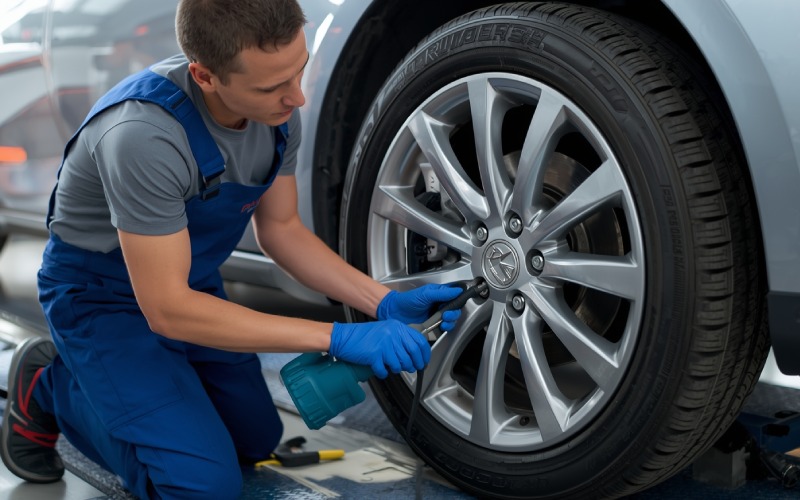
Good tire health is crucial for both safety and efficiency on the road. You should check tire pressure once a month, especially before long drives, to ensure it matches the vehicle manufacturer’s recommendations. Tread depth can easily be checked — the “penny test” is a reliable method: insert a penny with Lincoln’s head facing down. If you can see the top of his head, your tires need replacing. Regular visits to a trusted auto repair shop can help with tire rotation, typically every 5,000 to 8,000 miles, to promote even wear and extend tire life.
Brake System Checks
Your brakes are the most important safety feature on your car. Squealing, grinding, or a soft pedal are all signals that something may be amiss, often indicating worn brake pads or low fluid levels. Annual brake check-ups are recommended even if your car seems to be braking well. Qualified technicians can diagnose and resolve hidden problems before they escalate. Staying ahead of brake maintenance aids overall road safety and helps avoid extensive repairs.
Fluid Level Inspections
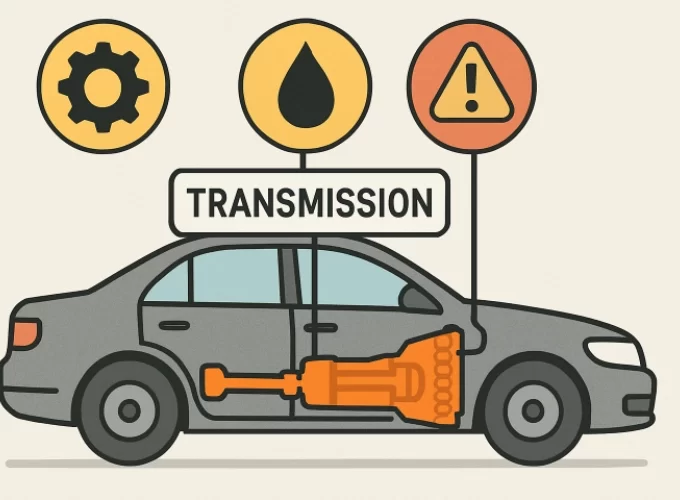
Modern cars require several critical fluids: engine oil, coolant, brake fluid, power steering fluid, and transmission fluid, all of which help maintain smooth operation. Low or contaminated fluids can lead to overheating, poor performance, or even catastrophic failure. Make it a monthly habit to check these levels and top up according to your car’s specifications. In addition, be sure to have your fluids flushed and replaced at recommended intervals for best results.
Air Filter Replacement
The engine air filter prevents dust, pollen, and debris from entering the engine and compromising fuel combustion. Replacing it every 12,000 to 15,000 miles, or sooner in dusty conditions, helps your engine breathe easy and improves fuel efficiency. A clogged air filter makes your engine work harder, reducing performance and mileage. Newer filters are often easy to access and update yourself, with simple tutorials available online.
Battery Care
Your vehicle battery supplies the necessary power to start the engine and keep electronics running. Most last about 3 to 5 years, but extreme temperatures and short trips can shorten this lifespan. Inspect the terminals regularly for signs of corrosion and make sure connections remain tight. Testing your battery’s charge once a year is recommended, especially if it is older or you notice slower starts during cold weather.
Belt and Hose Inspections
Belt and hose failures are a common cause of vehicle breakdowns. Belts drive components like the alternator and water pump, while hoses carry fluids that cool and lubricate the engine. Inspect these parts twice yearly for cracks, fraying, or leakage, and replace them at the first sign of wear. Waiting until they fail can lead to costly towing and repairs, so prevention is always better than cure.
Windshield Wiper Maintenance
Good visibility is key to safe driving in rainy or snowy weather. Replace your windshield wipers about every 6 to 12 months, or if you notice streaking, skipping, or squeaking. Don’t forget to keep your windshield washer fluid topped up, especially ahead of wet seasons. Regularly checking the wipers will ensure you catch every detail on the road, regardless of weather conditions.
Keeping Your Car Clean
Frequent washing removes road salt, dirt, and chemicals that can cause rust or paint damage, especially in winter. Wax your vehicle every few months for an extra layer of protection and sheen. The interior matters too: vacuum carpets, clean spills quickly, and wipe down surfaces to prevent stains and odors. A clean car maintains its value better and can be a source of pride for any owner.
Regular Professional Inspections
While many owners can handle basic maintenance, professional inspections remain invaluable. Expert mechanics are trained to identify hidden problems that could worsen over time, even if no warning lights have appeared. Scheduling an annual inspection and following your car manufacturer’s recommended service schedule ensures you do not miss any critical maintenance milestones. This approach keeps your vehicle running smoothly for years, minimizes downtime, and helps preserve your investment in the long run.
Conclusion
Consistent maintenance promotes a long, reliable service life and protects the investment you have made in your vehicle. By following these car care tips, not only do you improve safety and performance, but you also gain confidence and peace of mind each time you set out on the road.