




Key Takeaways
- Cutting-edge dental technologies enable precise, comfortable bite correction and diagnosis, minimizing unnecessary interventions and discomfort.
- Non-invasive, patient-friendly treatments can now address bite issues that once required highly complex or surgical procedures.
- Long-term bite health requires a commitment to diligent home care and ongoing professional monitoring to catch issues before they become severe.
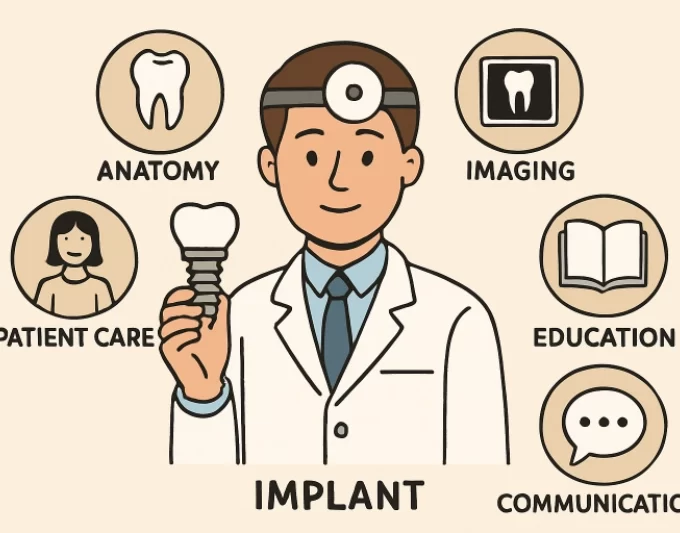
Achieving an optimally aligned bite is essential not only for outstanding oral health but also for overall physical well-being. An improperly aligned bite, often called a malocclusion, can affect everything from chewing and speech to jaw comfort and even posture. Over time, advances in dental technology have completely transformed how dental professionals approach bite correction. These newer methods offer greater precision and comfort while reducing treatment time compared to older approaches. Today, from innovative digital diagnostics to leading-edge treatment solutions, modern dentistry provides a wide array of options for those eager to improve their bite. Techniques like All-on-4 implants demonstrate the impressive potential of these advances, showing how they can both restore function and renew confidence in your smile.
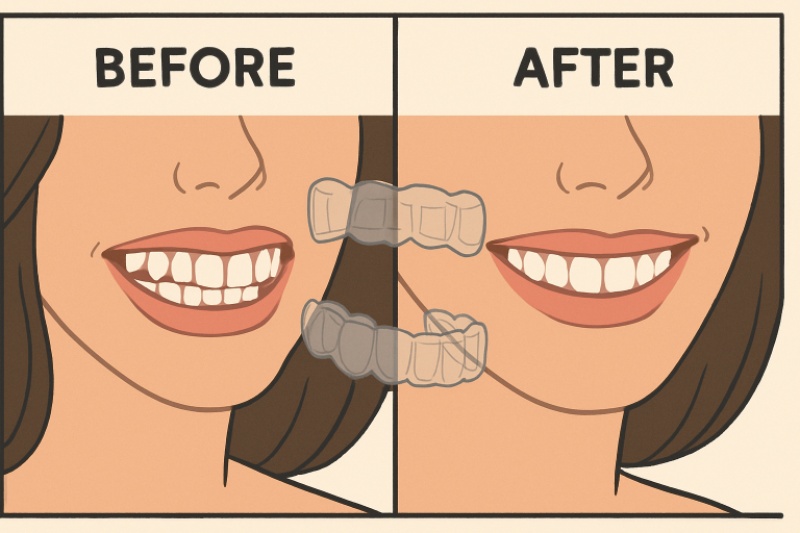
New solutions for bite misalignment are transforming treatment experiences. Unlike traditional methods like braces or surgery, which can be uncomfortable and time-consuming, modern treatments emphasize patient comfort and deliver quick, precise results. This evolution enhances not only bite functionality but also overall appearance and quality of life. Ongoing advancements in this field are providing more patients with safe and effective solutions for achieving a healthier bite and a confident smile.
Digital Bite Analysis: Precision in Diagnosis
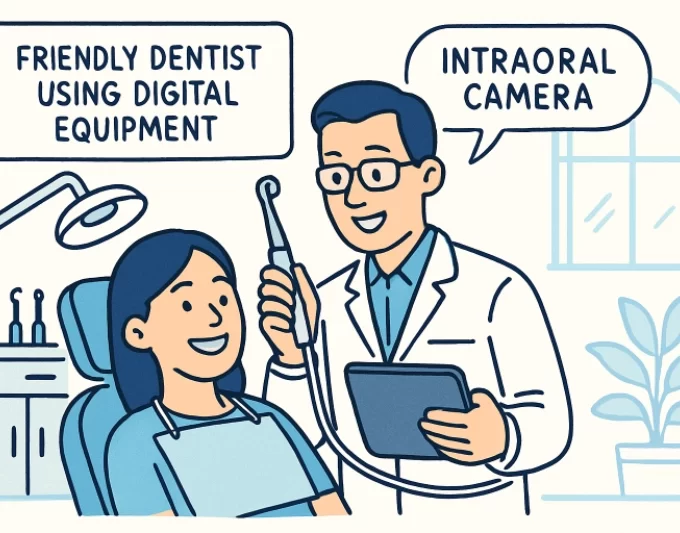
Every successful bite correction journey must begin with an accurate, comprehensive diagnosis. Traditional diagnostic tools often relied on physical impressions or visual observation, which could miss subtle yet impactful bite irregularities. Digital bite analysis now enables dental professionals to use sophisticated tools that accurately measure the force, timing, and distribution of tooth-to-tooth contacts. Devices such as the T-Scan system digitally record every point of contact between upper and lower teeth as you bite, providing a rich, detailed depiction of your occlusion patterns. This level of insight enables dentists to pinpoint imbalances responsible for jaw discomfort, uneven tooth wear, or even headaches. With this precise diagnostic data, a truly customized treatment plan can be developed, often helping prevent progression to more severe bite-related complications. For further insight, the American Dental Association provides additional information on bite analysis and the value of dental technology advancements.
3D-Printed Bite Splints: Comfort and Precision
Alongside advanced diagnostics, technological breakthroughs have revolutionized bite splint therapy. Instead of relying on traditional, sometimes uncomfortable methods of molding splints, today’s dentists utilize digital scanning and 3D printing to achieve a perfect fit. A digital scan of your mouth provides the blueprint for your bite splint, which can then be printed with exceptional precision to match your dental anatomy exactly. These custom splints offer superior comfort, with minimal need for adjustment, reducing the likelihood of sore spots or jaw fatigue. As each splint is based on digital data, it can be easily modified or reproduced if changes are required during or after treatment. This level of personalization enhances treatment outcomes and boosts patients’ confidence, knowing that their therapy is tailored to their needs. With such innovations, bite splint therapy is now more accessible, effective, and patient-friendly than ever before.
Non-Surgical Open Bite Correction
Recent innovations have enabled dental professionals to correct certain types of open bites without invasive surgical procedures. Techniques like Face Lift Dentistry® are at the forefront of this evolution, enabling dentists to resolve open bite issues quickly and less invasively. Unlike conventional interventions, which may require braces or jaw surgery and could take many months or even years, these advanced methods deliver results in as little as eight days. Patients not only see an improvement in how their teeth come together but also benefit from boosted facial aesthetics, increased comfort, and restored oral function. By avoiding surgery, patients are less likely to experience post-operative discomfort, prolonged recovery times, or complications. These emerging modalities are changing the landscape for individuals who previously faced long, arduous correction journeys, offering faster, safer, and more satisfying outcomes.
Functional Orthodontic Appliances
Functional orthodontic appliances provide a modern, non-surgical method for correcting bite misalignments in children and adolescents. Unlike traditional braces that primarily shift teeth, these devices utilize the body’s growth and muscle forces to realign the jaw. Examples include twin blocks and functional trainers, which guide jaw alignment during growth, potentially preventing future complications and surgeries. This approach can also enhance facial symmetry and profile while being less intrusive and more comfortable than fixed braces, making it a more appealing option for younger patients. For further reading on the role of orthodontic appliances in healthy bite development, the Mayo Clinic’s overview of orthodontics is highly informative.
Maintaining Your Perfect Bite
Once you’ve achieved your desired bite with advanced options, consistent maintenance is critical for long-term success. Excellent at-home oral hygiene, including brushing at least twice a day and flossing daily, helps stabilize your bite by preventing cavities and gum disease that may cause teeth to shift. Routine professional check-ups, generally recommended every six months, enable your dentist to monitor your bite’s stability, identify early signs of relapse, and address complications before they worsen. In some cases, your dentist may recommend night guards or custom bite splints to prevent nighttime teeth grinding or jaw clenching, which can otherwise undermine bite correction efforts. Healthy lifestyle choices, like minimizing high-sugar foods, avoiding nail-biting, or breaking the habit of chewing on objects, can also help maintain your results.
Conclusion
Modern dental innovations have truly revolutionized the approach to bite correction, enabling more people to enjoy precise, comfortable, and non-invasive solutions. These advances provide highly personalized care, whether you need to address a mild misalignment or a complex occlusal challenge. By combining the latest technologies with diligent at-home and professional maintenance, you can achieve and maintain a healthier bite, a more radiant smile, and improved whole-body wellness. As the field continues to advance, even more options will become available, making it easier than ever to achieve lifelong oral and systemic health.