




Table of Contents
- AI in Dental Diagnostics
- Teledentistry: Expanding Access
- 3D Printing in Dentistry
- Intraoral Cameras: Enhancing Visualization
- CAD/CAM Technology for Same-Day Restorations
- Cloud-Based EHR and Care Coordination
- Smart Dental Tools: Improving Precision
- Electronic Health Monitoring for Personalized Care
- Final Thoughts
In recent years, innovation in dental technology has dramatically transformed patient care and practice efficiency. From the use of artificial intelligence for diagnostics to advanced 3D printing solutions and cloud-based electronic health records, modern dental offices are continually evolving. These advancements help improve outcomes, reduce appointment times, and increase patient comfort. If you are seeking modern treatments and compassionate care, finding the best dentist who leverages the latest technology can elevate your oral health experience. With new tools and techniques changing the face of dentistry, both patients and practitioners enjoy streamlined, efficient visits and highly personalized care.
Details like same-day dental restorations, remote consultations, and smart dental tools not only support practitioners but also empower patients to be more engaged in their oral health. For individuals who have avoided the dentist in the past due to anxiety or accessibility barriers, these innovations can make a significant, positive difference. Dental technology is not just about gadgets; it is fundamentally reshaping the patient experience, enabling earlier detection, remote care, and customized solutions for every smile.
AI in Dental Diagnostics
Artificial intelligence has brought a new level of precision to dental diagnostics, supporting clinicians as a second set of eyes. AI-powered imaging software analyzes dental X-rays and scans, identifying cavities, early signs of gum disease, or even bone loss with greater accuracy than ever before. This reduces the chance of missed diagnoses and streamlines the treatment planning process. Dentists can spend more time discussing treatment choices with patients, while AI works in the background to catch subtle details that might otherwise go unnoticed. According to a Forbes article, AI-driven software is already boosting diagnostic confidence and outcomes for many dental practices.
Teledentistry: Expanding Access
Teledentistry has emerged as a game-changer, especially for underserved populations or those in remote regions. Secure online platforms enable patients to consult with dental professionals from the comfort of home, receive visual oral health assessments, and access personalized advice without commuting to an office. This saves time and can encourage patients to seek advice sooner, preventing minor concerns from becoming major smile problems. The COVID-19 pandemic accelerated the adoption of teledentistry, and patients now benefit from more frequent touchpoints with their dentist for follow-ups and consultations.
3D Printing in Dentistry
3D printing technology has revolutionized restorative dentistry by offering unmatched precision and speed. Dental teams can now fabricate crowns, inlays, dentures, and even surgical guides in-house, significantly reducing patient wait times. For instance, custom dental appliances that may have taken weeks to create can now be delivered the same day. Patients experience quicker recoveries, and practices can reduce their reliance on external dental labs, streamlining workflows and increasing quality control.
Intraoral Cameras: Enhancing Visualization
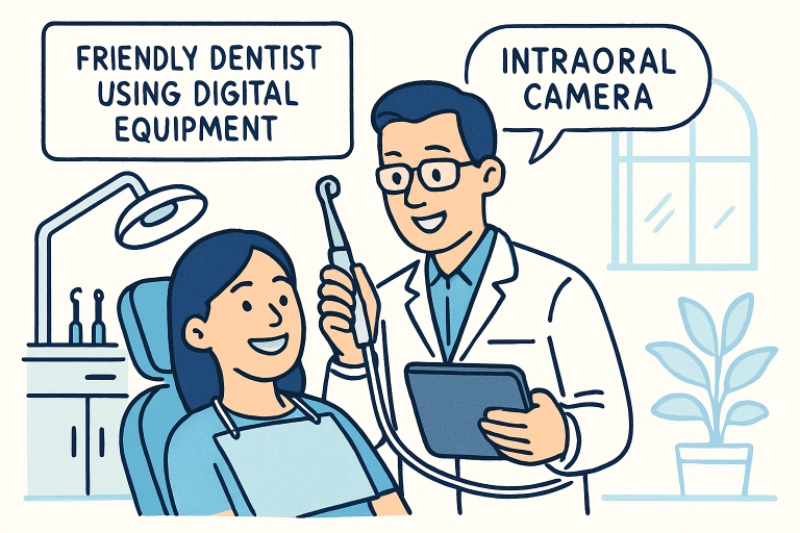
One of the most impactful improvements in patient education is the use of intraoral cameras. These small, high-resolution devices offer a dentist ‘s-eye view of your mouth, captured in real-time. By showing patients detailed images of their teeth and gums, dentists can better explain concerns, recommend treatment plans, and help individuals see issues such as plaque buildup or early decay. Patients who understand their oral health needs are more likely to comply with treatment and adopt preventive measures.
CAD/CAM Technology for Same-Day Restorations
Computer-Aided Design (CAD) and Computer-Aided Manufacturing (CAM) technology lets dental professionals design and produce crowns, veneers, inlays, and onlays in just one visit. This efficient system reduces inconvenience and enhances satisfaction for patients who once had to wear temporary restorations and return for multiple appointments. Thanks to digital impressions and precision milling, these restorations provide a stunning fit and natural appearance, often delivered within hours of an initial consultation.
Cloud-Based EHR and Care Coordination
Digital transformation in dental care includes robust, cloud-based electronic health records (EHRs). These centralized systems enable seamless collaboration between dental and medical providers, promote comprehensive patient care, and make documentation more accessible. Cloud EHRs help prevent redundant procedures, ensure each provider stays up to date on a patient’s history, and support coordinated treatment plans, which are especially crucial for those managing complex health conditions or visiting multiple providers. Efficient data management is not only a time-saver but also enhances privacy and security compliance.
Smart Dental Tools: Improving Precision
Innovative dental instruments equipped with sensors and connectivity features allow for more accurate, comfortable treatments. Smart tools can provide real-time feedback to dentists, improving the precision of procedures like fillings, root canals, and cleanings. These advances not only minimize patient discomfort but also help practitioners avoid complications, resulting in shorter procedures and faster healing. Improved precision ultimately leads to higher patient satisfaction and better oral health outcomes.
Electronic Health Monitoring for Personalized Care
Continual monitoring of oral health markers through digital health tools enables a preventative, rather than reactive, approach to dentistry. Wearable devices, smart toothbrushes, and connected health apps can track oral hygiene routines, detect early warning signs such as bleeding gums, and share this data with your dentist. Such information enables dental professionals to provide tailored advice and timely interventions, thereby enhancing disease prevention and long-term care planning. Personalization reinforces the ongoing commitment to oral health between regular appointments.
Final Thoughts
In summary, the integration of advanced dental technologies is revolutionizing patient care by making treatments more accessible, precise, and personalized. From AI-backed diagnostics to teledentistry and 3D-printed solutions, these tools not only benefit dentists but also place patients at the center of their health journey. As the industry continues to innovate, working with technology-forward dental professionals remains essential for ensuring the best possible outcomes for every smile.