


Key Takeaways:
- Consumers are increasingly prioritizing sustainability in their fashion choices.
- Brands are adopting eco-friendly materials and ethical practices to meet demand.
- Technological innovations are enhancing transparency and reducing waste.
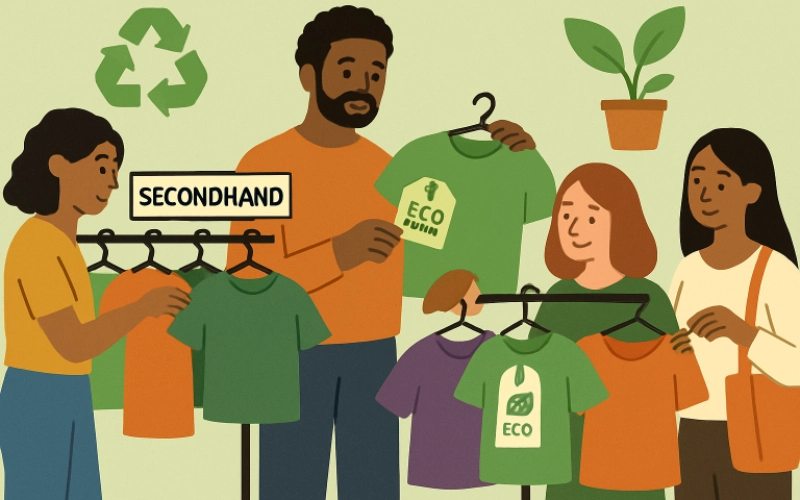
- Secondhand and rental markets are expanding, promoting circular fashion.
- Regulatory changes are pushing the industry towards more sustainable practices.
Introduction
The year 2025 marks a pivotal moment for the fashion industry. A growing number of shoppers are leveraging their purchasing power not only to make a style statement but also to support brands that are committed to sustainability and ethical practices. The idea of eco-friendly fashion has moved from a niche concept to a top priority for both brands and consumers, signaling a long-term shift in how fashion operates.
Modern consumers want to know more about how their clothes are made, where materials are sourced, and what impact their choices have on the world. This shift in priorities has placed pressure on brands to innovate and adapt by embracing more responsible business models. As the industry evolves, so do expectations around transparency, accountability, and impact, shaping the clothing landscape for years to come.
The drive towards sustainability is not just a trend. It reflects a broader change in societal values, as people worldwide recognize the urgent need to reduce fashion’s carbon footprint and support ethical practices. Major players and startups alike are answering the call, integrating environmental responsibility into their core identities.
As this momentum continues, regulators, investors, and even designers are factoring ecological impact into decisions about what gets made, sold, and worn. This collective action is reimagining what it means to be fashionable while prioritizing a healthier, more just planet for all.
Consumer Demand for Sustainability
The influence of consumers has never been more apparent. According to recent surveys, more than two-thirds of shoppers are seeking fashion options from brands that align with their values on climate action and social responsibility. Around 44% are willing to spend more on sustainable garments, a figure that rises to a striking 85% among Gen Z, who consistently research a brand’s ethics before making a purchase. These shifts highlight the growing power of conscious purchasing and the essential role of eco-conscious consumers in reshaping the industry. Larger media outlets such as CNBC have noted this shift, reporting a tangible uptick in consumer-driven sustainability efforts in retail spaces.
Brands Embracing Eco-Friendly Practices
Brands are rapidly evolving to meet the new demand for ethical and transparent fashion. Companies like Everlane and Patagonia have become known for their honest supply chains, integrating sustainable materials such as organic cotton and recycled polyester in their collections. These brands are leading by example, not only by offering greener products but also by setting clear labor standards and reducing carbon emissions across their production processes. This approach is influencing the broader market, with both luxury and mainstream retailers following suit.
The Role of Transparency and Accountability
Transparency has become a non-negotiable part of sustainability in fashion. Many companies are now publishing supply chain data, partnering with independent auditors, and introducing public sustainability targets. This shift is giving consumers confidence that their choices are making a positive impact and fostering healthy competition among brands. As noted by Vogue, clear communication about company practices is now essential for brand loyalty.
Technological Innovations Enhancing Transparency
Technology is accelerating the transformation, giving rise to new solutions for old problems. Blockchain technology is helping brands create verifiable, transparent records at every stage of a garment’s life, making it easy for shoppers to trace an item from raw materials to the finished product. Artificial intelligence and machine learning are also improving forecasting and inventory management, significantly reducing the waste that once defined the fast fashion model. In addition, digital platforms are enabling brands and suppliers to securely share data, driving innovation in sustainable sourcing and production.
Growth of Secondhand and Rental Markets
The rapid rise of secondhand and rental fashion is promoting the idea of circularity, where clothing is designed to be reused, repaired, or recycled rather than discarded. Marketplace platforms like ThredUp and Depop are fueling this change, providing digital infrastructure for people to buy, sell, and swap garments. This sector is expected to reach $350 billion globally by 2027, helping to keep millions of items out of landfills. Rental services are also gaining mainstream popularity, offering consumers a flexible way to refresh their wardrobes while reducing the environmental impact of new production.
Regulatory Changes Driving Sustainability
Government intervention is playing a key role in incentivizing sustainable practices. Europe’s Ecodesign for Sustainable Products Regulation, introduced in 2024, is a centerpiece of this movement. The legislation mandates that products meet strict ecological standards, encourages circularity through digital product passports, and bans the destruction of unsold clothing by 2026. Similar laws are being discussed in North America and Asia, further encouraging brands to make cleaner choices and invest in longer-lasting, eco-friendlier products. Outlets like The New York Times have highlighted how regulatory measures are shaping the future of sustainable fashion worldwide.
Challenges and Future Outlook
Despite tremendous progress, systemic challenges remain. Brands and consumers continue to grapple with greenwashing, in which misleading marketing claims can obscure the products’ actual impact. Affordability is also a concern, as sustainable clothing still carries a premium for many shoppers. The road ahead will depend on greater collaboration between brands, consumers, and governing bodies, as well as continued investment in sustainable innovation and education. Only then can a truly equitable and environmentally conscious fashion ecosystem flourish for all.
Conclusion
The fashion industry’s transformation in 2025 is profound and far-reaching. Sustainability is not simply an add-on or a trend, but a defining force shaping everything from materials and production methods to consumer habits and regulatory requirements. By prioritizing ethical standards and innovative solutions, the industry can balance profit with planet and make eco-friendly fashion the norm for generations to come.