



Key Takeaways
- The cost of septic system installation varies widely based on several crucial factors.
- Understanding property-specific needs, choosing the correct system, and planning for long-term maintenance are essential in budgeting.
- Consulting with local professionals and researching regulatory requirements can help prevent costly surprises.
Installing a new septic system is one of the biggest decisions for homeowners living outside municipal sewer areas. Various factors can significantly influence the cost and complexity of your septic tank installation, making it essential to be fully informed before starting the project. Understanding these cost drivers helps set realistic expectations and ensures you comply with all legal and environmental standards.
Each aspect, from your property’s unique shape and soil to the permits required by your local government, can add or subtract from the bottom line. Preparing for the visible and less obvious expenses can spare you frustration and unplanned outlays down the road.
Installing a septic system is a multi-faceted process influenced by your property’s distinct characteristics, local regulations, system selection, and ongoing care requirements. By thoroughly understanding these factors and preparing for current and future costs, you can invest in your property’s value and livability. Whenever possible, seek advice from local experts and compare quotes from multiple providers to ensure your system fits your needs while remaining within budget.
Property Size and Layout
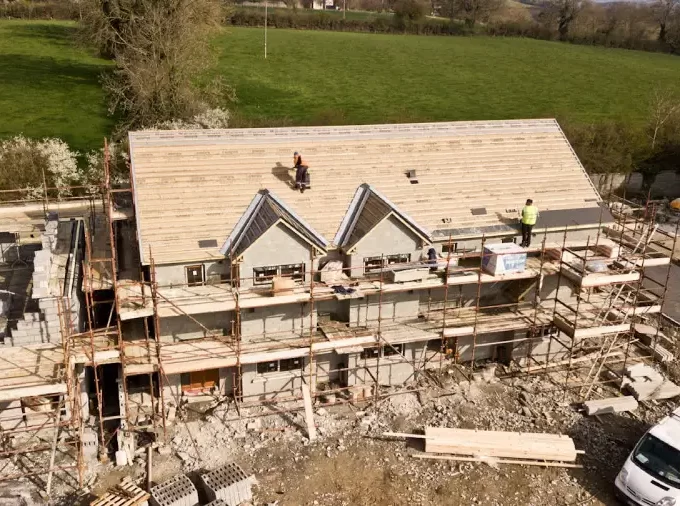
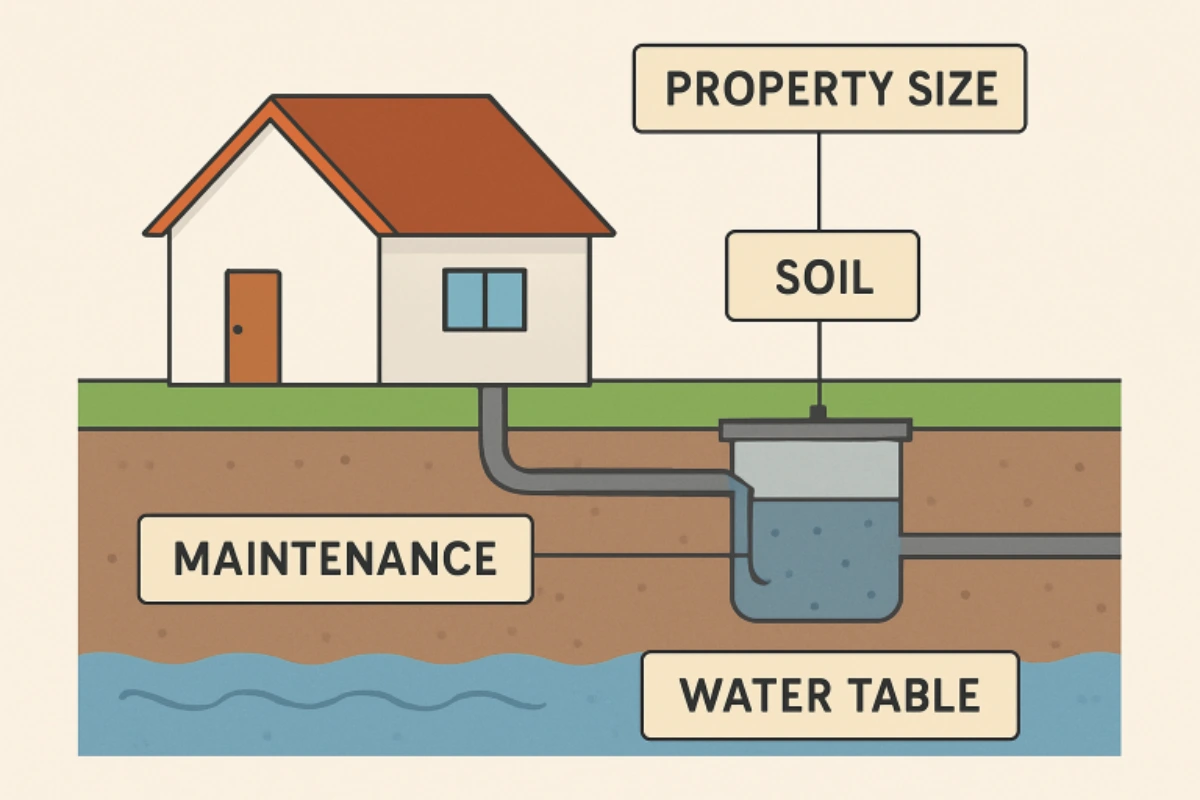
The size and configuration of your property are primary influencers of installation cost. Larger lots may require more extensive excavation, additional materials for longer piping runs, and custom system layouts to accommodate multiple structures or unique site topographies. Each factor increases material use and labor time, directly impacting the final bill.
Soil Composition and Site Conditions
The physical makeup of your property’s soil is a pivotal factor in system selection and installation methods. Septic systems rely on the soil’s permeability to treat and disperse wastewater. Sites with sandy or loamy soil tend to be more cost-effective. If your land is rich in clay or contains extensive rock, installation becomes more labor-intensive and may call for advanced or engineered solutions, further driving up costs. Regular septic pumping and inspection also help maintain optimal system performance by preventing solids from clogging the drain field and reducing strain on the soil’s natural filtration process. Soil testing is often required before installation to ensure suitability.
Water Table Levels
Areas with high water tables present unique challenges, as septic systems must be positioned to avoid groundwater contamination. This may require raised drain fields, specialized tanks, or alternative system designs, increasing materials and labor costs. Adequate installation above the water table is not only best practice—it’s frequently required for health and environmental safety.
System Type and Design
The type and complexity of the septic system dramatically influence the total price. Standard gravity-fed systems are generally less expensive than engineered or advanced treatment systems, which may be necessary in difficult soils or environmentally sensitive locations. The right design should balance regulatory compliance, household needs, and your budget.
Permit and Inspection Fees
Local authorities almost always require permits and inspections for septic system installation. Fees vary widely by region and are dictated by local ordinances and the system’s design complexity. Budgeting for these regulatory costs ahead of time is critical, as they are non-negotiable and enforced for public health reasons.
Labor and Installation Complexity
Labor is a substantial part of your overall expense. Factors that increase labor costs include challenging terrain, limited access for heavy machinery, and any need for specialized technicians. While hiring seasoned professionals may seem like a higher upfront investment, it typically ensures a safer, more reliable installation. It decreases the chance of costly mistakes or repairs in the future.
Additional Features and Customizations
Homeowners sometimes opt for added functionality during installation, such as risers for easier tank access, advanced effluent filters, or real-time monitoring systems. While these upgrades offer convenience and may boost system longevity, they inevitably add to the initial cost. Considering which features are necessary versus nice-to-have is an important budgeting step.
Maintenance and Long-Term Costs
Even after installation, homeowners must plan for ongoing maintenance expenditures. Routine pumping, regular inspections, and prompt repairs ensure efficient operation and prolong system lifespan. Proactive maintenance is always less costly and disruptive than dealing with the aftermath of neglected systems, such as backups and environmental hazards.
Final Thoughts
Installing a septic system is a multi-faceted process influenced by your property’s distinct characteristics, local regulations, system selection, and ongoing care requirements. By thoroughly understanding these factors and preparing for current and future costs, you can make a sound investment in your property’s value and livability. Whenever possible, seek advice from local experts and compare quotes from multiple providers to ensure your system fits your needs while remaining within budget.