




Key Takeaways
- Routine dental visits are key to catching and addressing dental issues early.
- Practicing daily oral hygiene is the foundation for preventing cavities and gum disease.
- Preventive treatments like sealants and fluoride offer added layers of protection.
- Education about the connection between oral and general health helps communities make informed decisions.
Table of Contents
- Importance of Regular Dental Check-Ups
- Daily Oral Hygiene Practices
- Preventive Treatments
- Educational Initiatives
- Role of Dental Hygienists
- Community-Based Programs
- Technological Advancements in Preventive Dentistry
- Conclusion
Preventive dentistry stands at the core of maintaining oral health throughout every stage of life. By focusing on proactive care and education, individuals can significantly reduce their risk of dental issues and enjoy lasting healthy smiles. Regularly consulting a dentist in Williamsburg can put you on the path to excellent oral care while helping you avoid more serious dental concerns down the road.
Preventive strategies encompass much more than just regular cleanings. By working hand in hand with a dental professional, patients receive tailored advice and early interventions, helping prevent minor problems from becoming major setbacks. At its heart, preventive dentistry empowers you to control your oral health and, in turn, positively impact your overall wellness.
Importance of Regular Dental Check-Ups
Regular dental appointments are essential for identifying dental problems before they become severe or costly. During these visits, dentists screen for issues like cavities, gum inflammation, and even signs of oral cancer. These evaluations allow patients to address trouble spots early, sparing them discomfort, more complicated procedures, and unnecessary expenses. Preventive visits also often include professional cleanings that remove tartar and plaque accumulation, both of which cannot be fully addressed through home care alone.
Daily Oral Hygiene Practices
Brushing and flossing every day form the cornerstone of oral health. Daily routines help remove plaque, a sticky film teeming with bacteria responsible for tooth decay and gum disease. Using a fluoride toothpaste strengthens enamel, while mouthwash can reduce harmful bacteria and freshen breath. These personal habits, when practiced consistently, have been shown to reduce the risk of oral conditions significantly. According to the American Dental Association, developing a daily regimen is critical for both children and adults to maintain lifelong oral wellness. For those seeking further guidance on technique and routine, major health sites like Mayo Clinic provide comprehensive resources for best practices.
Preventive Treatments
Professional preventive treatments act as additional safeguards for teeth, especially for patients at greater risk for cavities. Fluoride applications reinforce tooth enamel by making it more resistant to acid produced by oral bacteria. Dental sealants are particularly effective for children and teenagers, as they protect the grooved chewing surfaces of molars, which are common sites for decay. Research published by the Centers for Disease Control and Prevention shows that school-based dental sealant programs have dramatically reduced tooth decay rates among children, underscoring the effectiveness of these treatments.
Educational Initiatives
Promoting awareness is an often-overlooked but vital aspect of preventive dentistry. Programs that educate individuals about the importance of oral hygiene, the impact of diet and lifestyle habits, and the link between oral health and overall well-being have proven highly effective. For instance, the UT Health San Antonio School of Dentistry has initiated efforts to empower teachers as oral health champions, providing resources and training that ripple across entire communities. By bringing knowledge into classrooms and homes, such programs foster healthier habits from a young age and ensure everyone has access to essential oral health information.
Role of Dental Hygienists
Dental hygienists are frontline advocates for preventive dental care. In addition to performing cleanings and conducting risk assessments, they provide patients with personalized education about maintaining oral hygiene and the significant connection between oral and systemic health. Recent recognition in the dental field highlights their expanding responsibilities, including management of early periodontal disease and patient advocacy. Learn more about the exceptional contributions hygienists provide in supporting the mouth-body connection at PDS Health.
Community-Based Programs
Targeted community programs, especially those operating in schools or underserved neighborhoods, are crucial for addressing oral health disparities. Initiatives such as mobile dental clinics, group fluoride treatments, and family-focused education events support vulnerable populations who face barriers to accessing traditional dental care. These public health efforts improve outcomes for children and adults alike, reducing the overall burden of dental disease and promoting health equity within communities.
Technological Advancements in Preventive Dentistry
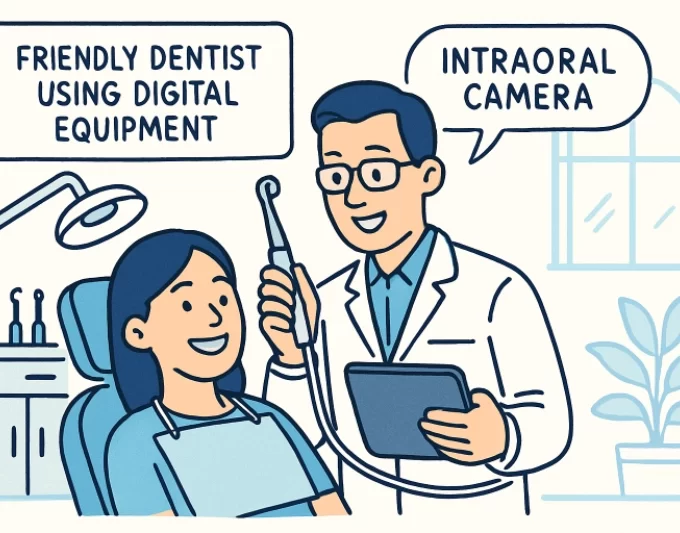
Innovative technologies have transformed how patients and providers approach preventive dentistry. Mobile applications now allow individuals to track oral health issues from home, often employing federated learning to improve diagnostic accuracy while protecting patient privacy. Telehealth consultations, digital x-rays, and even smart toothbrushes provide valuable feedback to help individuals maintain good habits and stay connected to care between visits. These advancements ensure preventive advice and early interventions are more accessible than ever before.
Conclusion
Investing in preventive dentistry through regular check-ups, effective at-home practices, and ongoing education ensures oral health is prioritized throughout life. By taking proactive steps and staying informed, individuals can protect their smiles, avoid serious dental problems, and contribute to their overall well-being. The collective effort of individuals, dental professionals, and communities makes a lasting difference, proving that prevention truly is the best medicine for oral health.