




Key Takeaways
- Assess your current financial situation to determine available resources.
- Explore various avenues for quick cash, such as selling unused items or taking on side gigs.
- Utilize financial tools like high-yield savings accounts to build an emergency fund.
- Be cautious with borrowing options to avoid high-interest debt.
- Implement proactive measures to strengthen your financial resilience.
Table of Contents
- Assess Your Financial Situation
- Quick Cash Options
- Build an Emergency Fund
- Borrow Wisely
- Cut Non-Essential Expenses
- Seek Professional Advice
- Plan for the Future
Life can throw unexpected expenses your way at any moment—whether it’s an unplanned medical bill, an urgent car repair, or an unforeseen job loss. Being prepared to manage these surprise costs without falling into a cycle of debt is crucial for your financial well-being. That’s why understanding innovative strategies for securing emergency cash is so important. If you find yourself in a tight spot, solutions like MaxLend loans can help bridge the financial gap quickly while you consider long-term options. No matter how well you budget, emergencies happen to everyone. Building a reliable action plan can make all the difference in times of financial stress. By combining practical steps, financial tools, and inside knowledge about borrowing wisely, you can create a buffer against the most stressful money problems.
Assess Your Financial Situation
When you encounter an emergency expense, the best first step is to assess your current financial position. Take a close look at your income sources, regular expenditures, and the status of any savings or liquid assets. This self-evaluation will help you understand exactly how much cash you need and what adjustments you can make immediately.
Collecting a detailed list of your expenses will also enable you to identify and eliminate unnecessary spending, redirecting available funds toward your urgent needs.
Quick Cash Options
If you need funds fast, consider these practical solutions:
- Sell Unused Items: Check closets, garages, and storage for electronics, clothing, or other valuables that can be sold online or at a garage sale for quick cash.
- Take on Side Gigs: Leverage freelancing or gig work through platforms like DoorDash, TaskRabbit, or Fiverr for immediate earning opportunities.
- Offer Local Services: Babysitting, pet sitting, tutoring, and yard work are services in high demand and can provide quick payment from neighbors or online networks.
Leveraging these quick cash methods not only addresses your immediate financial need but can also minimize your reliance on debt. According to NerdWallet, millions of Americans are increasingly turning to side gigs as a flexible way to supplement their income quickly.
Build an Emergency Fund
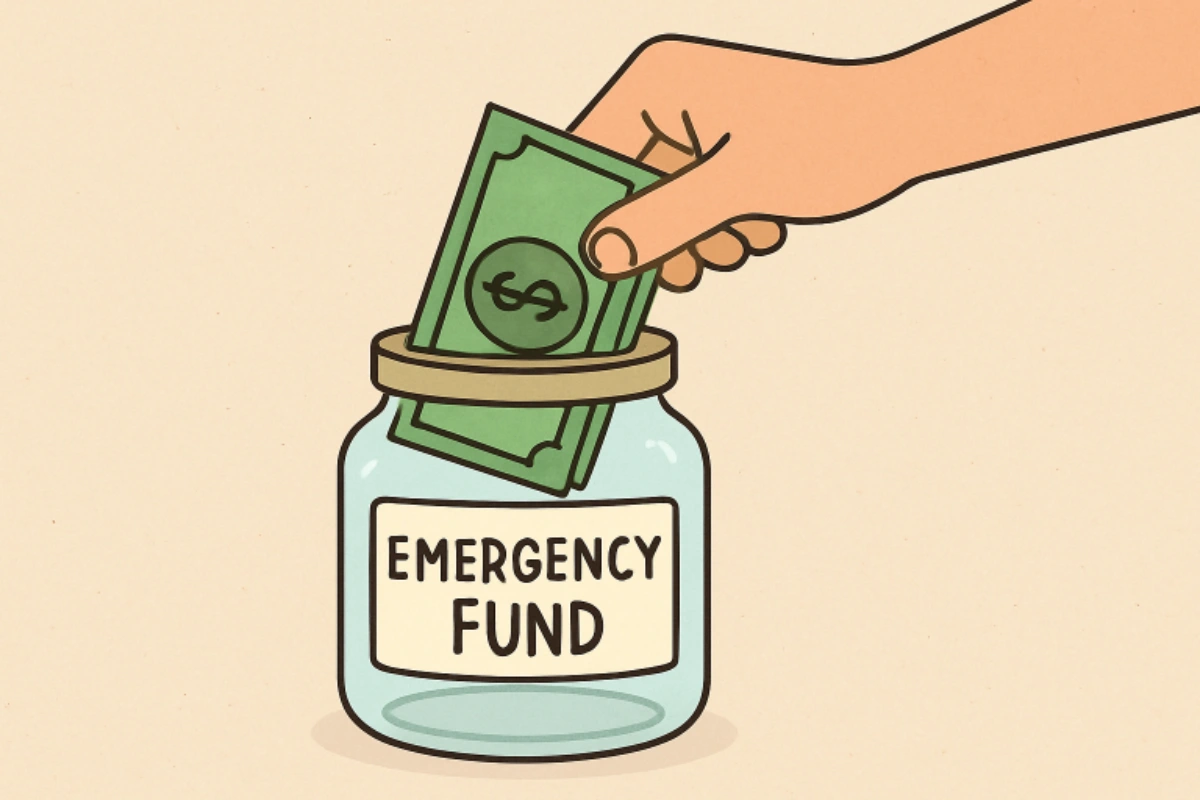
The cornerstone of handling financial crises is a well-padded emergency fund. Aim to save at least three to six months’ worth of living expenses as a safety net. If that feels daunting, begin by setting aside small, regular amounts—every dollar matters. High-yield savings accounts are recommended for emergency funds because they provide both liquidity and above-average interest rates, giving your savings a little extra boost.
Recent findings from CNBC show that 30% of Americans increased their emergency fund savings in 2024, a positive sign that more people are planning ahead for the unexpected.
Borrow Wisely
While borrowing may sometimes be unavoidable, it’s important to approach it with caution. Always compare your options carefully:
- Personal Loans: These typically offer more favorable rates than payday loans or cash advances and usually have fixed repayment schedules.
- Credit Cards: Use as a last resort and keep balances low. Pay off as quickly as possible to avoid high interest rates and additional debt.
- Retirement Account Loans: These can offer a quick source of cash, but you should only use them in dire situations, as you risk penalties, taxes, and potential harm to your future retirement security.
Be sure to review all terms, repayment responsibilities, and how the loan may impact your credit before proceeding. If you choose to apply online, take extra care to verify the lender’s credibility and read all disclosures. For further guidance on responsible borrowing, consult resources provided by the Consumer Financial Protection Bureau.
Cut Non-Essential Expenses
Emergency situations are a great reason to take a hard look at your spending and cut back on non-essentials. Some quick wins include pausing streaming subscriptions you don’t use, dining out less frequently, opting for generic brands at the grocery store, and postponing any planned luxury purchases. The money you save can be directed toward covering urgent needs or rebuilding your emergency fund.
Seek Professional Advice
If you’re feeling overwhelmed navigating financial relief options or are unsure of your next steps, working with a financial advisor can be a valuable investment. Professionals can help you create a sustainable budget, navigate debt management, and put a plan in place for future emergencies. Free programs, such as the FDIC’s Money Smart initiative, are designed to help anyone become more financially resilient.
Plan for the Future
After you have addressed your most immediate financial needs, focus on building a stronger economic future:
- Automate Savings: Set up recurring transfers into your emergency fund to grow your safety net effortlessly and ensure you stay prepared for whatever comes your way.
- Review Your Insurance: Ensure your health, auto, renters, or homeowners insurance is up to date and provides sufficient coverage for common emergencies.
- Continue Your Financial Education: Stay up to date with the latest personal finance tips and trends from reputable sources like Forbes Advisor, so you can make informed decisions when challenges arise.
By putting these strategies in place, you’ll find that emergencies are less stressful and more manageable, allowing you to protect your hard-earned assets and work toward lasting financial health.