




Key Takeaways
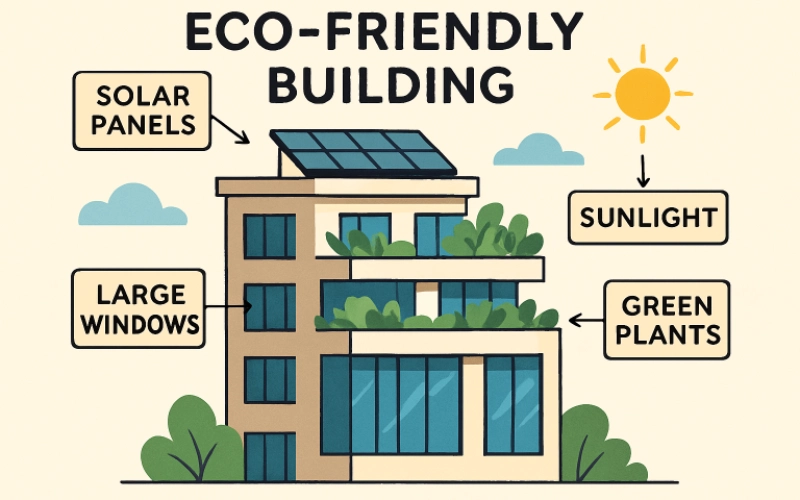
- Using renewable energy sources, such as solar panels, significantly reduces a building’s carbon emissions.
- Biophilic design boosts health, fosters happiness, and connects people to the outdoors.
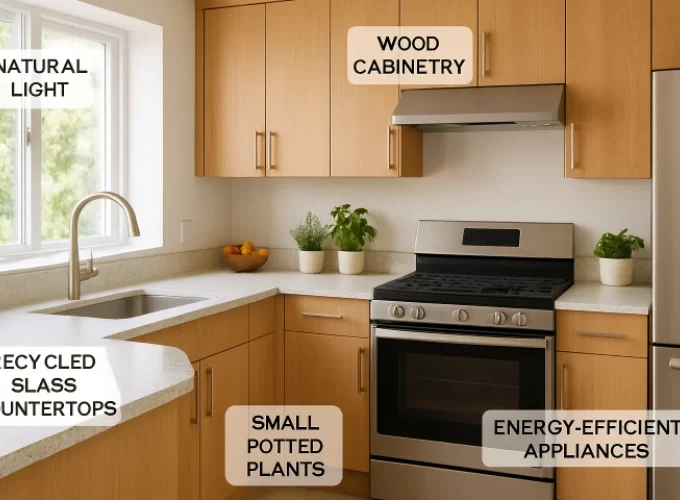
- Recycled and reclaimed materials help conserve resources and add authentic character to living spaces.
- Natural light and ventilation reduce energy usage while creating healthy home environments.
- Passive design measures lower overall energy demands through intelligent planning and architecture.
In our fast-changing world, integrating environmentally conscious solutions into architecture is not just a trend but a necessity. As urban spaces expand, the need to minimize our environmental footprint while ensuring homes and communities remain comfortable and vibrant grows. Sustainable design blends technology, nature, and thoughtful planning to create innovative spaces suited for today’s dynamic lifestyles. Firms like Arch 11 are at the forefront of such progress, demonstrating how environmentally responsible design can become the new standard for residential and commercial buildings.
Eco-friendly architecture is about more than reducing carbon emissions. It also promotes human wellness, resource efficiency, and resilience against climate challenges. Modern sustainable buildings emphasize renewable energy, innovative materials, and passive strategies that harmonize with local environments. These principles, combined with cutting-edge technologies and biophilic elements, offer both practical and aesthetic benefits, making sustainable living accessible and desirable for everyone.
By embracing these innovations, architects and homeowners can significantly cut energy costs, improve health, and strengthen their communities. Adopting green practices helps to preserve natural resources for future generations while creating visually striking, functional places to live and work. With energy and climate issues at the forefront of global discussions, the movement toward sustainable architecture is more urgent than ever.
This article highlights the key strategies driving the latest in sustainable architecture, diving into renewable energy, natural materials, intelligent technology, and much more. Readers will learn how integrating these solutions creates forward-thinking homes that are ideally suited to modern needs.
Harnessing Renewable Energy Sources
One of the pillars of sustainable architecture is the integration of renewable energy technologies. In particular, solar panels capture sunlight and convert it into usable electricity, reducing a building’s reliance on fossil fuels. This strategy not only benefits the environment but also offers residents long-term cost savings through lower utility bills. An exemplary project, the Solar Umbrella House, derives nearly all its electricity from photovoltaic panels, demonstrating how homes can efficiently power daily life with clean energy. Cities and eco-minded homeowners are widely adopting these systems due to advancements in affordability and efficiency. According to the New York Times, solar technology is becoming ever more accessible, spurring wider adoption in both residential and commercial projects.
Embracing Biophilic Design
Biophilic design is reshaping the way we perceive indoor spaces by integrating nature into architecture. This approach employs features like green roofs, living walls, large glazed openings, and courtyards that blur the boundary between inside and out. Natural materials and open floor plans further foster calmness, creativity, and well-being. Notable examples such as the Edge House in Kraków showcase how panoramic windows and rooftop gardens deliver breathtaking views while supporting thermal comfort and biodiversity. Studies featured in Architectural Digest have shown that plants and daylight can improve mental health and productivity, making biophilic elements a crucial part of any sustainable, modern environment.
Utilizing Recycled and Reclaimed Materials
Advanced sustainable design uses recycled and reclaimed materials to reduce waste and lower demand for virgin resources. Old timbers, salvaged metals, reclaimed bricks, and repurposed glass infuse homes and buildings with unique character, telling stories of past uses while supporting a circular economy. Communities benefit from local sourcing and reduced landfill burden. Builders are increasingly able to find high-quality reclaimed materials, turning what might have been thrown away into the foundations of striking, sustainable homes. By consciously choosing these materials, architects promote resource stewardship and help minimize the impact of the construction sector.
Designing for Natural Light and Ventilation
The strategic use of light and air is central to energy-efficient, sustainable design. Large windows, clerestories, skylights, and open-plan layouts maximize daylighting, reducing reliance on electric lighting. Proper window orientation and operable skylights or vents invite in fresh breezes, helping regulate indoor temperatures and enhance comfort. By relying more on natural light and passive ventilation, homes remain pleasant year-round with minimal artificial heating and cooling. This approach not only slashes energy bills but also supports better indoor air quality and overall well-being.
Implementing Passive Design Strategies
Passive design harnesses building orientation, insulation, shading, and thermal mass to maintain comfortable temperatures with little or no energy input. South-facing windows in colder climates allow winter sun to warm interiors, while deep overhangs and deciduous trees shield residents from summer heat. Choosing efficient building shapes, such as those with square or rectangular footprints, yields improved energy and material performance, as supported by recent studies. These strategies help modern homes stay naturally cool in the summer and warm in the winter, contributing significantly to both comfort and sustainability.
Incorporating Sustainable Materials
Beyond recycled elements, sustainable architecture proactively seeks out materials that regenerate more quickly or have a minimal environmental impact. Bamboo, for instance, is making waves as a renewable, hard-wearing, and flexible alternative to hardwoods. It can grow several feet in just a week and withstands a wide range of climates. Pioneers like architect Elora Hardy have used bamboo to create beautiful yet strong structures, celebrating nature’s possibilities. Other popular green materials include cork, hempcrete, and recycled steel, each contributing distinct benefits, from natural insulation to structural integrity.
Adopting Smart Home Technologies
Smart home innovations go hand in hand with sustainability efforts in modern architecture. Adaptive lighting, intelligent thermostats, and responsive windows let homeowners easily optimize comfort and energy efficiency. These technologies automate routine adjustments, ensuring that lights and HVAC systems run only when needed, drastically reducing waste. Remote energy monitoring and efficient appliances empower residents to make informed choices about their consumption. The result is a home that is not only more efficient but also more adaptable to changing lifestyles and environmental conditions.
Conclusion
Sustainable architecture is swiftly becoming the cornerstone of modern building philosophy. With advances in materials, technology, and holistic design, architects and homeowners can create beautiful and practical homes that respect the planet. By blending renewable energy, biophilic design, recycled materials, and passive principles, modern living spaces can meet the challenges of today’s world while preserving resources and promoting wellness for tomorrow. As these innovative strategies become mainstream, society moves closer to a more harmonious and resilient future rooted in sustainable architectural solutions.