



Have you ever realized you’re better at taking care of your phone battery than your own body? You charge it at the right time, clean the screen, update it regularly—and yet somehow skip your own water intake, avoid stretching, and think a single wet wipe counts as “freshening up.” In this blog, we will share the basic health and hygiene habits that deserve more attention than they usually get.
Clean Doesn’t Always Mean Complicated
The problem with health advice today is that it either sounds like a lecture or a product pitch. Everyone’s pushing supplements, 10-step skin routines, cold plunges, and wearables that track your every move. But while tech and trends shift constantly, the basic habits that keep your body from turning into a walking petri dish haven’t changed much. The trouble is, they’ve gotten easy to forget because they sound too obvious to matter.
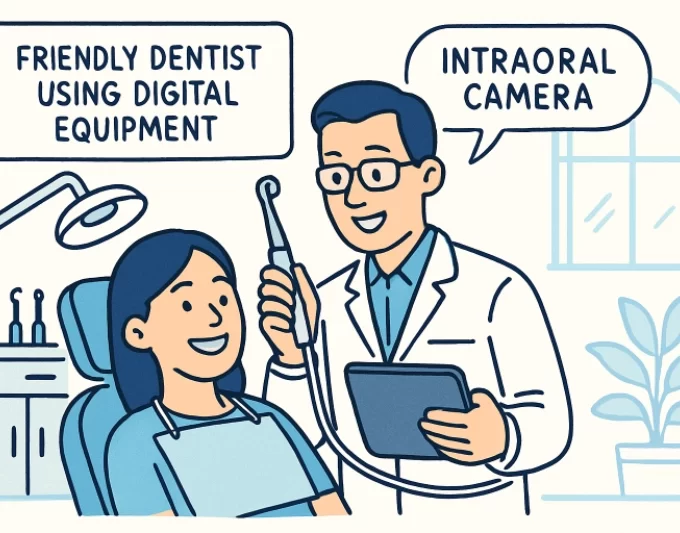
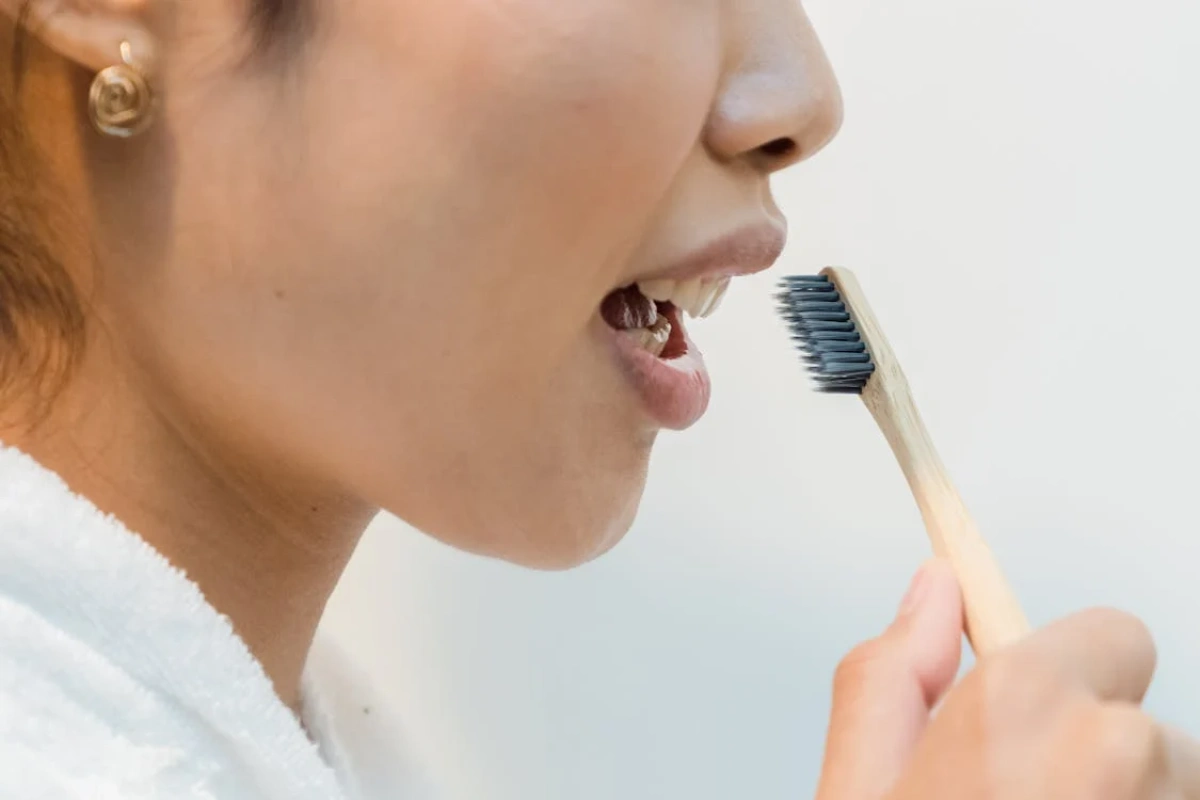
Start with dental care. Not just brushing twice a day—though that’s a solid place to begin—but actual maintenance. The kind that prevents gum disease and silent decay. Brushing alone doesn’t cut it if you’re skipping flossing or using a brush that’s past its prime. And no, mouthwash isn’t a stand-in for brushing. It’s an assist, not a miracle worker.
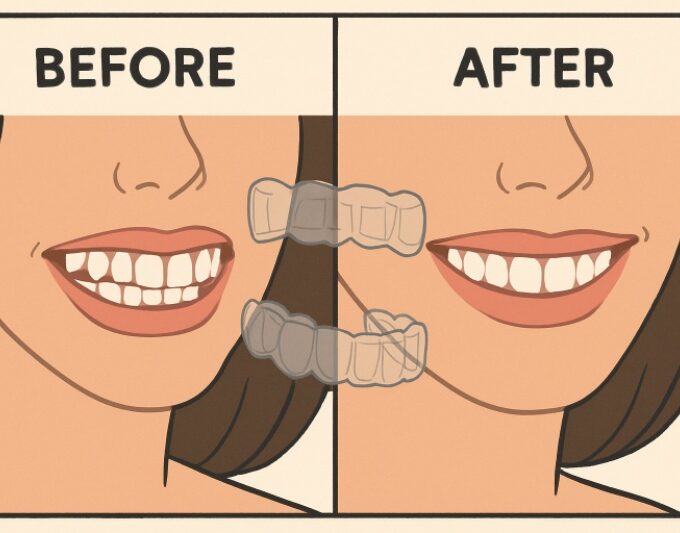
And speaking of smiles, let’s stop pretending appearance doesn’t matter at all. Clean teeth signal more than hygiene; they reflect effort and health awareness. It’s not vain to care about that—it’s practical. Even procedures like comprehensive teeth whitening have become more than cosmetic. They’re part of an overall dental health plan that starts with cleanliness and ends with confidence. In today’s remote-and-virtual world, where faces are constantly on screen, your smile ends up doing a lot of the talking. If it looks neglected, the assumption—fair or not—is that you neglect other things too.
That’s the thing about hygiene: when it’s missing, people notice fast. But when it’s part of your routine, no one thinks twice. It’s only when things go wrong that people pay attention. Which is exactly the problem.
Your Hands Still Matter More Than Your Apps
During the height of the pandemic, handwashing had a moment. Posters were everywhere. Hand sanitizer stations popped up like weeds. Everyone suddenly remembered that germs were, in fact, real. And for a while, people took hygiene seriously. Then the urgency wore off, and old habits crept back in. But the threats didn’t disappear. Viruses still spread, colds still circle offices, and food poisoning isn’t shy. If anything, hygiene now matters more than ever—because the illusion of “normal” makes people let their guard down.
Clean hands aren’t about paranoia. They’re about practicality. Most people don’t realize how often they touch their face in a single hour. You’d be surprised how much bacteria travels from your keyboard to your lunch. Washing hands before meals, after touching public surfaces, or when coming home isn’t obsessive. It’s smart. And it cuts down the need for antibiotics, sick days, and awkward “I think I got it from you” conversations.
Nail hygiene also matters but rarely gets discussed unless someone works in healthcare. Underneath fingernails? That’s where bacteria thrives. Regular trimming, proper cleaning, and occasional breaks from nail polish can make a visible difference—not just in appearance, but in reducing infections that people often chalk up to “just a rash” or “weird skin stuff.”
Sleep Is the Forgotten Cornerstone
People love to talk about food. Workout plans too. But when sleep enters the conversation, it usually turns into a joke. “I’ll sleep when I’m dead” still gets tossed around like it’s a clever life strategy instead of a fast track to burnout. But sleep isn’t optional. It’s foundational. Without it, your immune system suffers, your concentration drops, and your mood turns into something nobody wants to deal with.
Good sleep hygiene means more than going to bed at a decent time. It’s about creating habits that help your brain wind down. That might look like turning off screens an hour before bed, sticking to a consistent sleep window, or adjusting your space—cooler rooms and darker environments tend to improve quality. Even something as small as avoiding caffeine late in the day can shift the outcome.
And no, five hours a night isn’t secretly enough if you power through. Your body keeps score, and eventually, it demands payment. Sleep debt doesn’t disappear—it shows up in brain fog, low resilience, and a shorter fuse. You may not see the toll right away, but the long-term effects are hard to miss once they arrive.
Public Spaces Demand Private Precautions
We’re back in gyms. We’re riding trains again. Going to concerts. And with all of that comes exposure. Germs didn’t retire. They just adapted. But the good news is, so can we.
Carrying hand sanitizer still helps. So does wiping down shared equipment and being a little more mindful about touching your face. If you’re sick—even mildly—consider staying home. Not because it’s noble, but because it prevents a weeklong ripple effect that starts with someone coughing quietly and ends with half a department working remotely through a fog of cold medicine.
Masking, though less common now, still works in high-risk situations. Airports, crowded events, or indoor venues with poor airflow all qualify. You don’t have to wear one all the time. But knowing when to use one? That’s smart hygiene, not overreaction.
Even things like keeping a small towel or tissues on hand during workouts or commutes are simple but effective. Hygiene isn’t about being a germophobe. It’s about taking enough care of your own health that other people don’t have to deal with the consequences.
Being clean doesn’t mean being perfect. It means being aware. The more you pay attention to basic habits, the fewer problems you end up reacting to later. The point isn’t to impress anyone. It’s to give your body—and your community—a better shot at staying healthy in a world where new threats keep showing up without warning.
The habits that keep you healthy don’t need to be expensive or extreme. They just need to be consistent. And when they are, you’ll find that staying well feels less like a fight and more like a rhythm. One you control. One that protects you before things go sideways. One that works quietly, in the background, just like all good habits do.