




As healthcare faces a surge in demand for skilled nurses, accelerated master’s programs in nursing offer a timely solution. These programs offer a streamlined pathway for individuals with non-nursing degrees to transition into advanced roles, thereby helping to bridge the workforce gap. They streamline routes to BSN and MSN degrees, transforming the nursing education landscape. With projections of persistent demand for registered nurses, these programs are crucial in cultivating future leaders and practitioners capable of delivering quality, patient-centered care. The condensed timelines and intensive curricula prepare graduates for various specialties, positively impacting patient outcomes across the nation. Organizations like the American Association of Colleges of Nursing note that these models address critical issues, such as faculty shortages and limited clinical placements, thereby replenishing the talent pipeline and creating new healthcare leaders.
Understanding Accelerated MSN Programs
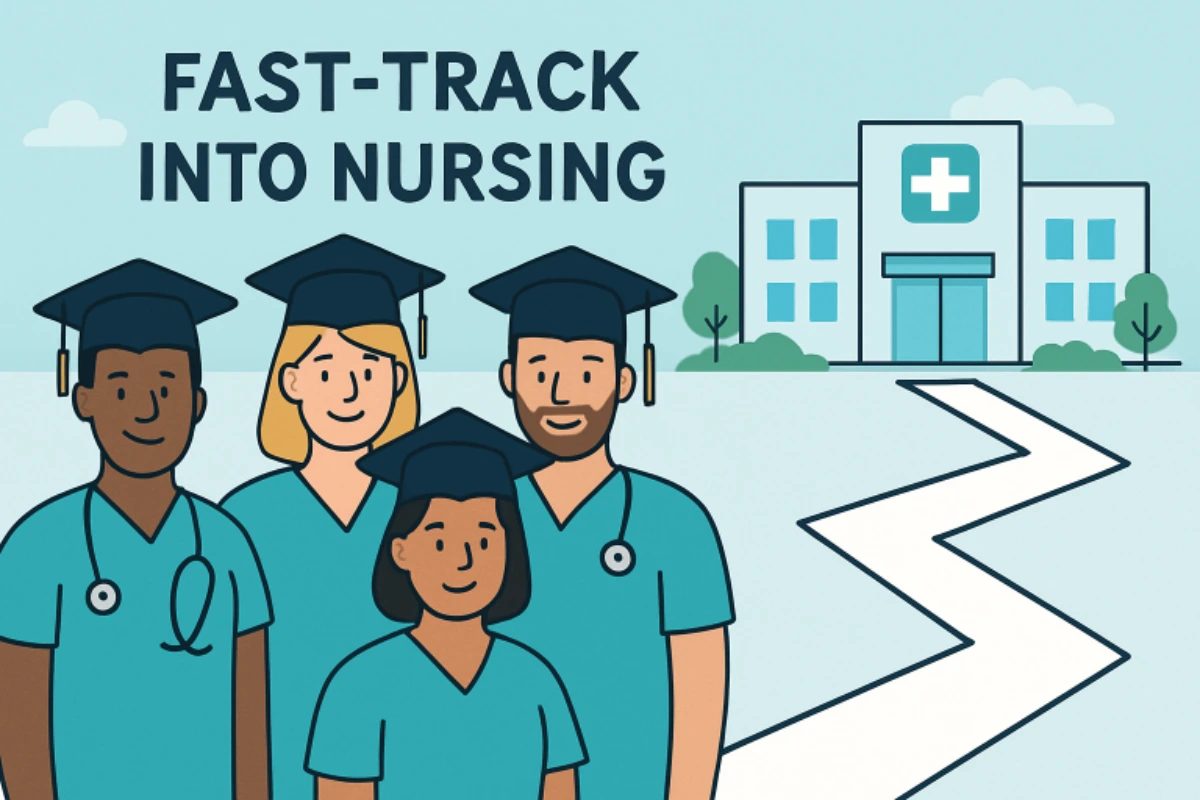
Accelerated master’s nursing programs are designed for individuals with a bachelor’s degree in a non-nursing field, aiming to transition into a nursing career. Unlike traditional pathways, these programs combine undergraduate and graduate nursing education, allowing students to earn both a BSN and an MSN in two to three years. Courses cover core nursing theory, healthcare concepts, and practical skills, with initial immersion followed by specialty and leadership training. This fast-track system enables capable individuals to enter or advance in nursing without repeating their earlier education, making it an efficient option for career changers seeking to meet the growing demands of healthcare.
Addressing the Nursing Shortage
The U.S. faces a nursing shortage due to an aging population, rising chronic illness, and retirements. Over 200,000 new registered nurses are needed annually through 2031, requiring quick, scalable education solutions. Accelerated MSN programs help fill workforce gaps by preparing nurses for advanced roles like nurse practitioners and leaders, improving care. The American Nurses Association emphasizes maintaining strong academic pipelines to meet current and future nursing demands.
Curriculum and Structure
Accelerated MSN curricula are designed to prepare students for leadership in health systems through intensive and immersive programs. They begin with foundational courses in human anatomy, physiology, pharmacology, and nursing practice, advancing to specialties in leadership, research, and healthcare ethics. Students gain real-world experience through extensive clinical rotations while focusing on advanced nursing theory, evidence-based practice, and healthcare policy. Elective tracks are available for various specialties, and programs may include simulation labs for enhancing clinical judgment and interdisciplinary communication skills.
Admission Requirements
Prospective students of accelerated MSN programs should anticipate competitive admissions due to the rigorous nature of these programs. Typical requirements include an accredited bachelor’s degree in a non-nursing field, prerequisite coursework (such as anatomy and statistics), a minimum GPA of 3.0, and various supporting documents, including professional references and a personal statement. While some schools may prefer candidates with prior healthcare experience, they often accept applicants from a range of academic backgrounds.
Benefits of Accelerated MSN Programs
Fast-track entry into nursing enables quicker licensure and access to advanced roles, facilitating career growth in high-demand areas such as nurse practitioner and educator. This initiative also aims to relieve workforce shortages by rapidly increasing the number of skilled professionals in advanced care and leadership positions. Furthermore, it provides personal fulfillment for individuals from diverse backgrounds seeking rewarding careers in healthcare, appealing to both students and healthcare systems.
Challenges and Considerations
Accelerated MSN programs are effective, but they also present challenges for candidates. The intensive pace requires a significant amount of time and energy, limiting opportunities for outside work. Financially, tuition costs are high, and the schedule may decrease income opportunities. Students face emotional and academic pressure to grasp complex concepts and adapt to high-stress situations quickly. Careful school selection, strong support systems, and realistic planning are crucial for managing these challenges successfully.
Conclusion
Accelerated MSN programs are transforming both the nursing profession and healthcare delivery by enabling well-educated individuals to enter the field quickly, efficiently, and with advanced clinical and leadership skills. For those seeking a purposeful career switch or accelerated professional growth, these programs offer a direct path to making a difference in patient care, nursing leadership, and the broader health system—all while helping meet the escalating demand for highly qualified nursing professionals.