




Security cameras have become essential tools for protecting homes and businesses. With so many options available, choosing the right one can feel overwhelming. The best security camera isn’t necessarily the most expensive—it’s the one that fits your specific needs. In this article, we’ll break down the five most critical factors to consider before making your purchase.
1. Image Quality That Actually Helps Identify Threats
A security camera’s primary job is to capture clear footage, whether it’s day or night. Resolution plays a huge role—higher resolution means sharper images, making it easier to identify faces or license plates. However, resolution alone isn’t enough. Night vision capability is equally important, as many incidents happen after dark. Look for cameras with infrared or starlight sensors for better low-light performance. Another key factor is the field of view (FOV). A wider FOV covers more area, reducing blind spots, but too wide of an angle can distort details. A PTZ (pan-tilt-zoom) camera offers flexibility by allowing you to adjust the view remotely, which is useful for monitoring large spaces. Dynamic features like auto-tracking can follow moving objects, ensuring nothing goes unnoticed.
2. Smart Alerts That Reduce False Alarms
Getting constant notifications for every passing car or stray animal can make security cameras more annoying than helpful. Modern cameras use AI to filter out irrelevant motion, but not all systems are equally accurate.
AI That Works
Advanced AI can distinguish between humans, animals, and vehicles, drastically cutting down false alerts. Some cameras even recognize familiar faces, sending alerts only when an unknown person is detected. However, accuracy varies—cheaper models might still flag shadows or moving branches as threats. Reading user reviews helps gauge real-world performance before buying.
Zone Defense
Activity zones let you define specific areas where motion triggers alerts, like a driveway instead of a busy sidewalk. This feature is invaluable if your camera faces a high-traffic area. Properly configured zones ensure you only get notified about relevant activity, saving you from constant distractions. By focusing on specific areas, you can enhance security without the annoyance of false alarms.
Audio Alerts
Some cameras include sound detection, alerting you to breaking glass or loud noises. While useful, this can also raise privacy concerns if the camera picks up private conversations. Always check whether audio recording complies with local laws and consider disabling it if unnecessary. Being aware of these implications can help you use your security system responsibly and ethically.
3. Reliable Power and Storage Solutions
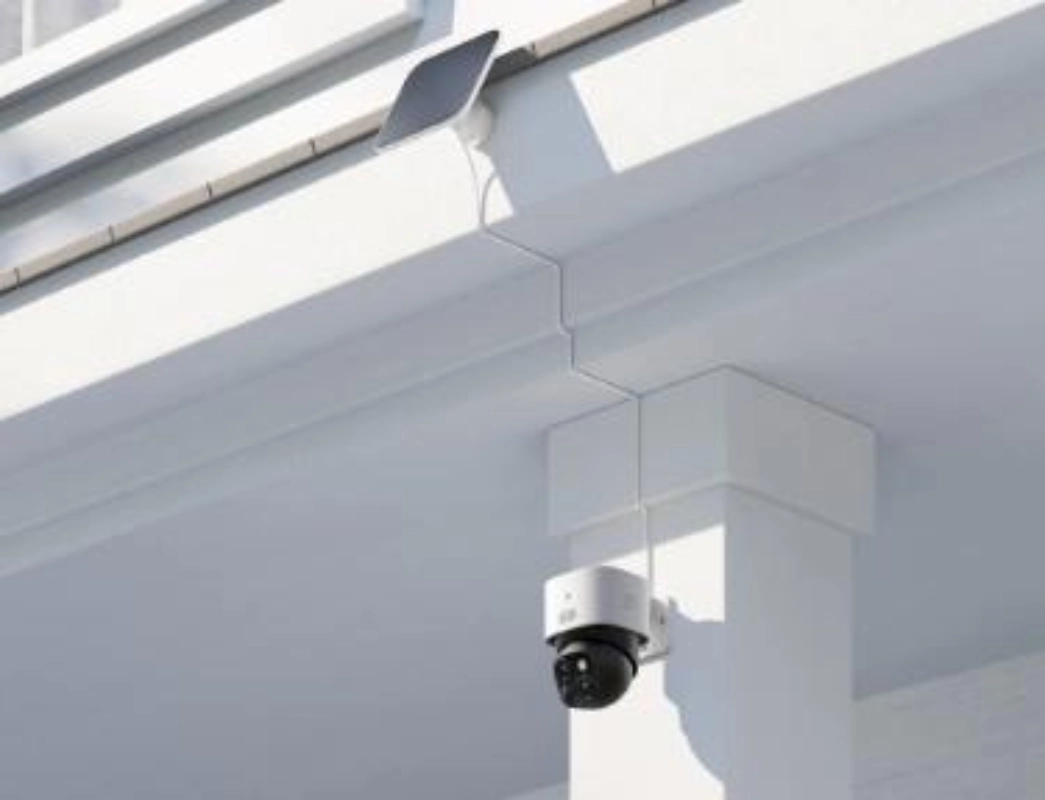
A security camera is only as good as its uptime. Wired cameras provide uninterrupted power but require professional installation. Wireless models offer flexibility but depend on battery life, which can be a hassle to maintain. Solar-powered options are a middle ground, ideal for remote locations. Storage is another crucial consideration. Cloud storage offers convenience but usually requires a subscription. Local storage (like microSD cards) keeps footage offline but may be vulnerable to theft if the camera is tampered with. Some systems support both, giving you a backup if one fails.
4. Weather Resistance and Installation Flexibility
Not all cameras can withstand harsh weather. The IP (Ingress Protection) rating indicates durability—look for at least IP65 for outdoor use, meaning it’s dust-tight and resistant to rain. The PTZ camera should have even higher ratings since moving parts are more susceptible to damage. Placement also matters. High-traffic entry points like doors and garages are obvious spots, but don’t overlook side gates or basement windows. A PTZ camera can cover multiple angles, reducing the number of cameras needed. Just ensure it’s mounted out of reach to prevent tampering.
5. Privacy Protection and Data Security
A poorly secured camera can become a privacy nightmare. Always choose cameras with end-to-end encryption to prevent hackers from accessing your feed. Two-factor authentication (2FA) adds an extra layer of security, ensuring only authorized users can log in. Be wary of cameras that require excessive permissions, like access to your contacts or location. Regularly updating firmware patches security vulnerabilities. If privacy is a major concern, opt for local storage over cloud-based systems.
Conclusion
The perfect security camera depends on your living situation. Urban homes might prioritize smart alerts to filter out street activity, while rural properties may focus on weather resistance and night vision. PTZ cameras offer versatility for large areas but may be overkill for small apartments. By weighing these five factors—image quality, smart alerts, power and storage, durability, and security—you’ll find a camera that truly meets your needs.