





What do you do when your entire operation suddenly stalls? Not just a slowdown—a full stop. Maybe a machine fails or a critical shipment disappears. Maybe your team stands idle while you scramble for answers. If that scenario sounds familiar, you’re not alone. In today’s fast-moving industry, where deadlines are tight and disruptions are common, relying on luck or last-minute fixes just doesn’t work. Still, many businesses push forward without a real backup plan, hoping nothing goes wrong. That kind of thinking can cost more than time—it can cost trust, money, and momentum.
In this blog, we will share why having a solid contingency plan isn’t just smart—it’s necessary. You’ll learn how preparation can keep your operation running smoothly even when the unexpected hits.
The Pressure Cooker of Modern Industry
The pace of modern industry is different now than it was even five years ago. Demand spikes happen overnight. Delays ripple across continents. A single part shortage in one region can throw off entire production schedules elsewhere. That’s not speculation—it’s already happening.
Add to that the rise of automation and leaner workforces. Many facilities now rely on fewer people and tighter margins. When things go off course, it’s not easy to adjust. Teams can’t just add more hours or workers to fix the gap. There’s no cushion. And in this environment, even small disruptions can snowball.
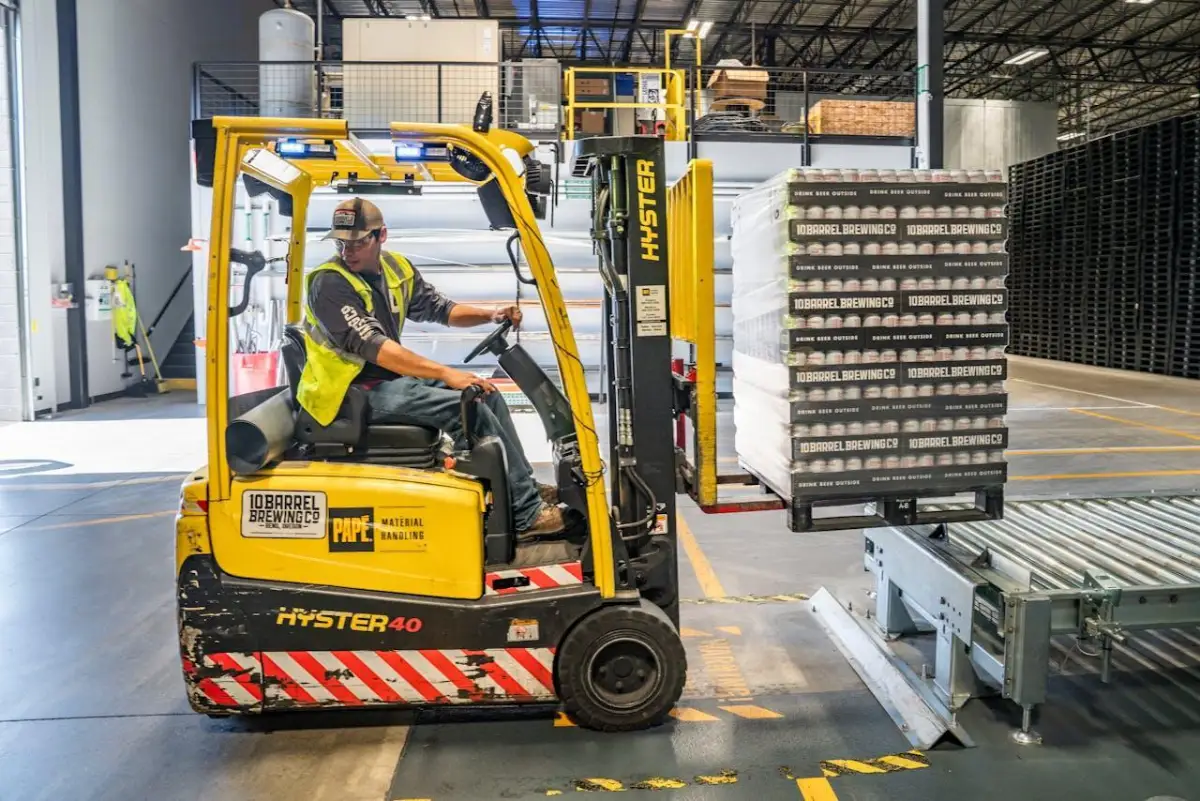
Think about the equipment side. Every minute of downtime costs money. And when something breaks—like a forklift or a conveyor system—waiting for a replacement part isn’t an option. Especially when shipping delays or backorders mean waiting days or even weeks.
That’s where foresight makes all the difference. Teams that plan ahead don’t just keep extra tools on hand. They invest in reliable supply chains and trusted vendors. They stock essential items, like aftermarket forklift parts, so they’re not caught off guard. These parts might not grab headlines, but they keep machines—and production lines—running when it counts.
Having extras ready means fewer delays, lower repair costs, and less stress for your crew. More importantly, it gives your team room to make smart decisions instead of scrambling. And that’s exactly what a good contingency plan offers: room to think.
Contingency Isn’t Panic—It’s Preparation
Too often, planning for a problem gets mistaken for being negative. But having a contingency plan doesn’t mean expecting the worst. It just means being ready if the worst shows up.
Start with identifying your weak spots. Every operation has them. Maybe it’s an old machine that runs every shift. Maybe it’s a supplier who’s great—when they answer your calls. Or maybe it’s a staffing gap on the night shift. Wherever the pressure points are, name them. Then build from there.
A good plan answers questions like:
- What will we do if this machine breaks?
- Who do we call if this system goes down?
- What happens if our main supplier is late?
- Do we have enough inventory to stay afloat during delays?
These aren’t scary questions—they’re smart ones. And answering them in advance is cheaper, faster, and less stressful than doing it mid-crisis.
Also, don’t forget the human side. What happens if a key team member calls out? Who’s cross-trained to step in? These gaps often get overlooked until they’re staring you in the face. And by then, it’s too late.
How Small Failures Lead to Big Costs
Most operations don’t collapse because of one massive problem. They unravel from a series of small ones. A delay here, a breakdown there. It all builds. Without a plan, these issues drag down performance and drain resources.
Let’s take an easy example: a forklift in the warehouse stops working. It’s not dramatic. But it slows down loading. That delays shipping. That throws off delivery schedules. That frustrates customers. All from one machine sitting still.
Now imagine you don’t have the part to fix it. Or your vendor can’t get it to you for a week. Suddenly, a small hiccup becomes a serious bottleneck. And the longer it lasts, the more damage it does.
A contingency plan avoids that. You already know what part wears out often. You already know where to get it—or better, you have it in storage. You’re not reacting. You’re responding. And there’s a big difference.
Contingency Planning as a Team Effort
No plan works without buy-in from the people on the ground. That’s why building one should include your full team. Ask the folks who use the machines what problems they see. Let the logistics crew weigh in on weak spots in deliveries. And always listen to the maintenance crew—they’re usually the first to see trouble coming.
When everyone’s involved, you get better ideas and stronger systems. You also get a culture of readiness, not fear. That matters. Because when things go wrong, it’s your team that makes the difference. The plan is the tool—they’re the ones who use it.
This also makes training easier. If you’ve built the plan together, it’s not some dusty binder in an office. It’s a real, working document your people understand. That way, when you need it, it actually works.
Tying Contingency to Bigger Business Goals
Planning for trouble isn’t just about avoiding bad days. It also supports your bigger goals. A smooth operation is a more profitable one. It’s also more attractive to clients and partners.
When you can say, “Yes, we have a backup plan,” you gain trust. And trust is currency—especially when contracts, deadlines, and client expectations are tight.
Even insurance companies care. Some will offer better terms to operations with documented risk plans. And investors? They don’t want surprises. They want steady, predictable performance. Contingency plans help you deliver that.
A Final Word on Readiness
The best time to make a plan is before you need it. That sounds obvious, but it’s easy to ignore—especially when things seem to be going well. But the truth is, good operations don’t happen by accident. They’re built on habits, systems, and preparation.
No one’s asking you to predict every disaster. But if you can answer a few key questions, keep essential tools on hand, and get your team aligned, you’ll be ready when the unexpected shows up. And it will.
So walk your floor. Talk to your team. Find the cracks before they spread. That’s not just survival—it’s smart business. In today’s world, readiness isn’t optional. It’s the standard.