




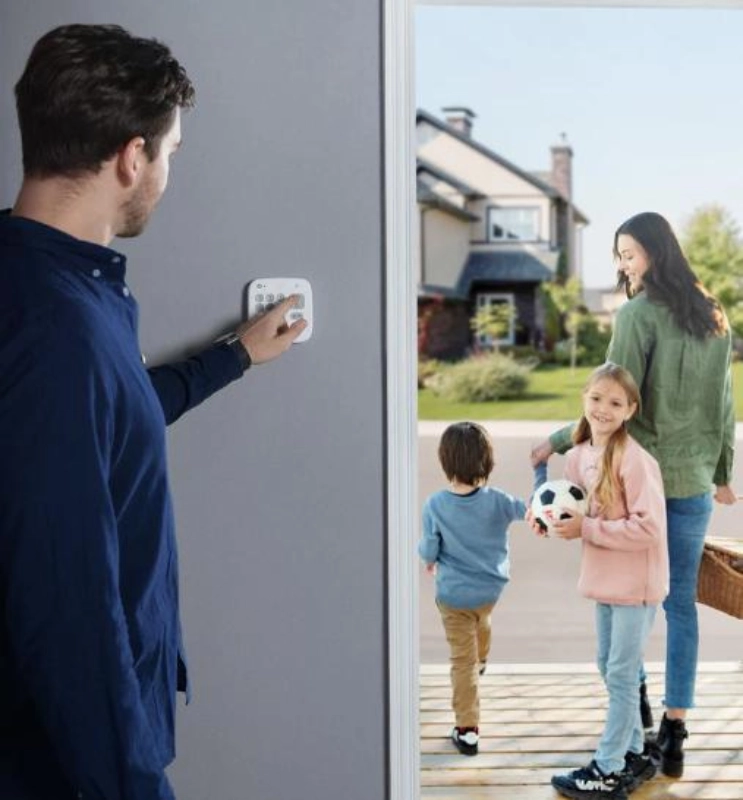
Smart homes are evolving, incorporating devices that improve security, convenience, and efficiency. Alarm systems, integral to home security, have now begun merging with smart home technologies. Integrating alarm systems with smart homes transforms the way homeowners interact with their security devices, offering centralized control and enhanced features. By bridging traditional alarm systems with smart technology, users can manage security settings through smartphones or voice-activated devices and receive real-time alerts. As homes become more connected, this integration elevates the level of home security, ensuring peace of mind for homeowners. Let’s explore the workings of smart alarm integration, its benefits, and the future possibilities this technology holds.
How Smart Alarm Integration Works
Smart alarm integration involves connecting traditional alarm systems with smart home technology via wireless networks. This process requires linking the alarm systems to a central hub or smart home platform, such as Google Home or Apple HomeKit. These hubs facilitate communication between the alarm systems and other smart devices, allowing users to control and monitor their security systems remotely. Through applications installed on smartphones or tablets, homeowners can arm or disarm alarms and view security footage in real time. The integration is typically achieved through protocols like Zigbee or Z-Wave which enable interoperability among devices. Additionally, smart alarms can incorporate features like motion sensors and automated lighting, further enhancing security measures. This integration transforms basic alarm systems into dynamic, responsive security networks that adapt to homeowner needs and preferences.
Benefits of Integration
Integrating alarm systems with smart homes offers numerous benefits, enhancing security while providing unparalleled convenience. The combined benefits make integrated smart alarms a vital component in modern smart home ecosystems, increasing safety and offering a streamlined user experience.
Enhanced Security
Smart alarm integration significantly boosts home security. By linking alarm systems with smart devices, homeowners gain real-time monitoring and alert capabilities. This facilitates immediate response to potential security breaches, whether homeowners are on-site or away. The integration of motion sensors, cameras, and smart locks allows for comprehensive security coverage that traditional systems can’t match. Furthermore, these integrated systems can be programmed to send instant alerts to the homeowner’s smartphone, ensuring swift action. Advanced features like facial recognition and geofencing add additional layers of security, minimizing false alarms and improving accuracy. The interconnection of devices fosters a coordinated security environment where devices communicate seamlessly to enhance overall protection. This fortified security setup deters intrusions and provides homeowners with peace of mind, knowing their homes are monitored continuously.
Convenience & Control
Smart alarm systems integrate seamlessly with smart home platforms, offering exceptional convenience and control. Homeowners can manipulate their security systems with a few taps on their smartphones or through voice commands using smart speakers. This flexibility allows users to arm/disarm systems remotely, customize security settings, or view live camera feeds from anywhere. Smart home platforms provide centralized control, making it easier to manage multiple security devices from a single application. Features like scheduling let homeowners automate security routines, such as adjusting lights or setting alarms. Notifications and alerts sent directly to mobile devices ensure users are informed about their home’s security status in real-time. This orchestrated control enhances convenience, providing homeowners with a streamlined and hassle-free approach to managing their security systems. The substantial level of control and customization ensures that smart alarm systems can be adapted to fit individual preferences, offering a tailored security solution for modern homes.
Efficiency & Cost Savings
Smart alarm integration contributes to efficiency and cost savings by optimizing the performance of security systems. Integrated systems often incorporate energy-efficient technology which reduces power consumption. Smart alarms adjust their operation based on real-time data, allowing homeowners to minimize unnecessary energy use. Additionally, these systems streamline security measures, reducing the need for expensive hardware or multiple standalone devices. Centralized control via smart home platforms simplifies management, saving time and reducing operational costs. Integration also paves the way for predictive maintenance, alerting homeowners to potential system issues before they become costly failures. The reduced risk of false alarms further decreases the burden on homeowners who would otherwise incur fines. Over time, the initial investment in smart alarm integration pays off through decreased energy bills and reduced hardware expenses.
Eufy Ecosystem Integration
Known for its user-friendly devices, Eufy provides seamless connectivity between its alarm systems and other smart home gadgets. Eufy devices, including cameras, doorbells, and security sensors, connect to a central hub operated through the Eufy Security app. This platform enables users to view all devices, manage settings, and automate security tasks from a single control point. Integration with voice assistants such as Google Assistant and Amazon Alexa adds an extra layer of convenience, letting users control devices through simple voice commands. Eufy’s ecosystem supports linking with other smart home platforms, broadening its functionality beyond standalone use. It allows sophisticated customizations, including setting activity zones for motion detection or creating security schedules tailored to individual needs. Eufy’s approach to smart alarm integration ensures its devices contribute to a cohesive, efficient smart home security system. Eufy continues advancing, adding features like facial recognition and AI-based threat detection to enhance its ecosystem.
Future Trends in Integration
The future of alarm system integration lies in the emergence of AI-driven security solutions and increased IoT connectivity. As technology advances, smart alarms will incorporate refined artificial intelligence, enabling predictive security measures that anticipate threats before they occur. IoT devices will become even more interoperable, allowing seamless integration across various platforms. Blockchain technology presents prospects for secure data handling, safeguarding homeowner privacy. Additionally, the development of 5G networks will enhance device communication speeds, favorably impacting response times. Wearable technology integration represents another frontier, giving homeowners real-time monitoring while on the go. These trends indicate a shift towards hyper-connected, autonomous security systems designed to intelligently adapt to dynamic environments and enhance home safety.
Conclusion
Integrating alarm systems with smart homes offers transformative benefits in security, convenience, efficiency, and cost savings. Through technologies like Eufy’s ecosystem and future innovations, homeowners enjoy unparalleled control and adaptability in managing their security. As homes become increasingly connected, the integration of smart alarm systems will continue to evolve, incorporating AI advancements and IoT capabilities for enhanced functionality. These integrations represent a vital step towards creating a secure, intelligent home environment that meets modern lifestyle demands. For homeowners seeking to elevate their property’s security, exploring smart alarm integrations is essential. Embracing these technologies not only secures homes more effectively but also enriches the overall smart home experience, providing peace of mind in an ever-changing world.