





Key Takeaways
- Revolving credit can help cover short-term gaps between business expenses and customer payments.
- A line of credit works best when the need is temporary, defined, and connected to a realistic repayment plan.
- Cash flow forecasting helps owners decide when to draw funds and how much to borrow.
- Rates, fees, repayment schedules, collateral, and renewal terms all affect borrowing costs.
- Borrowing should support a viable business model, not mask ongoing losses or pricing problems.
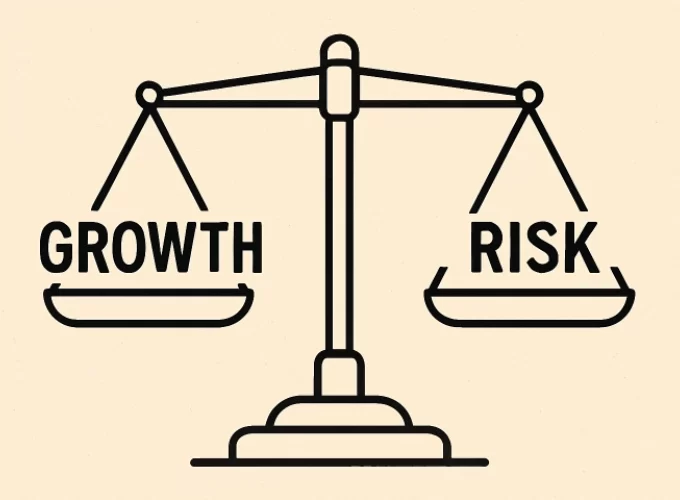
Many small businesses experience uneven cash flow, even when sales are healthy. A revolving line of credit can provide a flexible source of working capital when bills are due before customer payments arrive. Before applying, business owners can see the Bluevine line of credit and compare its structure with their expected borrowing needs. The goal is not to borrow simply because credit is available. A line of credit is generally most useful when a business can identify a short-lived cash gap, estimate the amount needed, and point to a dependable source of repayment, such as collected invoices, seasonal sales, or a confirmed customer order.
Why Cash Flow Gaps Happen Even in Profitable Businesses
Profit and cash in the bank are not the same thing. A business may record revenue after completing work or issuing an invoice, while its customer may not pay for several weeks. Meanwhile, payroll, rent, insurance, supplier invoices, and taxes may still require payment on set dates. For example, a contractor may finish a project in March, pay employees and material vendors during the job, then wait until May for the client’s payment to clear. Seasonal businesses can face a similar challenge when they need to buy inventory or hire staff before their busiest period begins. When comparing financing, it helps to ask lenders direct questions about the full agreement. The SBA recommends that applicants compare rates, terms, fees, and repayment conditions before choosing a lender. Financing can address timing issues, but it cannot fix a business that consistently loses money or charges too little for its products or services.
How Revolving Credit Works
Revolving credit is a reusable borrowing limit. A lender approves a maximum amount, but the business generally draws only what it needs. As the balance is repaid, available credit may become available again, subject to the account agreement and lender requirements.
- The business receives an approved credit limit.
- It draws a specific amount to cover an eligible need.
- Interest and applicable fees are charged according to the agreement.
- Repayment reduces the outstanding balance and can restore available credit.
This differs from a term loan, which typically provides one lump sum that is repaid on a set schedule. A revolving account may not charge interest on unused funds, although annual, maintenance, or draw-related fees can still apply.
When a Line of Credit May Be a Good Fit
A line of credit can make sense for recurring, short-term working-capital needs. Common examples include:
- Covering payroll while waiting for invoices to be paid.
- Purchasing inventory before a predictable busy season.
- Paying suppliers for a confirmed customer order.
- Handling an unexpected repair that would otherwise interrupt operations.
- Bridging the period between project costs and client billing.
It may be less suitable for speculative investments, unclear expansion plans, or recurring operating losses. If repayment depends on taking another draw, the business may need to revisit pricing, expenses, collections practices, or its broader financing strategy.
How to Build a Simple Cash Flow Plan
A rolling 13-week cash flow forecast can help turn borrowing decisions into planned choices. Update it regularly as invoices, expenses, and customer expectations change.
- List expected customer payments by week.
- List fixed expenses, including payroll, rent, insurance, and subscriptions.
- Add variable costs such as materials, shipping, repairs, and advertising.
- Identify weeks when the projected balance could fall below a chosen cash reserve.
- Estimate the smallest draw needed to cover that gap.
- Assign a repayment date tied to expected cash receipts.
A simple weekly forecast might track expected inflows, expected outflows, projected ending cash, a planned credit draw, and an expected repayment. For instance, if Week 4 shows a $6,000 shortfall before a $12,000 invoice is expected in Week 6, the plan may call for a draw below $6,000 and repayment after the invoice is collected.
Costs and Terms to Review
The stated interest rate is only part of the cost. Review whether the rate is fixed or variable, along with draw fees, account fees, minimum draw amounts, repayment frequency, late charges, renewal requirements, prepayment rules, and default terms. Also, review whether the agreement requires collateral or a personal guarantee. Rather than comparing rates alone, calculate the estimated dollar cost of a typical draw based on the amount borrowed, the expected repayment period, and every applicable fee.
What Lenders May Review
Lenders may evaluate time in business, revenue consistency, bank activity, existing debt, business and personal credit history, financial statements, accounts receivable, ownership details, and collateral. Requirements vary by lender and product. A more organized application can reduce avoidable delays. Prepare recent bank statements, profit-and-loss statements, balance sheets, tax records, registration documents, identification, and a short explanation of how the funds will be used and repaid.
When Another Funding Option May Work Better
- Term loan: May fit a large, one-time purchase with a known cost.
- Business credit card: May suit routine purchases when payment timing is predictable.
- Invoice financing: May help businesses with reliable invoices and slow-paying customers.
- Equipment financing: May be appropriate for vehicles, machinery, or other long-lasting assets.
- SBA-backed financing: May be worth considering for businesses prepared for a potentially more detailed application process.
Ways to Use Revolving Credit Responsibly
- Establish financing before an urgent cash emergency creates pressure.
- Borrow only the amount needed for a specific purpose.
- Document the expected repayment source and date for every draw.
- Review balances, fees, and available credit each month.
- Pay more than the minimum when cash flow permits.
- Maintain a cash reserve for delays and unexpected expenses.
- Pause new borrowing if repayment starts to rely on additional borrowing.
For example, a service company with a client invoice delayed by a few days may use a modest draw to meet payroll, then repay the balance after the invoice is paid. Used this way, revolving credit bridges a temporary timing gap rather than becoming a permanent operating expense.
Conclusion
Revolving credit can give small businesses flexibility when cash inflows and expenses do not line up perfectly. It may help cover temporary gaps caused by delayed customer payments, seasonal inventory purchases, or unexpected operating costs. However, using this type of financing responsibly requires accurate cash flow forecasts, modest draws, close attention to fees, and a realistic repayment plan. Business owners should regularly review their outstanding balances and ensure that repayments do not interfere with essential expenses such as payroll, rent, taxes, and supplier payments. Before signing an agreement, compare interest rates, payment schedules, renewal conditions, and any collateral or personal guarantee requirements. It is also important to identify whether the financing addresses a temporary need or a recurring financial problem that requires broader changes. By borrowing only what is necessary and planning repayments around expected revenue, businesses can use revolving credit more carefully while protecting their long-term financial health.