




Table of Contents
- Wireless Charging Technology
- Bidirectional Charging and Vehicle-to-Grid (V2G) Integration
- Smart Charging with AI and Mobile Apps
- Solar-Powered Home Charging Stations
- Smart Home Ecosystem Integration
- Enhanced Safety Features
- Customizable Aesthetic Designs
- Practical Tips for Home EV Charging
As electric vehicles (EVs) rapidly enter the mainstream, more homeowners are exploring the best ways to charge their cars at home. Staying informed about the latest developments in electric vehicle charging station technology empowers drivers to make smart, future-proof upgrades that optimize savings, convenience, and sustainability. The home EV charging space is undergoing a transformation, with breakthroughs in both hardware and smart features leading the way. Whether you’re upgrading your current system or making the switch to electric for the first time, understanding the trends shaping home charging can help you make a confident and impactful decision.
Wireless Charging Technology
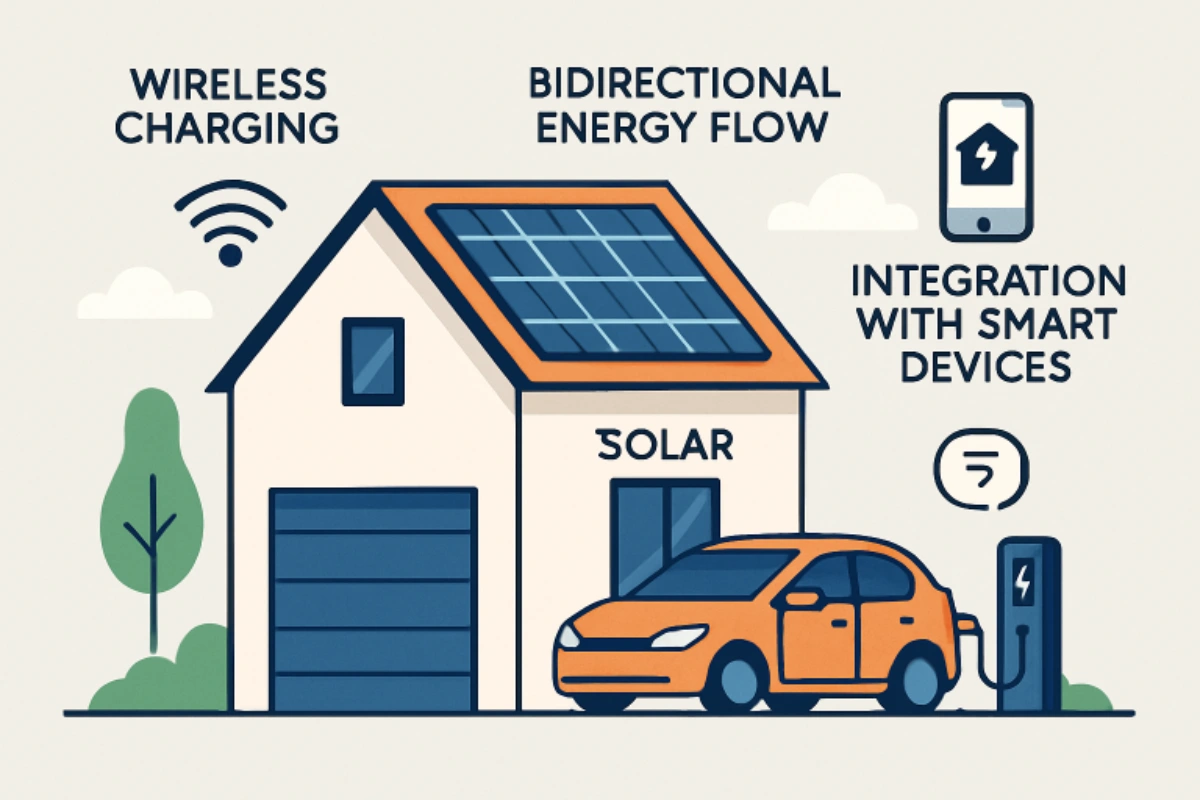
Wireless, or inductive, charging is one of the most exciting new frontiers for home EV charging. Instead of plugging in with a cable, you simply park your vehicle above a charging pad, making it an ideal complement to a modern electric vehicle charging station. This cable-free approach eliminates daily hassle, reduces trip-and-fall risk, and lessens mechanical wear on charging components. As the underlying technology matures to enable faster and more energy-efficient transfers, wireless charging could soon become the standard for new residential installations. Many manufacturers are already piloting wireless charging pads that blend seamlessly into your garage or driveway, offering maximum convenience with a minimal footprint.
Bidirectional Charging and Vehicle-to-Grid (V2G) Integration
Bidirectional charging, known as Vehicle-to-Grid (V2G), enables EVs to discharge energy back into your home or the broader power grid. This means your car can act as a backup generator during blackouts and help balance grid demand peaks by selling excess stored energy. As smart meters and dynamic pricing models expand, V2G integration could turn car owners into energy traders, allowing them to earn money while supporting a more resilient power infrastructure. Homeowners exploring V2G often rely on professional electrical installation service in Garfield Heights to ensure their systems are safely and efficiently connected. Major automakers and utility companies are actively investing in bidirectional charging pilots to pave the way for large-scale adoption in the years to come.
Smart Charging with AI and Mobile Apps
Artificial intelligence, the Internet of Things (IoT), and smart mobile applications are making home EV charging more responsive and cost-effective. AI-powered smart chargers learn your driving habits and then automatically schedule charging for periods of lowest grid demand and cost, which typically occur overnight or during solar surplus. Integration with cloud-based dashboards and smartphone apps provides remote control, real-time monitoring, and notifications, enabling users to optimize their electricity usage with actionable insights. For those who desire automation and fine-grained control, modern chargers offer connections to platforms like Alexa and Google Home, enabling voice-activated routines and energy management.
Solar-Powered Home Charging Stations
With rising electricity costs and increased focus on sustainability, pairing solar panels with residential EV charging is a compelling solution. A solar-integrated charging station allows you to tap into clean, renewable power generated right at your home, thereby directly reducing grid dependency and lowering your carbon footprint. According to the U.S. Department of Energy, solar systems convert sunlight into usable electricity that can power everything from household appliances to your electric vehicle. Storage advancements, like home battery systems, now enable homeowners to charge their EVs at night using solar energy collected during the day. This approach not only slashes emissions, but it can also dramatically reduce your long-term fueling costs while boosting your home’s energy independence.
Smart Home Ecosystem Integration
Today’s leading residential EV chargers are designed to fit easily into broader smart home systems. This enables advanced features such as scheduling based on time-of-use electricity rates, remote locking or unlocking of the charger, and real-time energy consumption tracking. Voice assistant compatibility and home automation integration enable you to instruct your charger via platforms like Apple HomeKit, adjust charging windows with a smart thermostat, or receive alerts on your phone when a session finishes. This convergence not only saves time but also helps you make smarter decisions about your overall household energy usage.
Enhanced Safety Features
Modern EV charging stations come equipped with an array of safety enhancements to ensure peace of mind. Features like ground fault circuit interrupters, automatic shutoff, temperature and current sensors, and robust surge protection shield your home from electrical hazards. For a better understanding of how these stations operate and where to find them, resources like the U.S. Department of Energy’s Alternative Fuels Data Center provide detailed information. As more chargers gain internet connectivity, manufacturers are also prioritizing cybersecurity by implementing encryption, secure user authentication, and automatic firmware updates to prevent unauthorized remote access and potential cyber threats.
Customizable Aesthetic Designs
EV charging stations are increasingly designed with both function and style in mind. Homeowners can now choose models with slimmer profiles, retractable cables, hidden wall mounts, or even underground pad placement, ensuring the setup blends effortlessly with modern architecture. Custom color options and modular accessories make it easy to match your charger with the exterior of your house, maximizing curb appeal while maintaining convenience and efficiency.
Practical Tips for Home EV Charging
- Assess Your Electrical System: Verify that your electrical panel can safely handle the load of a home charger. Consult a licensed electrician to evaluate or upgrade circuits for optimal performance and safety.
- Choose the Right Charger: Look for a charging station that supports your vehicle’s model specifications and charging speed preferences. Factor in compatibility, available smart features, and whether you’d benefit from a portable or hardwired unit.
- Optimize Charging Times: Program your charging sessions for off-peak hours, using smart functions to minimize costs and stress on the grid. Most modern home chargers support scheduling right from your phone.
- Research Incentives: Many state, local, and federal programs offer rebates, tax credits, or utility discounts for residential EV charger installation. Check the latest incentives available in your area with reputable sources, such as the AFDC Laws and Incentives Database.
Keeping up with new trends and taking practical steps ensures a seamless home EV charging experience that’s efficient, sustainable, and future-ready for the electrified road ahead.