





Improving your health and well-being does not always require a complete lifestyle transformation. Small, practical changes can make everyday routines more comfortable and sustainable.
Whether you want to sleep better, move more, eat healthier, or create a calmer home environment, there are plenty of wellness upgrades worth considering this year.
Improve Your Sleep Environment
Quality sleep is an important part of overall wellness. Instead of focusing only on how long you sleep, consider whether your bedroom supports restful sleep.
Keep the room comfortable, reduce unnecessary light and noise, and maintain a consistent bedtime when possible. A supportive mattress and comfortable bedding can also make your sleeping environment more inviting.
Reducing screen use before bed may also help you establish a calmer nighttime routine.
Make Healthy Eating Easier
Healthy eating becomes easier when nutritious choices are convenient.
Keep fruits, vegetables, whole grains, nuts, and other nutrient-rich foods readily available. Preparing some meals or ingredients ahead of time can also reduce the temptation to rely on less nutritious options when you are busy.
Rather than following restrictive diets, focus on building balanced eating habits that you can maintain over time.
Create a Simple Exercise Routine
You do not necessarily need an expensive gym membership to become more active. Walking, cycling, stretching, bodyweight exercises, and other activities can contribute to a more active lifestyle.
Start with realistic goals and gradually increase activity as your fitness and schedule allow. Choosing activities you actually enjoy can make consistency much easier.
If you have health concerns or have been inactive for a long period, consider speaking with a healthcare professional before beginning a demanding exercise program.
Upgrade Your Home Workspace
Many people spend significant portions of their day working at a desk. An uncomfortable workspace can make long working sessions more difficult.
Consider improving your chair, desk height, monitor position, and lighting. Keep frequently used items within easy reach and take regular movement breaks.
A more comfortable workspace can support better daily habits while reducing unnecessary physical strain.
Build a Stress-Reduction Routine
Stress is a normal part of life, but having healthy ways to manage it is important.
Simple activities such as walking outdoors, reading, listening to music, breathing exercises, journaling, or spending time with friends can help create periods of relaxation during a busy day.
You do not need a complicated wellness routine. Even a few minutes of intentional downtime can provide a useful break.
Pay Attention to Hydration
Staying adequately hydrated supports normal body functions. Keep water accessible throughout the day so drinking becomes part of your regular routine.
Individual fluid needs can vary based on factors such as activity level, climate, diet, and health. Instead of following a single rule that applies to everyone, pay attention to your body’s needs and follow medical advice if you have a condition that affects fluid intake.
Spend More Time Outdoors
Time outside can be a simple way to add movement and variety to your day. Walking through a park, gardening, cycling, or simply spending some quiet time outdoors can provide a break from screens and indoor environments.
Combining outdoor time with physical activity can make the habit even more useful.
Schedule Preventive Health Care
Wellness is not only about exercise and nutrition. Preventive healthcare also plays an important role.
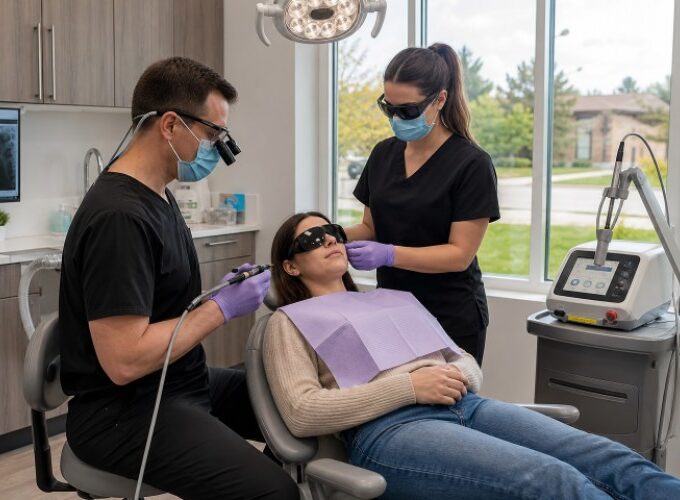
Keep up with recommended medical and dental appointments, vaccinations, screenings, and routine checks based on your age, health history, and individual risk factors.
Regular professional care can help identify potential problems early and give you an opportunity to discuss questions about your health.
Make Self-Care More Sustainable
Self-care works best when it fits naturally into your lifestyle. Instead of creating a long list of habits that becomes difficult to maintain, choose a few changes that genuinely improve your daily routine.
For example, you might establish a consistent bedtime, take a short daily walk, prepare healthier meals, or reserve time each week for an activity you enjoy.
Consistency is usually more useful than trying to make dramatic changes all at once.
Final Thoughts
Practical wellness upgrades do not have to be expensive or complicated. Better sleep habits, healthier meals, regular movement, stress management, a comfortable workspace, and preventive healthcare can all contribute to a healthier lifestyle.
Choose a few changes that fit your current routine and build from there. Small improvements made consistently can become meaningful long-term habits.