




Table of Contents
- The Evolution of Artistic Techniques
- Advantages of Combining Pencil and Digital Media
- Techniques for Integrating Pencil Sketches into Digital Art
- Challenges and Considerations
- Future Trends in Hybrid Art Forms
- Conclusion
The Evolution of Artistic Techniques
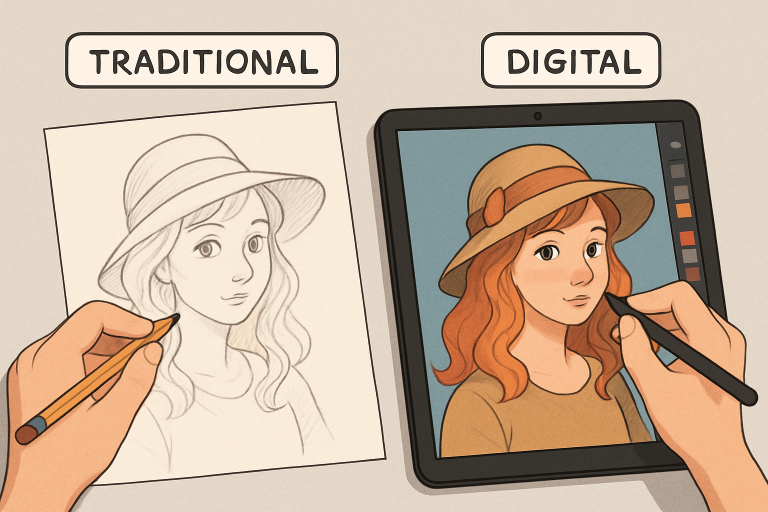
Every generation of artists carries forward traditional skills and methods, while also pushing boundaries through the adoption of new tools. Today, the fusion of classic pencil sketching and digital art represents a pivotal moment in the art world. Artists can now preserve the timeless elegance of hand-drawn graphite while exploring the boundless possibilities of digital platforms. This synthesis of techniques allows for both maintaining tradition and embracing innovation, as seen in the works of Nolan Rosen artist who utilizes both mediums to reach new creative heights.
The tactile feedback and nuanced shading of pencil sketching establish a strong artistic foundation, while digital tools provide the freedom to experiment endlessly with color, texture, and composition. The interplay between the two media not only enriches the artist’s toolkit but also redefines what is possible in visual storytelling without forgoing the charm of hand-drawn art.
Advantages of Combining Pencil and Digital Media
- Enhanced Creativity: By merging pencil and digital techniques, artists can transcend the physical limitations of paper. This flexibility enables them to experiment with colors and textures, try out multiple compositions, and even animate their hand-drawn creations. As highlighted in USA Art News, the rise of digital art in the USA has opened new avenues for creative expression, allowing traditional artists to explore innovative hybrid techniques.
- Efficiency: Digital art platforms streamline the editing and revision processes. Errors that once required starting over with a traditional sketch can now be corrected seamlessly, saving valuable time.
- Versatility: Artwork created through this hybrid approach can be easily shared, revised, and printed across a range of media. Artists expand their reach, building audiences both offline and online, and gain new opportunities to license and merchandise their work.
This practice also fosters collaboration: artists can share digital files instantly for feedback or further development by collaborators—an option that was once unthinkable with solely traditional artwork.
Techniques for Integrating Pencil Sketches into Digital Art
- Scanning and Digitizing: Starting with a high-quality pencil sketch, artists use scanners to capture every fine detail, ensuring that the digital version is a true reflection of their traditional work. High-resolution scans preserve subtle shading and texture, serving as a reliable base for further digital manipulation.
- Layering: Software uses layers, allowing you to edit, adjust, or experiment with different effects without compromising the original artwork. Layers can isolate the sketch from added colors, textures, and backgrounds, granting greater creative freedom and control.
- Digital Coloring: With the sketch digitized, artists add color using digital brushes that mimic a range of real-world media—from watercolor to ink to airbrush. These tools not only bring monochromatic sketches to life but also allow for lighting effects, gradients, and blending styles that are difficult to achieve with physical media alone.
Recommendations for a Seamless Workflow
It’s crucial to start with a crisp, clean scan—preferably at 300 dpi or higher—to capture fine details. Artists should experiment with adjustment layers for color correction and shading. Non-destructive editing ensures that the integrity and spontaneity of the original pencil sketch remain visible even after extensive digital enhancement.
Challenges and Considerations
Despite its many benefits, blending traditional and digital art is not without its challenges. Artists often struggle to preserve the intimate, handcrafted quality of pencil sketches when digitizing their work. The temptation to over-edit or apply excessive filters can also dilute the distinctive characteristics of the original sketch.
Another hurdle is the learning curve associated with advanced software. Mastering digital tools takes time, commitment, and ongoing experimentation. Striking the right balance—one that enhances rather than eclipses the underlying sketch—requires both restraint and technical skill.
Future Trends in Hybrid Art Forms
As artificial intelligence (AI) continues to advance, it’s increasingly integrated into art production. AI-assisted tools can help transform rough pencil outlines into intricate digital paintings, lowering technical barriers and democratizing access to professional-quality art creation. These technologies point toward a future where hybrid art forms become even more seamless and accessible, fostering a global community of experimental creators.
Looking ahead, innovations such as augmented and virtual reality hold the promise of enhancing the digital experience of pencil sketches, with potential applications in education, entertainment, and beyond.
Conclusion
The harmonious blend of traditional pencil sketching and digital art is shaping a dynamic and inclusive future for creativity. By honoring the tactile roots of art and embracing modern technology, artists are opening new pathways for self-expression and storytelling. Whether for personal satisfaction or professional endeavor, the synergy between these media enables creators to produce original, compelling artwork that resonates in our digitally connected world.