





Key Takeaways:
- Understand the differences between hot stamping and silver BOPP labeling techniques.
- Identify the pros and cons of each method for better-informed packaging decisions.
- Evaluate what factors are most important for your product labeling, including appearance, cost, and sustainability.
Table of Contents:
- Introduction
- Understanding Hot Stamping
- Exploring Silver BOPP
- Comparing Costs
- Durability and Suitability
- Design Flexibility
- Environmental Considerations
- Conclusion
Introduction
In today’s highly visual marketplace, product packaging plays a crucial role in attracting customers and communicating brand quality. Among the various labeling techniques available, hot stamping and silver BOPP stand out for their ability to deliver striking visual effects. However, each method comes with its own set of attributes, and choosing between them is an essential decision for brand owners. For a deeper dive into hot stamping vs BOPP, it’s helpful to understand the fundamental distinctions and what they mean for your product line.
Both hot stamping and silver BOPP are capable of enhancing the perceived value of a product, but with significant differences in execution, cost, durability, and sustainability. Making the correct choice requires a clear understanding of your product’s market positioning, usage environment, and design ambitions. Grasping these distinctions is vital for standing out on crowded shelves and earning consumer trust and loyalty.
The surge in premium product lines—from craft beverages to beauty and wellness—means that consumers are more discerning than ever before about the appearance and tactile experience of their packages. Hot stamping and silver BOPP each offer compelling ways to make a visual impression, but the technique you select will impact not only looks but also production efficiency and environmental footprint.
Let’s break down these two techniques, their pros and cons, and the essential considerations for your next packaging project.
Understanding Hot Stamping
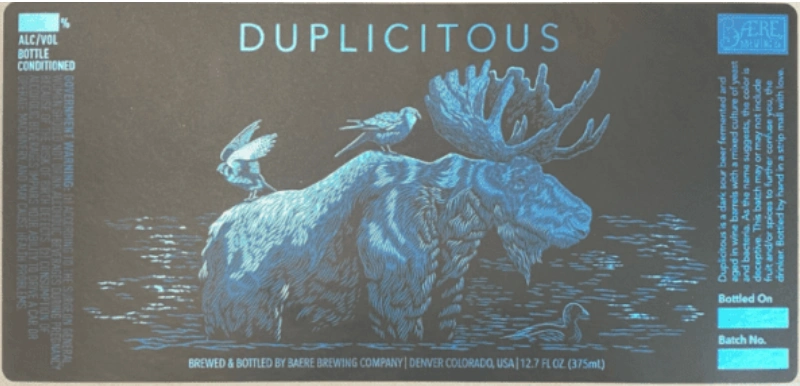
Hot stamping is a specialty print process that uses pressure and heat to transfer a thin layer of metallic or pigmented foil onto your label substrate. This process leaves a crisp, metallic, often raised design that is impossible to achieve with standard printing. It is the hallmark of ultra-premium packaging—think prestige spirits, cosmetics, and luxury confectionery—where first impressions and shelf impact are critical.
Pros of Hot Stamping
- Premium Look: Hot stamping delivers an unmistakable high-gloss metallic effect that is tactile and visually superior, synonymous with luxury branding.
- Unique Aesthetics: The process can create foil embossing and intricate detailing, which is impossible with digital or flexographic print alone.
- Brand Differentiation: Hot-stamped labels effectively differentiate premium products from competitors, enhancing consumer appeal.
Cons of Hot Stamping
- Cost: The custom metal dies and labor-intensive setup drive up production costs, especially for smaller runs.
- Speed: The process is slower than conventional digital or flexo printing due to its manual and precision nature.
- Material Limitations: Hot stamping may not be compatible with all substrates and performs best on specific papers and selected plastics.
Exploring Silver BOPP
Silver BOPP is a synthetic, metallic-looking film that is ideal for products requiring resilience without compromising shelf appeal. Thanks to its water-resistant and oil-resistant properties, it’s a mainstay for food, beverage, and bath & body labels. Advanced flexographic or digital presses can print over silver BOPP, offering endless possibilities for striking yet practical designs.
Importantly, silver BOPP combines durability with cost-efficiency, making it a popular choice for mid-range brands seeking a sophisticated look without premium-level costs. It can be used to achieve various effects, from metallic gradients to simulated hot foil, all via standard print methods.
Pros of Silver BOPP
- Resilience: Excellent resistance to moisture, oils, and abrasion, making it ideal for products exposed to harsh handling environments.
- Cost-Effective: No need for custom dies and works well for short or large runs, lowering both fixed and variable costs.
- Versatile Printing: Can be printed with a wide array of inks for full-color, photorealistic designs with metallic effects.
Cons of Silver BOPP
- Lower Tactile Impact: Unlike hot stamping, silver BOPP doesn’t create a raised texture; the “luxury” is visual, not physical.
- Plastic Material: Since it’s a plastic substrate, environmental considerations are relevant if recyclability is a concern.
Comparing Costs
Cost often drives packaging decisions. Hot stamping is generally more expensive due to the custom tooling and setup involved. Smaller batch runs make this discrepancy even more acute because the cost of dies is amortized over fewer units. Silver BOPP, however, is available in various roll sizes, printed on demand without tooling costs, and produced swiftly—making it a budget-friendly solution for brands ranging from indie startups to established names. For broader insights on packaging costs, check out Packaging Digest.
Durability and Suitability
If labels need to withstand moisture, handling, or exposure to oils—such as for bath products, refrigerated foods, or beverages—silver BOPP’s synthetic composition is ideal. Hot stamping, for all its beauty, relies on the quality of the foil and substrate; under challenging conditions, it may exhibit wear or lose some of its luster over time. Carefully consider where and how your product will be used to prioritize the right properties for your application.
Design Flexibility
Both labeling techniques offer flexibility, but in different forms. Hot stamping unlocks dimension and metallic tones with an unmistakable feel. Brands that want to incorporate a raised logo or detailed foil design will favor hot stamping for its tactile appeal.
Silver BOPP, on the other hand, grants full access to the palette and high-detail, multi-color printing, all while imitating metallic effects. This flexibility allows designers to get creative with gradients, shadows, and simulated foil effects—things that standard hot stamping may find technically limiting.
Environmental Considerations
Modern consumers and retailers are demanding responsible packaging. Hot stamping typically uses metallic foils, which may hinder recycling and increase energy consumption during production. However, innovations in biodegradable foils and sustainable substrates are emerging. Silver BOPP is recyclable in some municipal waste streams, but as a plastic film, it raises questions about its long-term sustainability. When making your selection, consider the complete lifecycle of the label. For trends in sustainable packaging, Packaging Strategies offers regular updates on eco-friendly solutions and industry advancements.
Conclusion
Choosing between hot stamping and silver BOPP labeling comes down to a careful evaluation of your specific needs. If luxury perception and tactile effect are key, and your budget allows, hot stamping offers unmatched shelf presence. For brands seeking durability, cost-effectiveness, and versatile design, silver BOPP provides an impressive metallic look with excellent practical benefits. Whichever you select, ensure it aligns with your broader goals, aesthetic vision, and environmental values. Thoughtful label selection not only elevates your product but also strengthens your brand for the long haul.