




Key Takeaways
- Smart IT solutions optimize business operations and reduce costs.
- Implementing technologies like AI and IoT enhances productivity.
- Proactive IT support prevents downtime and maintains system health.
Table of Contents
- Enhancing Productivity with AI and ML
- Energy Management Systems: Reducing Consumption
- Proactive IT Support for Business Continuity
- Streamlining Communication Across Teams
- Overcoming Barriers to Digital Transformation
- Conclusion
In today’s fast-paced business environment, organizations face increasing pressure to operate efficiently while maintaining high service standards. Technology plays a pivotal role in achieving these goals, offering tools that streamline operations, reduce manual workload, and improve overall productivity. By leveraging intelligent systems and automation, companies can better manage their resources, ensure smoother workflows, and make data-driven decisions that support long-term growth. Integrating smart IT solutions enables teams to focus on strategic initiatives rather than getting bogged down by repetitive tasks, creating a more agile, responsive organization.
Companies like Design Data have shown that thoughtfully implemented technology can transform everyday processes into more efficient, manageable operations. From optimizing communication channels to simplifying complex project management tasks, these solutions help organizations respond quickly to changing demands. Emphasizing adaptability and intelligent design, smart IT solutions foster a work environment where efficiency and innovation go hand in hand.
Enhancing Productivity with AI and ML
Artificial Intelligence (AI) and Machine Learning (ML) are more than buzzwords: they are game changers for business efficiency. AI-driven software can analyze vast amounts of operational data in real time, turning insights into actionable steps that boost productivity. For example, algorithms can forecast peak demand periods and dynamically adjust resource allocation to ensure optimal performance and reduced waste. This level of automation improves accuracy and saves valuable staff time, making operations more agile and cost-effective.
Energy Management Systems: Reducing Consumption
Energy Management Systems (EMS) are critical for organizations seeking to optimize energy budgets and reduce environmental impact. By integrating IoT sensors, smart meters, and automated controls, EMS platforms oversee everything from lighting to HVAC. These tools can identify patterns in energy usage and suggest automated adjustments or user alerts that prevent unnecessary consumption. Occupancy-based systems, for example, turn off lights and lower heating in vacant rooms, resulting in potential savings of up to 40% depending on building type and usage.
Beyond immediate cost savings, the insights offered by EMS help organizations develop long-term sustainability strategies and enhance their corporate social responsibility profiles, which increasingly influence customer and investor decisions.
Proactive IT Support for Business Continuity
Unplanned outages and data losses can be devastating, disrupting everything from payroll to customer service. Proactive IT support takes a preventive stance by continuously monitoring networks, automatically applying software updates, and resolving minor glitches before they escalate into major problems. Scheduled audits and health checks help maintain system stability and security while compliance frameworks are consistently enforced.
This approach means less downtime, higher employee morale, and a better customer experience. Proactive support is especially critical for industries with strict privacy or uptime requirements, such as healthcare, legal, and finance.
Streamlining Communication Across Teams
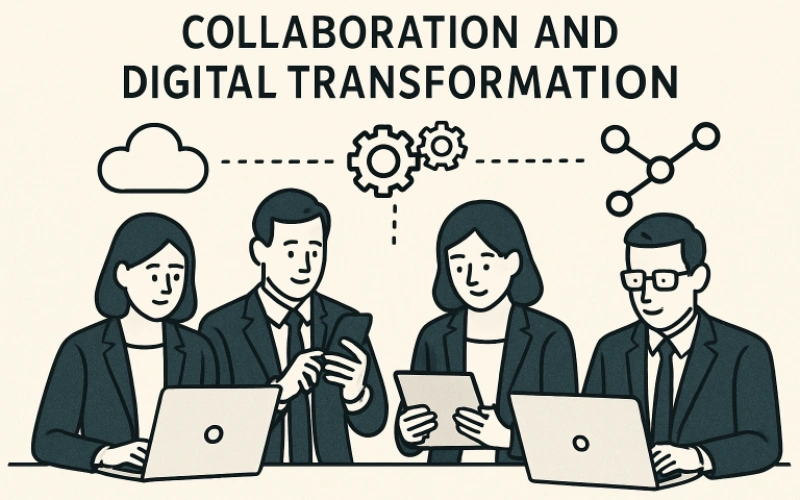
Seamless collaboration is the backbone of a high-efficiency workplace. Today’s unified communication platforms consolidate meetings, chats, file sharing, and project management into a single interface, reducing time wasted searching for emails or switching between apps. This enables teams in different locations to access the most current information and maintain transparency as projects evolve. Robust permissions and encryption also ensure sensitive data is accessible only to the right people.
Adopting all-in-one communication solutions not only accelerates workflows but also cultivates a more inclusive and accountable organizational culture.
Overcoming Barriers to Digital Transformation
Embracing digital transformation comes with challenges, including resistance to change, upfront costs, and the need for new skills. Yet the long-term advantages far outweigh the obstacles. Equipping staff with modern tools and training can boost morale and productivity, while fostering a culture that values continuous improvement. For building owners and managers, AI-driven solutions not only enhance efficiency but also increase property values and net operating income.
Organizations determined to lead into the future make digital transformation a continuous, strategic priority, investing in technology to drive sustainable growth and adaptability.
Conclusion
Staying competitive in a digital world means integrating smart IT solutions at all levels of the organization. From harnessing AI and EMS to establishing proactive support systems and unified communication platforms, the benefits are clear. Efficiency, security, and flexibility are now within reach for any business willing to invest in intelligent IT strategies. Creating a connected, future-proof workplace is not just possible; it is essential for ongoing success.