




Healthy trees enhance the appearance and value of your landscape, provide shade, support local wildlife, and contribute to the overall well-being of your property. However, promoting tree vitality is not just about aesthetics; it’s also about ensuring public safety and preventing potential hazards, such as falling branches or tree failure. Whether you are a homeowner or manage commercial land, applying the correct tree care methods will significantly reduce risks and prolong the life of your trees. For property owners looking for expert guidance, consulting an arborist Colleyville is an ideal way to start responsible tree care and maintenance practices.
Tree health management demands more than just occasional watering or trimming—thoughtful inspections, strategic treatments, and safety measures are critical at every step. These best practices, tailored to the growing season and environmental pressures specific to your region, ensure that trees remain robust, safe, and beautiful year after year.
Regular Inspections
Seasonal tree assessments are one of the most crucial steps a property owner can take. Visual inspections allow you to catch early warning signs of stress, such as wilting leaves, visible wounds, dead branches, and fungal growth that indicate rot or disease. Attention to cracks in trunks, unusual lean, or exposed roots can reveal structural weaknesses that might pose hazards during storms. By addressing these issues early, you can often avoid more extensive damage and costly removals down the road. As the USDA highlights in this guide, regular inspections help spot invasive pests and other risks that threaten tree health. Remember, regular inspections should be conducted at least once per season—spring and fall are ideal times due to significant environmental changes.
Proper Pruning Techniques
Pruning removes damaged, diseased, or unwanted branches while shaping the tree for optimal growth. The timing and method of pruning have a direct impact on a tree’s lifespan and resilience. Use sanitized, sharp tools to create clean cuts and minimize harm. Avoid removing more than 25% of a tree’s canopy at any one time, as this can stress the tree and make it susceptible to pests and diseases. Dormant season pruning, typically late winter or early spring, reduces stress and the likelihood of pest infestations. Remember, improper pruning may compromise structural integrity and lead to future failures.
- Always cut just beyond the branch collar—never flush with the trunk or main stem.
- Do not leave stubs, as they attract pests and pathogens.
- Selective thinning helps wind pass through the canopy, reducing storm damage.
Adequate Watering and Mulching
Maintaining consistent soil moisture is crucial to tree health, particularly for young or newly planted trees that have not yet established extensive root systems. During dry periods, water deeply but infrequently, focusing on the area under the tree’s drip line (where the outermost branches end). Overwatering can be just as harmful as drought, so monitor soil moisture carefully.
- Watering: Mature trees generally require less frequent watering but benefit from deep root soaking during prolonged dry spells.
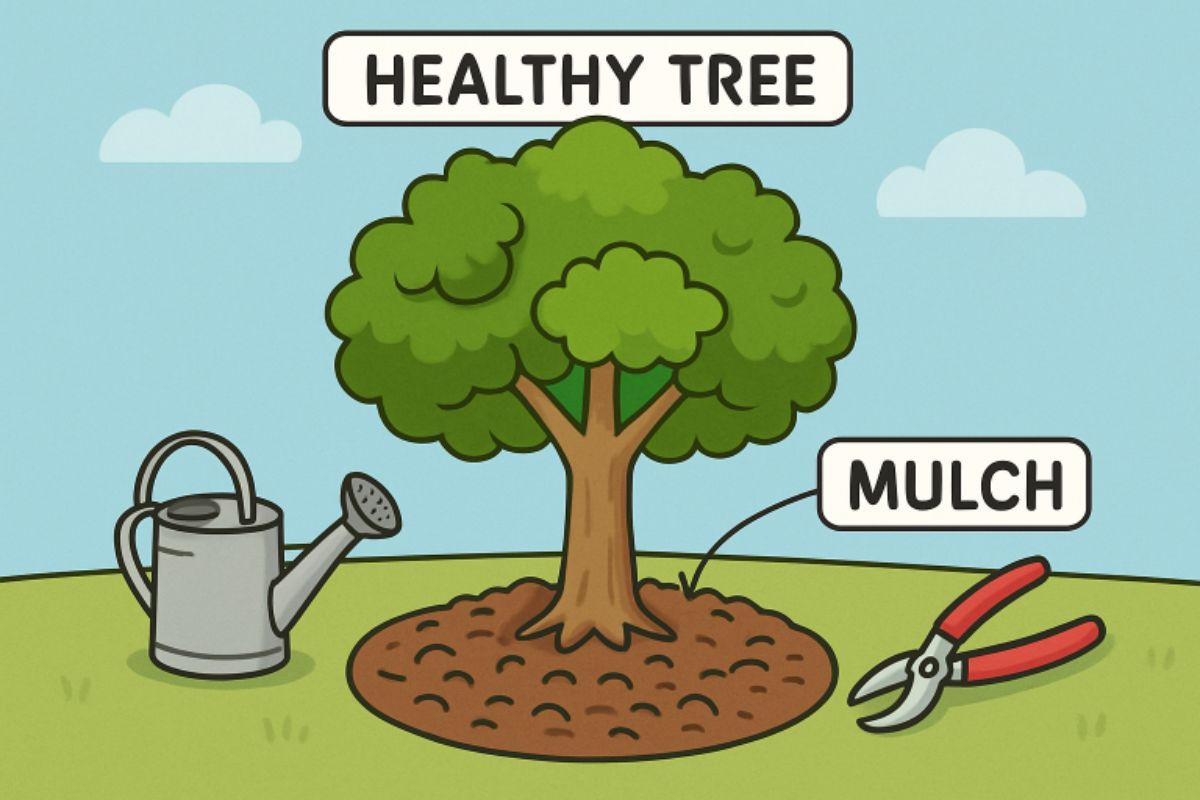
- Mulching: A 2-3 inch-thick ring of organic mulch around the base helps regulate soil temperature and conserve moisture. Keep mulch away from direct contact with the tree trunk to prevent bark rot and fungal disease.
Protecting Trees During Construction
Construction projects, from home additions to landscaping, can inflict serious injury on tree roots, compact the soil, and damage trunks or branches. To minimize impact, clearly mark the drip line or root zone with fencing or signage and instruct workers to avoid this area. Shield trunks with protective boards and limit foot or vehicle traffic to reduce harmful compaction. Consulting a certified arborist ahead of construction helps establish a tree preservation plan tailored to your specific site and project goals.
Pest and Disease Management
The presence of pests or pathogens rarely resolves on its own and can quickly escalate into widespread decline or loss. Regularly check leaf surfaces, bark, and root areas for signs like chewed foliage, sticky residue, holes, abnormal swelling, or unusual insect activity. Document and respond to early symptoms to prevent infestations from spreading. Integrated pest management strategies, including beneficial insects, selective treatments, and the elimination of infected plant material, provide eco-friendly control.
Taking proactive steps not only protects the health of your trees but also safeguards the surrounding landscape. Consistent monitoring ensures issues are caught early before they become more difficult and costly to manage.
Healthy trees are more resilient against pests, diseases, and environmental stressors. By combining vigilance with sustainable care practices, you create long-term protection for your trees and property.
Safety Measures for Tree Care
The presence of pests or pathogens rarely resolves on its own and can quickly escalate into widespread decline or loss. Regularly check leaf surfaces, bark, and root areas for signs like chewed foliage, sticky residue, holes, abnormal swelling, or unusual insect activity. Document and respond to early symptoms to prevent infestations from spreading. Integrated pest management strategies, including beneficial insects, selective treatments, and the elimination of infected plant material, provide eco-friendly control.
According to U.S. News, tree health depends on a proactive approach that balances routine inspections with timely interventions. Taking proactive steps not only protects the health of your trees but also safeguards the surrounding landscape. Consistent monitoring ensures issues are caught early before they become more difficult and costly to manage.
Healthy trees are more resilient against pests, diseases, and environmental stressors. By combining vigilance with sustainable care practices, you create long-term protection for your trees and property.
Consulting Professional Arborists
Although frequent care and vigilance by property owners are vital, certain situations call for the knowledge and experience of professionals. Certified arborists perform in-depth health assessments, create long-term care plans, diagnose complex issues, and handle advanced treatments or removals. Additionally, they can provide recommendations for planting, species selection, and ongoing management, ensuring your landscape goals align with the healthiest outcomes for your trees. Adopting these best practices ensures the long-term health and safety of your trees, creating a thriving, secure landscape that offers lasting beauty and benefits for years to come.