




Table of Contents
- Introduction
- Safe Handling and Installation
- Regular Inspections
- Corrosion Prevention
- Cleaning and Maintenance
- Temperature and Pressure Monitoring
- Proper Storage
- Training and Awareness
Carbon steel pipes are foundational components across multiple industries, including construction, petroleum, and municipal water supplies. Their robust properties ensure impressive durability and performance when handled and maintained correctly. For businesses seeking a reliable supplier of steel pipe Tulsa, OK, it’s imperative to understand the best practices for safe usage and care. A strong focus on maintenance empowers teams to maximize life expectancy and minimize operational hiccups. Mistakes during installation, lapses in inspection routines, and improper storage can drastically reduce a carbon steel pipe system’s functional lifespan. Adhering to rigorous safety protocols, corrosion prevention, and proper training ensures the pipes continue to perform under demanding conditions, shielding both productivity and safety.
Safe Handling and Installation
Carbon steel pipes can be exceptionally heavy and prone to damage when mishandled. Always use lifting equipment designed for the diameter and length of the pipe being moved. Forklifts, cranes, and slings are common options, but they must be operated by trained personnel to minimize risk. Never drop, drag, or strike pipes, as even minor dents or scratches can compromise structural integrity. During installation, ensure the area is clear and that all surfaces are level. Pipes must be aligned precisely, and connections securely fastened based on manufacturer recommendations. Proper gaskets, sealing materials, and torque should be used to prevent leaks and reduce mechanical stress points.
Regular Inspections
Routine inspections are crucial for early detection of weak points in the pipe, especially at joints, bends, and welds. Best practices include recording findings and repair actions in maintenance logs, using non-destructive testing methods like ultrasonic thickness testing, and inspecting supports, brackets, and neighboring components. Consistency in inspections extends system life, ensures regulatory compliance, and improves operational safety.
Corrosion Prevention
Carbon steel pipes face corrosion, particularly when exposed to moisture, chemicals, or salt. To slow degradation, adopt protective coatings like epoxy, polyurethane, or galvanization. Sacrificial anodes or impressed current systems can counteract electrochemical reactions, extending asset life in underground or submerged pipes. Environmental controls, such as sheltering pipes and ensuring adequate ventilation, can reduce exposure to corrosive substances and implement water- and chemical-resistant barriers.
Cleaning and Maintenance
Regular cleaning to remove debris, mineral accretions, or corrosive residues safeguards performance and protects the pipe’s structural surface. To avoid accidental surface degradation, use mild, non-abrasive chemicals compatible with carbon steel. For internally transporting pipes, regular flushing protocols eliminate buildup and blockages caused by sediments or process materials. Where feasible, adopt automated pigging systems or internal scale-inhibiting treatments to maintain unobstructed flow and reduce manual intervention.
Temperature and Pressure Monitoring
To prevent pipe failures, install accurate sensors, set alarms for deviations, and regularly recalibrate equipment. Install pressure relief valves and insulation to protect against fluctuations. Regularly replace worn sensors and ensure ongoing reliability. Preventative measures like pressure relief valves and insulation can also help prevent damage to the pipe system.
Proper Storage
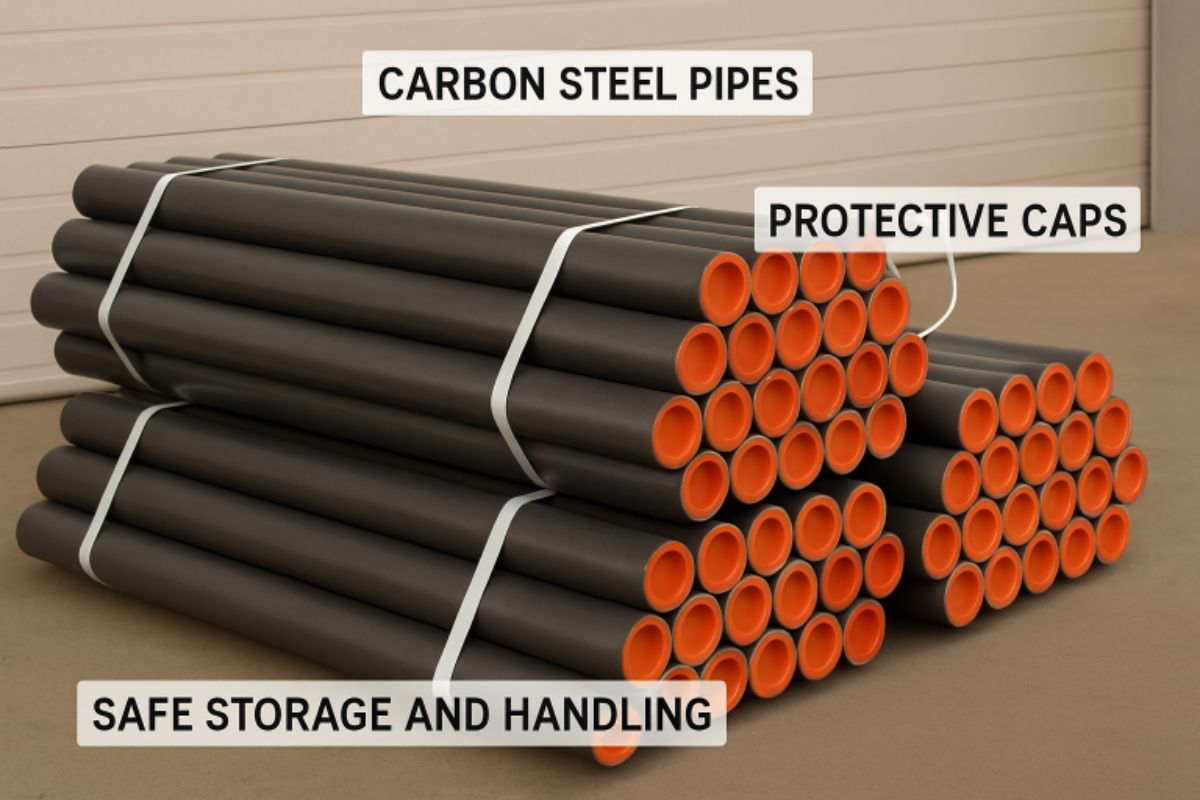
The condition of carbon steel pipes depends on their storage. Store them in dry, covered areas off the ground to prevent dirt, debris, and moisture contact. Use supports to prevent flat spots or warping. Cover pipe ends with caps or plastic sheeting to keep out water and wildlife. Organize inventory for air circulation and avoid storing pipes beneath trees or falling objects to minimize impact damage or contamination.
Training and Awareness
Training personnel on the proper operation of equipment is crucial. It should cover installation, maintenance, incident response, and emergency repairs. Regular refresher courses are recommended. Encouraging employees to report hazards promptly promotes a safety culture. Accessible reference materials and visual aids can improve performance. This investment in human capital can reduce accident rates and downtime.
In conclusion, meticulous attention to carbon steel pipe handling, storage, inspection, and maintenance supports operational longevity and safety. Adopting these practices protects your investment and ensures your pipeline infrastructure remains robust and reliable for years to come.