




Getting a tattoo is a personal decision, but circumstances can change over time. Some people may eventually want to remove a tattoo because their preferences have changed, the design no longer feels meaningful, or they simply want clear skin again. This often leads to an important question: can all tattoos be completely removed?
The short answer is that tattoo removal has improved significantly, but complete removal is not guaranteed in every case. Several factors can influence how much of a tattoo can be eliminated and how many treatments may be required.
How Does Tattoo Removal Work?
Professional tattoo removal usually works by targeting the ink particles beneath the surface of the skin. Laser treatments are among the most commonly used options. The laser delivers controlled energy that breaks tattoo pigment into smaller particles, which the body’s natural processes can gradually clear.
Because tattoo ink sits at different depths in the skin, multiple treatment sessions are often necessary. The skin also needs time to recover between appointments, so removal is generally a gradual process rather than something that happens in one visit.
Can Every Tattoo Be Completely Removed?
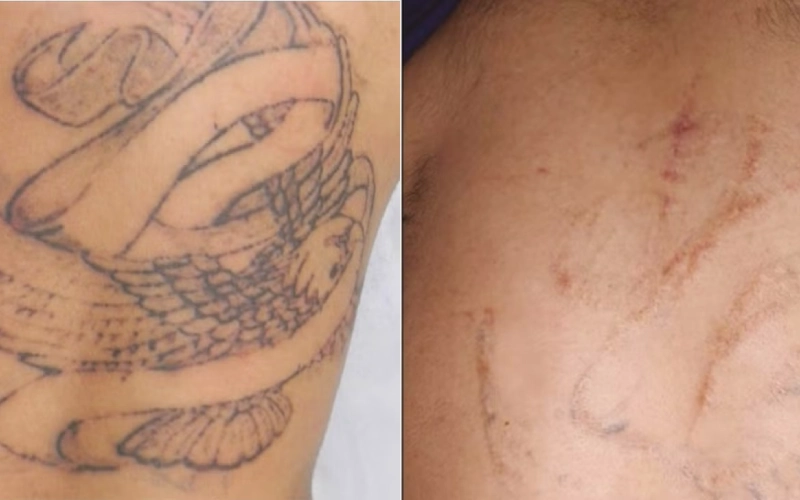
Not every tattoo can be guaranteed to disappear completely. Some tattoos respond very well to treatment and may become extremely difficult to see. Others can leave behind faint pigment, a slight shadow, or changes in skin appearance.
The final result depends on the type of ink, colors used, tattoo depth, size, location, and individual skin characteristics. Older tattoos may sometimes respond differently from newer ones, while professionally applied tattoos can contain pigment at varying depths.
Tattoo Color Matters
The colors used in a tattoo can have a significant effect on removal. Dark pigments, particularly black ink, often respond well to certain laser wavelengths. Some lighter or unusual colors can be more challenging because they may require different treatment approaches.
A professional evaluation can help determine which wavelengths or techniques may be appropriate for the specific colors in a tattoo.
The Size and Location of the Tattoo
Larger tattoos generally require more time and treatment sessions than smaller designs. Location can also influence the removal process because blood circulation and other characteristics vary across different parts of the body.
Tattoos located farther from the center of the body may sometimes respond differently than tattoos on areas with stronger circulation. A qualified professional can evaluate the tattoo and provide a more realistic expectation.
How Many Sessions Are Needed?
There is no universal number of sessions that works for every tattoo. Some tattoos may show noticeable fading after several treatments, while others can require a longer treatment plan.
The time between sessions is also important because the skin needs to recover and the body needs time to process fragmented ink particles. Attempting to remove a tattoo too aggressively can increase the risk of unwanted skin reactions.
Can Tattoo Removal Leave Scars?
Modern tattoo removal techniques are designed to target tattoo pigment while minimizing damage to surrounding skin, but side effects can still occur. Temporary redness, swelling, sensitivity, or changes in pigmentation may develop after treatment.
The risk of scarring or other complications can depend on the individual’s skin, previous treatments, tattoo characteristics, and the technique being used. Choosing an experienced and properly qualified professional is important.
What About Homemade Tattoo Removal Methods?
People may find various home remedies or DIY tattoo removal suggestions online, but these approaches can be risky. Scrubbing, applying harsh chemicals, or attempting to damage the skin can lead to burns, infections, scarring, and permanent changes in skin texture.
Professional assessment is a much safer approach when someone wants to reduce or remove unwanted tattoo ink.
Final Thoughts
Tattoo removal has become more advanced, but completely removing every tattoo cannot be guaranteed. The final outcome depends on many factors, including ink color, tattoo size, depth, location, skin characteristics, and the treatment method used.
If you are considering tattoo removal, a professional consultation can help you understand what results may realistically be possible. Rather than expecting every tattoo to disappear after a single treatment, it is better to view removal as a gradual process that may require several carefully planned sessions.