





Key Takeaways
- Pest activity can change with heat, rain, drought, and indoor moisture.
- Sealing entry points and correcting leaks can prevent many common problems.
- Food, standing water, clutter, and yard debris can attract insects and rodents.
- Brief seasonal inspections make it easier to find warning signs early.
- Integrated Pest Management emphasizes prevention, identification, monitoring, and targeted control.
- Repeated signs, structural damage, nests, or activity inside walls may require professional attention.
Weatherford homeowners deal with changing conditions throughout the year, from hot, dry stretches to heavy rain and sudden cool fronts. Those shifts can change where insects and rodents look for food, water, and shelter. A prevention-first routine can reduce the conditions that make a property inviting, while helping residents recognize when professional pest control services may be needed for persistent or hidden activity. A clean home is helpful, but housekeeping alone cannot solve every pest concern. Small gaps around utility lines, plumbing leaks, crowded landscaping, damp storage areas, and outdoor debris can all create access or shelter. Checking these areas regularly is often more effective than waiting until pests are visible indoors.
Why Year-Round Prevention Matters in Weatherford
Pests do not follow a neat calendar. Warm conditions can keep many insects active, while periods of rain can leave damp areas around foundations, gutters, and landscaping. When temperatures drop or storms arrive, rodents, spiders, and other pests may seek quieter, more protected indoor spaces. The practical goal is to remove the basics pests need: reliable food, water, shelter, and a way inside. For households facing recurring sightings or difficult-to-identify issues, seeking informed guidance on professional pest control can be a sensible next step after basic cleanup and repairs.
How Weather Can Affect Pest Activity
Rain and Standing Water
Rain can fill containers, clog gutters, and create wet spots that persist near a home. Empty buckets, toys, plant saucers, and other containers after rainfall. Make sure downspouts direct water away from the foundation, and correct low spots where water collects repeatedly.
Heat and Dry Conditions
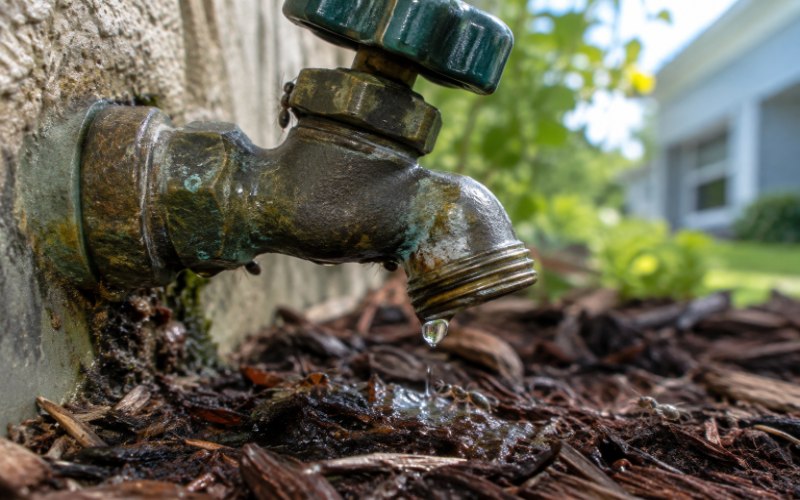
During hot, dry weather, pests may gather around sources of moisture, such as irrigation, leaking faucets, air-conditioning drainage, and shaded mulch beds. Check hose connections, outdoor faucets, condensate lines, and landscape irrigation for drips or oversaturated soil.
Cool Fronts and Temperature Drops
Cooler weather can make sheltered areas more appealing. Inspect garage corners, attic access points, crawl spaces, storage rooms, and openings where pipes or cables enter the building. A gap that seems minor can still provide an entry route for small pests.
A Seasonal Pest-Prevention Checklist
Spring
- Examine the foundation, siding, doors, windows, and screens for cracks or damage.
- Replace worn door sweeps and weather stripping.
- Trim branches and shrubs so they do not rest against siding or rooflines.
- Clear leaves, fallen branches, and excessive mulch from exterior walls.
- Watch for termite warning signs, including mud tubes, shed wings, or damaged wood.
Summer
- Remove standing water from outdoor containers and keep gutters flowing.
- Keep trash lids closed and rinse food residue from recycling bins.
- Store pet food, birdseed, and pantry staples in sealed containers.
- Inspect patios, sheds, play areas, and outdoor kitchens for nests, webs, or ant trails.
- Check shaded areas near hoses, faucets, and mulch for excess moisture.
Fall
- Seal openings around vents, pipes, utility lines, cable entries, and garage doors.
- Clean leaves from gutters and foundation planting beds.
- Move firewood, lumber, and stored materials away from exterior walls.
- Look for droppings, gnaw marks, nesting material, and unfamiliar odors.
- Organize garages and storage rooms so activity is easier to spot.
Winter
- Inspect attics, utility rooms, wall-adjacent storage, and other warm, quiet spaces.
- Reduce cardboard clutter that can offer shelter to insects and rodents.
- Repair plumbing leaks and address condensation around pipes or appliances.
- Recheck vents, screens, siding, and foundation joints for damage.
Common Attractants Around the Property
Kitchen crumbs, open trash, unwashed recyclables, ripe fruit, and pet food left out overnight can provide food. Leaks, clogged gutters, plant trays, birdbaths, and poor drainage can provide water. Dense shrubs, woodpiles, cardboard boxes, and gaps near windows or utility lines can supply shelter or access. These conditions are manageable when addressed one at a time. Start with moisture problems, then move to food storage and exterior maintenance. This order helps because moisture can support several pest problems at once, especially in kitchens, bathrooms, laundry areas, and spaces near the foundation.
Use an Integrated Pest Management Approach
Integrated Pest Management principles focus on prevention, accurate identification, monitoring, and selecting appropriate controls only when needed. This approach helps homeowners avoid treating every sighting as the same problem.
- Inspect: Look for moisture, damage, entry points, and visible evidence.
- Identify: Confirm what pest is present before selecting a response.
- Prevent: Remove food, water, shelter, and access routes.
- Monitor: Record where and when activity occurs to see whether it returns.
- Control: Choose the least disruptive effective option, and follow every product label.
Simple Repairs That Can Make a Difference
Replace damaged weather stripping, repair door sweeps, patch torn screens, and seal small gaps around pipes and utility lines. Repair roof, siding, and foundation damage promptly, and keep exterior vents protected with suitable screening. Improving drainage near the foundation can also reduce damp hiding places.
A 20-Minute Property Inspection
- Walk the exterior and inspect doors, windows, vents, rooflines, and foundation joints.
- Check for mud tubes, shed wings, droppings, webs, nests, gnaw marks, and damaged materials.
- Look in garages, sheds, attics, crawl spaces, and storage areas for clutter or moisture.
- Inspect kitchens, bathrooms, laundry rooms, and utility areas for leaks.
- Review gutters, mulch, firewood, outdoor containers, and drainage patterns.
- Write down the date, location, and type of activity so repeated signs are easier to track.
DIY Mistakes to Avoid
Do not use a product before identifying the pest, apply more than the label allows, mix pesticides or cleaners, or use outdoor products indoors. Avoid treating only the pests you can see while ignoring the leak, gap, clutter, or outdoor shelter that may be supporting the problem.
When Professional Help May Be Appropriate
Consider additional help when activity continues after cleanup and repairs, droppings or gnaw marks return, pests appear to be coming from walls or ceilings, termite signs are present, or stinging insects are nesting near entrances and play areas. Texas households can also use guidance on household pest prevention to understand better prevention methods and situations involving potential rodent-related health concerns or termite damage. For Weatherford-area residents seeking additional resources, Longhorn Pest Control provides information about professional pest management services in the area.
Final Checklist
- Seal visible gaps and repair damaged screens or sweeps.
- Fix leaks and eliminate standing water.
- Store food, pet supplies, and birdseed securely.
- Keep firewood, debris, and dense vegetation away from exterior walls.
- Inspect storage areas, attics, garages, and crawl spaces regularly.
- Track repeated pest evidence and act before the issue grows.
Consistent attention to moisture, access points, storage, and yard conditions can reduce many pest risks around Weatherford homes. Small maintenance tasks completed throughout the year are often easier to manage than a larger pest problem discovered later.