




Key Takeaways
- A home inspection report is a decision-making resource, not a guarantee that a home is problem-free.
- Safety hazards, water intrusion, structural movement, and failed major systems deserve immediate attention.
- Long reports are common. Focus on the severity and likely cost of issues, not the number of comments.
- Specialists may be needed to evaluate roofing, HVAC, electrical, plumbing, pools, termites, or foundation concerns.
- Arizona buyers should pay close attention to air conditioning, roof wear, drainage, termites, pools, solar equipment, and water systems.
Table of Contents
- What a Home Inspection Report Does
- The Main Sections of a Report
- How to Spot Serious Findings
- Arizona Issues That Need Extra Attention
- How to Rank Repairs
- When to Hire a Specialist
- How Findings Can Affect the Deal
- Useful Buyer Resources
- Common Buyer Questions
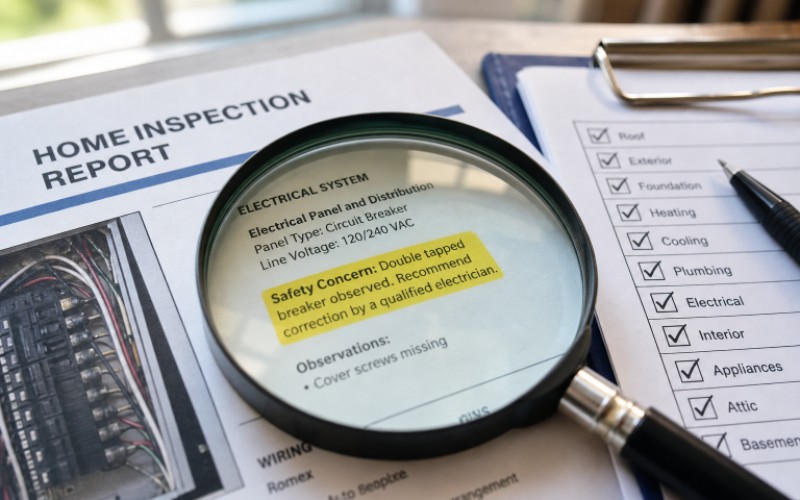
Receiving a home inspection report can feel overwhelming, especially when it contains dozens of photos, recommendations, and technical terms. For buyers, the report is not a pass-or-fail grade on the home. It is a practical tool for understanding the property’s condition, planning for repairs, and deciding what to address before closing.
When comparing homes and inspection findings across Southern Arizona, Tucson, AZ real estate experts 1912 Realty can help buyers put those details into a local market context. 1912 Realty provides home-search tools, buyer guidance, property valuation resources, and local real estate insight for communities including Tucson, Oro Valley, Phoenix, Scottsdale, and nearby Arizona markets. That local perspective can help buyers distinguish an expected maintenance item from a concern that may affect the value, safety, or long-term cost of a home.
What a Home Inspection Report Does
A standard inspection is a visual evaluation of accessible areas and visible systems. Inspectors commonly review the roof, foundation, electrical panel, plumbing fixtures, heating and cooling equipment, interior spaces, exterior surfaces, and major appliances. They generally do not open walls, move heavy furniture, remove flooring, or test every hidden component.
That limited scope explains why an inspection report can identify concerns without establishing the full cause or repair cost. A report may recommend further evaluation, but that recommendation is usually a signal to contact an appropriate licensed professional. It is not automatically proven that the system has failed.
The Main Sections of a Report
Most reports are organized by building system. Start with the summary, but read the full report before making decisions.
- Roof: Look for age-related wear, cracked tiles, damaged flashing, poor drainage, and evidence of leaks.
- Structure and site: Review visible cracks, grading, drainage paths, framing, walkways, and signs of movement.
- Electrical: Note panel conditions, grounding, outlets, exposed wiring, unsafe connections, and missing protective devices.
- Plumbing: Check supply lines, drains, water pressure, active leaks, water heaters, and irrigation where applicable.
- HVAC: Review equipment age, visible maintenance concerns, airflow, cooling performance, and heating operation.
- Interior and exterior: Consider windows, doors, walls, insulation, siding, patios, decks, and surface drainage.
- Photos: Use images to understand where the issue is located and whether it appears isolated or widespread.
How to Spot Serious Findings
Pay attention to descriptions such as “safety hazard,” “active leak,” “not functioning,” “improper installation,” “structural movement,” “immediate repair,” or “further evaluation recommended.” These phrases indicate that an issue may require timely action, but they do not by themselves determine the final repair bill.
A qualified contractor can clarify the scope, urgency, and estimated cost. For example, one roof tile out of place may be routine maintenance. Widespread broken tiles, deteriorated underlayment, and water staining below the roofline may point to a larger concern.
Arizona Issues That Need Extra Attention
Arizona homes face conditions that may not carry the same weight in every climate. Cooling performance, sun exposure, monsoon drainage, and outdoor equipment often deserve closer review.
- Air conditioning: Confirm the system cools effectively, ask about its age and service history, and note signs of strain or poor airflow.
- Roof wear: Heat and sun can affect tiles, coatings, sealants, and flashing. Check for water staining and drainage concerns.
- Drainage: Look at grading, washes, gutters, downspouts, and areas where runoff may collect near the foundation.
- Termites: A separate termite inspection may be worthwhile, particularly when there are signs of wood damage or the transaction calls for one.
- Pool and spa systems: Evaluate pumps, filters, barriers, plumbing, surfaces, and the age of major equipment.
- Solar equipment: Confirm whether panels are owned, leased, or financed, and review transfer requirements and maintenance responsibilities.
How to Rank Repairs
- High priority: Safety hazards, active water intrusion, major electrical defects, structural concerns, and failed essential systems.
- Medium priority: Aging equipment, minor plumbing leaks, roof repairs, or defects likely to become more expensive if delayed.
- Low priority: Cosmetic wear, loose hardware, minor drywall cracks, faded paint, and routine maintenance tasks.
Context matters. A cracked outlet cover is not the same as exposed live wiring. A slow-draining sink is not the same as a sewer line concern. Focus first on the issues that affect safety, habitability, or the ability to insure and finance the property.
When to Hire a Specialist
Bring in a specialist when the inspection identifies a concern outside a general inspector’s scope. A structural engineer may be appropriate for significant foundation movement. A licensed electrician can evaluate panels, overheating, or grounding issues. HVAC, roofing, plumbing, pool, and termite professionals can provide more targeted assessments and estimates. If indoor air is a concern, the EPA’s radon resources for the real estate community offer useful information about testing and mitigation.
How Findings Can Affect the Deal
Depending on the purchase contract and inspection deadline, buyers may accept the property as-is, request specific repairs, seek a closing-cost credit, negotiate a price adjustment, obtain additional inspections, or cancel within the allowed period. A focused request supported by inspection findings and contractor information is often more effective than a broad list of small cosmetic items.
Useful Buyer Resources
The Arizona Department of Real Estate property buyer’s checklist is a helpful reminder to review disclosures, inspection deadlines, utilities, irrigation, appliances, and termite considerations. It also reinforces an important buyer habit: verify material facts before signing documents or allowing deadlines to pass.
Common Buyer Questions
Should a buyer walk away because the report is long?
Not necessarily. Detailed reports often include routine maintenance notes. Review the priority items, obtain professional opinions where needed, and compare the likely costs with your budget and goals.
Can a buyer negotiate every repair?
Not always. Market conditions, the contract, seller expectations, and the seriousness of the issue all influence negotiations. Material defects usually deserve more attention than normal wear in an older home.
Are new homes free from inspection problems?
No. New construction can still have incomplete work, installation errors, drainage concerns, and mechanical defects. An independent inspection can still be valuable.
A home inspection report is most useful when it turns uncertainty into an action plan. Read the summary, study the photos, ask questions, obtain specialist input when needed, and keep every contract deadline in view. The strongest buying decision comes from the full picture, not from one alarming photo or one minor defect.