



Transforming a bathroom can completely change how a home feels and functions. Whether you are planning a full renovation or making a few targeted improvements, thoughtful design can turn an ordinary bathroom into a comfortable and practical space.
The key is to balance appearance with everyday usability. Before choosing finishes and fixtures, consider the available space, your budget, storage requirements, lighting, and how the bathroom will be used.
Start With a Clear Bathroom Plan
Before beginning any renovation, evaluate the existing bathroom.
Identify what works, what causes problems, and which features need the most attention. You may want to improve storage, replace outdated fixtures, change the layout, or simply create a more modern appearance.
Creating a realistic budget at the beginning can also help you prioritize improvements and avoid unnecessary spending.
Improve the Layout
A well-planned layout can make even a small bathroom feel more comfortable.
Think about the placement of the toilet, shower, bathtub, vanity, and storage. Avoid blocking natural pathways and make sure doors and drawers can open without interfering with other fixtures.
If you are changing plumbing locations, professional planning is especially important because moving pipes can significantly affect renovation costs.
Choose Practical Fixtures
Bathroom fixtures should match both the room’s style and its available space.
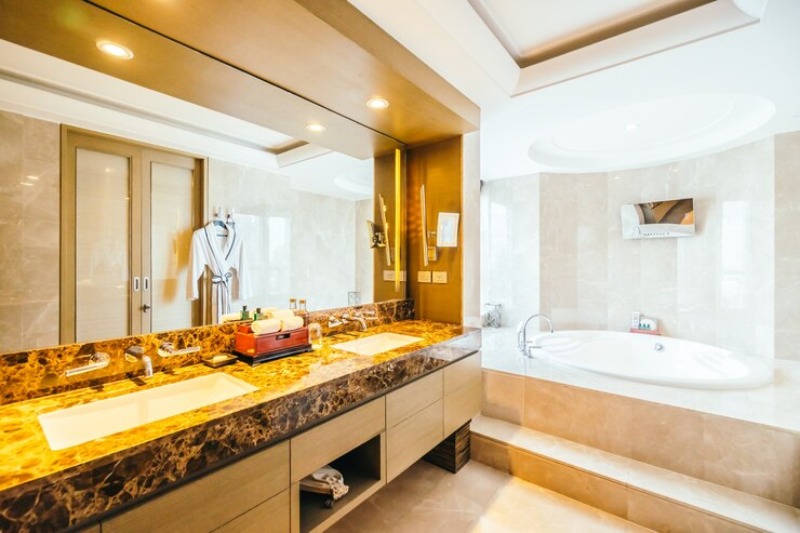
A compact vanity may work better in a smaller bathroom, while a larger room may accommodate a double vanity or freestanding bathtub. Water-efficient faucets, showerheads, and toilets can also help reduce unnecessary water consumption.
Choose fixtures based on durability, maintenance, comfort, and appearance rather than focusing only on current design trends.
Select Durable Materials
Bathrooms regularly experience moisture and humidity, so materials need to withstand those conditions.
Porcelain and ceramic tiles are popular choices for floors and walls because they are available in many styles and are relatively easy to maintain. Countertop materials should also be selected according to durability and resistance to moisture.
Consider maintenance before making your final selections. A beautiful material that requires constant care may not be the best choice for a busy household.
Upgrade the Lighting
Lighting can dramatically affect the appearance and functionality of a bathroom.
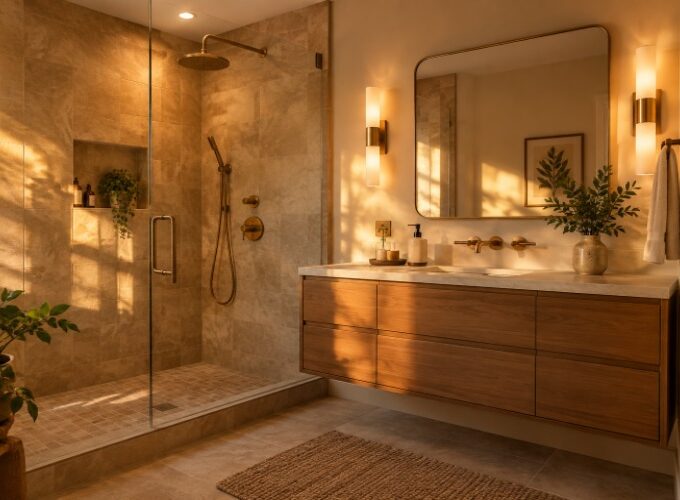
A combination of ambient, task, and accent lighting can provide better results than relying on one central fixture. Vanity lighting should provide enough illumination for grooming without creating harsh shadows.
Where possible, make use of natural light. Mirrors can also help reflect light and make a smaller bathroom appear more open.
Energy-efficient LED lighting is another practical option for many renovation projects.
Add More Storage
Good storage can make a bathroom feel cleaner and more organized.
Consider vanity drawers, medicine cabinets, recessed shelves, wall-mounted storage, or baskets for towels and everyday products.
Keep frequently used items easy to reach while storing less frequently used products out of sight. Using vertical wall space can be particularly useful when floor area is limited.
Create a Comfortable Shower Area
The shower is often one of the most frequently used parts of a bathroom, so comfort and functionality matter.
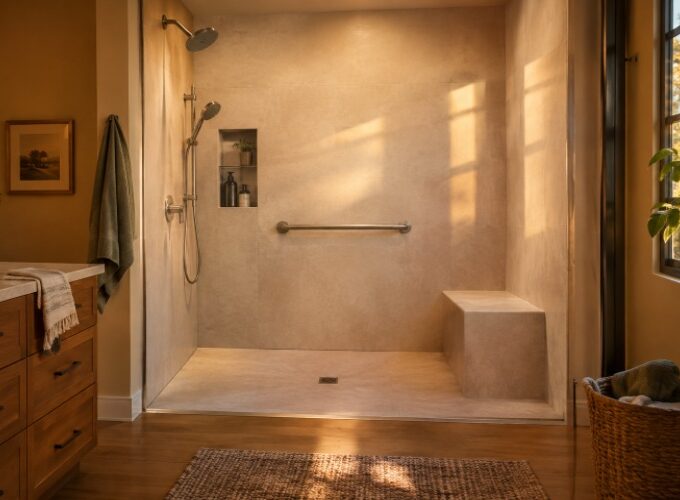
Depending on the available space, consider a handheld showerhead, adjustable controls, built-in shelving, or a glass enclosure.
Proper ventilation is also important. Removing excess moisture can help maintain a more comfortable environment and reduce moisture-related problems.
Consider Safety and Accessibility
A stylish bathroom should also be safe to use.
Slip-resistant flooring, adequate lighting, stable grab bars, and easily accessible controls can improve safety. These features can be particularly useful for older adults or anyone with mobility limitations.
Planning accessibility during a renovation can also make the bathroom more adaptable for future needs.
Add Personal Style
Once the practical elements are planned, introduce design details that reflect your preferences.
You can use tile patterns, paint colors, mirrors, hardware, towels, artwork, and other accessories to create a distinctive look.
Neutral finishes can provide a timeless foundation, while smaller decorative elements can be changed later when you want to refresh the room.
Make Maintenance Easier
A successful bathroom renovation should make everyday cleaning and maintenance manageable.
Choose surfaces that are easy to clean, provide adequate ventilation, and address leaks or damaged seals promptly.
Regular maintenance can help protect fixtures, flooring, walls, and other components from unnecessary damage.
Final Thoughts
Transforming a bathroom does not necessarily require an extravagant renovation. Smart planning, practical fixtures, durable materials, effective lighting, useful storage, and thoughtful design can make a major difference.
Start by identifying the improvements that matter most to your household, establish a realistic budget, and choose materials and features that combine style with long-term functionality.
With the right approach, even a modest bathroom can become a more comfortable, attractive, and useful part of the home.