





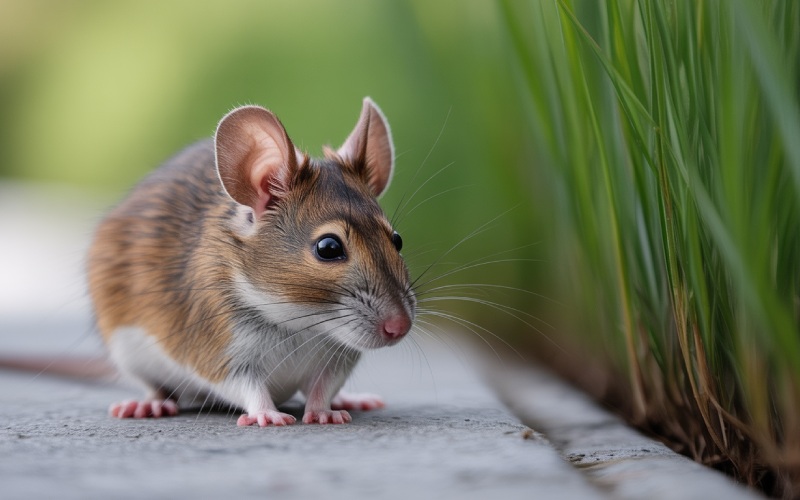
Controlling rodent populations is a significant concern for both urban and rural communities worldwide. Rodents, including rats and mice, are not only a nuisance but also pose serious health risks due to their ability to spread diseases, contaminate food, and cause structural damage. Despite advances in pest management techniques, effective rodent control remains a challenging task. This article explores the current challenges in rodent control and suggests future directions to enhance the effectiveness of these efforts.
Current Challenges in Rodent Control
Rodent control faces numerous obstacles, which complicate efforts to manage and reduce rodent populations effectively. Some of the key challenges include:
1. Resistance to Rodenticides
One of the most significant challenges in rodent control is the development of resistance to rodenticides. Over time, rodents can develop genetic resistance to commonly used poisons, rendering them ineffective. This resistance necessitates the development of new rodenticides, which can be costly and time-consuming.
2. Urbanization and Habitat Changes
Rapid urbanization and changes in land use have created ideal environments for rodents to thrive. As cities expand, construction and waste management issues provide rodents with ample food sources and shelter, making it difficult to control their populations. Additionally, climate change contributes to altering rodent habitats, allowing them to expand into new areas.
3. Public Awareness and Participation
Effective rodent control requires the cooperation and participation of the public. However, there is often a lack of awareness about the importance of maintaining cleanliness and taking preventive measures to deter rodent infestations. Community engagement and education are crucial to successful pest management strategies.
Future Directions in Rodent Control
To overcome the current challenges in rodent control, innovative approaches and strategies are needed. Future directions may include:
1. Integrated Pest Management (IPM)
Integrated Pest Management (IPM) is a comprehensive approach that combines multiple strategies to manage pest populations effectively. By integrating biological, cultural, mechanical, and chemical control methods, IPM aims to reduce reliance on chemical pesticides and minimize environmental impact. This approach encourages the use of natural predators, habitat modification, and sanitation improvements.
2. Technological Innovations
Advancements in technology offer promising solutions for rodent control. Automated traps, smart sensors, and data analytics can help monitor rodent activity in real-time, enabling timely interventions. Additionally, genetic engineering and biological control agents, such as sterilization techniques, hold potential for long-term population management.
3. Enhanced Public Education and Engagement
Increasing public awareness and involvement is crucial for successful rodent control. Educational campaigns that inform communities about the risks associated with rodent infestations and the importance of preventive measures can lead to more proactive participation in management efforts. Community-based programs and partnerships with local organizations can further enhance these initiatives.
For those facing pest infestations, professional services such as a Bed bug exterminator can offer effective solutions tailored to specific needs.
Conclusion
Rodent control is a complex challenge that requires a multifaceted approach. By addressing the current challenges and embracing future directions, it is possible to develop more effective and sustainable strategies for managing rodent populations. Through continued research, innovation, and community engagement, we can mitigate the risks posed by rodents and create healthier environments for all.