




Table of Contents
- Immediate Steps After an Accident
- Understanding Your Legal Rights
- Seeking Professional Legal Assistance
- The Role of Legal Aid Services
- Documenting Your Case
- Navigating Insurance Claims
- Pursuing Compensation
- Conclusion
Accidents can instantly change lives, whether on the road, at work, or in everyday situations. In the aftermath, individuals often face a multitude of challenges, from managing physical injuries to coping with emotional trauma and mounting financial concerns. During this critical period, understanding your options can help ease the journey toward recovery. Connecting with a personal injury attorney in Lancaster, SC can provide valuable guidance and ensure your rights are fully protected during the claims process.
While medical attention is often the first priority, the legal aspects of an accident are just as important. Seeking help at the right moment can ensure proper documentation and strengthen your case against any parties responsible for your injuries. With the right resources and expert support, accident victims have a better chance of recovering both physically and financially.
Being proactive is key. Even when injuries seem minor, consulting legal professionals can make a significant difference in your long-term well-being and financial stability. In many cases, early legal intervention means strong advocacy for your interests and peace of mind as you navigate unfamiliar territory. For those seeking experienced representation, working with attorneys such as Attorney Justin Jones can help you feel confident that your rights are being prioritized and protected at every step.
If you or a loved one find yourselves in the aftermath of an accident, this guide will walk you through crucial steps, vital legal considerations, and available support resources. By knowing what to expect and which actions to take, you can safeguard your physical, emotional, and financial recovery.
Immediate Steps After an Accident
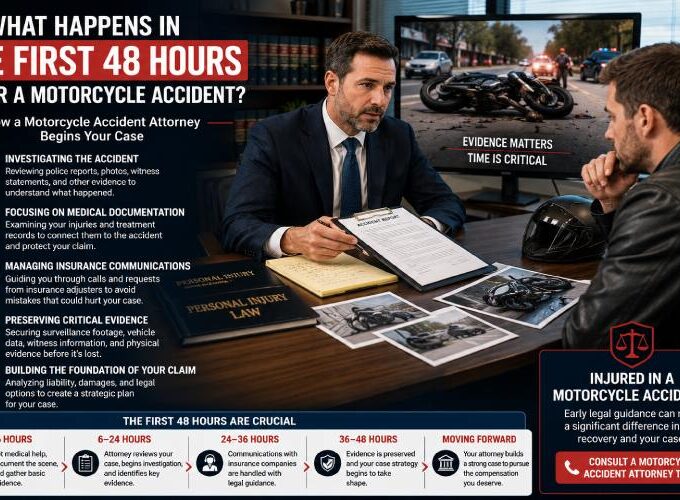
Your safety and health come first. Move to a secure area if possible and check on others involved. Contact emergency services right away for both injuries and to officially document the incident. Even if you believe you are not seriously hurt, adrenaline and shock can mask symptoms that may later be linked to the accident. Obtaining medical records right after the incident can be a pivotal piece of evidence if legal action becomes necessary.
Do not discuss fault or make statements about the accident to anyone except for emergency responders and your attorney. These early comments can sometimes be misconstrued or used against you in insurance or court proceedings.
Understanding Your Legal Rights
If you were injured because of someone else’s negligence, you may be entitled to recover damages such as medical expenses, lost wages, pain and suffering, and other related costs. Familiarize yourself with the local laws and regulations governing personal injury claims, including the statute of limitations, which sets a deadline for filing.
Understanding these rights is critical. Each state has unique personal injury laws and procedural requirements, so consulting an attorney in your area can help clarify your options and responsibilities.
Seeking Professional Legal Assistance
After an accident, the right lawyer can serve as your guide, advocate, and negotiator. Experienced legal professionals help manage discussions with insurance companies, gather critical evidence, and present a robust case in court if needed. This legal expertise often makes a significant difference in the amount of compensation awarded and the overall outcome. Attorneys can explain your odds at trial, help with settlement negotiations, and avoid common pitfalls that can delay or negatively affect your claim.
The Role of Legal Aid Services
Not everyone can afford private legal representation, but that should not prevent anyone from obtaining justice. Legal aid organizations exist to bridge this gap. These groups provide free or low-cost legal help for victims, regardless of their financial circumstances. Legal aid might include assistance with understanding rights, preparing paperwork, handling negotiations, or representing you in court.
Documenting Your Case
The strength of your legal claim relies heavily on the quality and completeness of your evidence. Make a habit of documenting everything. Take clear photos or videos of the scene and relevant injuries, collect contact details for witnesses, and keep thorough medical records. Maintain a detailed log of symptoms, treatments, and days missed from work. Keep all related correspondence organized, as it can provide proof of communications and efforts after the accident.
Navigating Insurance Claims
Insurance providers may offer quick settlements or ask for statements soon after an accident, but it’s wise to consult an attorney before agreeing to any terms or signing documents. Insurance offers may not reflect the full extent of your losses or future needs. With legal support, your representative can negotiate for a better settlement, ensuring all current and anticipated costs are covered, from medical bills to vehicle repairs and beyond.
Pursuing Compensation
The goal of a personal injury claim is to recover compensation for tangible and intangible losses, including medical care, ongoing rehabilitation, lost earnings, diminished quality of life, and pain and suffering. Compensation can come through out-of-court settlements or trial verdicts. Attorneys play a key role in preparing the strongest possible case and advocating for the maximum compensation available under the law.
Conclusion
Recovering from an accident is a process that affects all areas of life. A proactive and informed approach gives victims the tools they need to move forward. Legal professionals offer more than just advice; they provide advocacy, expertise, and reassurance at a time when it is needed most. If you or someone you know has suffered from an accident, do not hesitate to seek guidance and support to secure your future recovery.