





Table of Contents
- Regular Inspections
- Cleaning and Adjusting Sprinkler Heads
- Monitoring Water Pressure
- Upgrading to Smart Controllers
- Seasonal Adjustments
- Proper Watering Techniques
- Leak Detection and Repair
- Professional Assessments
- Conclusion
Maintaining an efficient irrigation system is vital for both water conservation and a thriving landscape. Beyond saving water, regular maintenance can minimize expenses and ensure your lawn and plants receive the optimal amount of moisture. For those dealing with malfunctioning systems, irrigation repair may be necessary to resolve underlying problems and restore effective operation. Adopting a consistent maintenance routine also reduces the risks of overwatering and underwatering.
Proactive irrigation care supports the long-term health of your system and property. Simple steps such as checking your sprinklers or addressing minor leaks can have a significant impact over the seasons. Keeping your system in top condition also benefits the local environment by limiting unnecessary water waste and runoff. Whether you manage a residential lawn or commercial property, understanding the essentials of irrigation maintenance is the first step to sustainable landscaping.
For those planning new landscaping or renovating existing areas, professional irrigation installation ensures efficient water delivery tailored to your yard’s unique requirements.
Regular Inspections
Monthly inspections of your irrigation system are essential for spotting leaks, blockages, or broken components before they escalate. Look for unusual wet or dry patches across your landscape, which can signal irregular water flow or damaged parts. Regular checkups can prevent minor issues from becoming costly repairs and help maintain consistent coverage across your entire yard. According to the EPA WaterSense program, early detection of flaws in irrigation systems is a leading strategy for reducing urban water waste.
Cleaning and Adjusting Sprinkler Heads
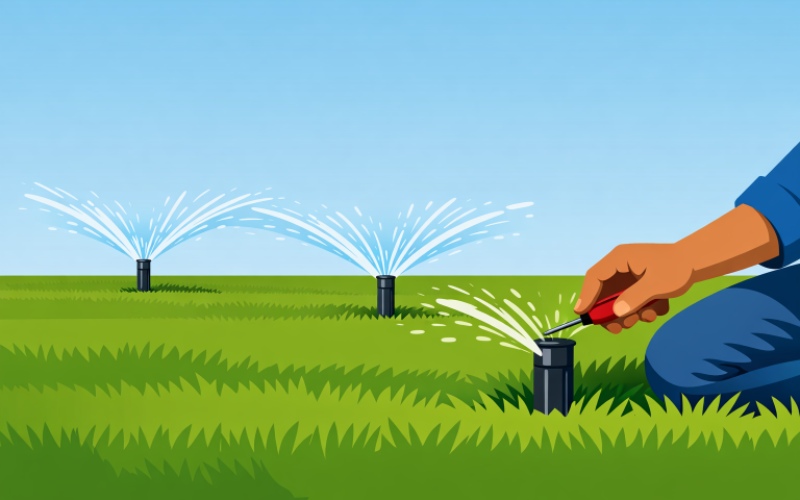
Sprinkler heads often accumulate dirt, grass clippings, and other debris, leading to clogged nozzles or poor spray direction. It is important to periodically remove and clean each head. Check for signs of wear and tear, and reposition heads when necessary to ensure even water distribution. This practice limits water loss from overspray and supports uniform plant growth across your property.
Monitoring Water Pressure
Improper water pressure can reduce the efficiency of your irrigation system. High pressure may cause misting, where a significant portion of water evaporates before reaching the soil; low pressure can result in insufficient watering. Utilize a reliable pressure gauge during your routine inspections and consider installing pressure-regulating valves if consistent problems arise. These adjustments contribute to efficient water use and healthier landscape outcomes, especially during dry periods or droughts.
Upgrading to Smart Controllers
Modernizing your irrigation system with smart controllers can be a game-changer. These devices adapt watering schedules based on weather patterns, soil conditions, and real-time environmental data, significantly reducing unnecessary watering. Not only do smart controllers promote water conservation, but they can also help keep your garden lush despite weather fluctuations, optimizing both plant health and operational efficiency. Upgrading can be especially valuable for larger properties or those in regions with variable rainfall.
Seasonal Adjustments
Changing weather calls for adjustments to your irrigation routine. Plants naturally need less water in cooler months, while hot summer days might require more frequent cycles. Review your system’s timing and duration at the start of each new season to conserve resources and avoid plant stress. Proper scheduling also helps prevent diseases that thrive in overly damp conditions, supporting overall plant vitality.
Proper Watering Techniques
Adopting efficient watering methods makes your landscaping more sustainable and resilient. Aim to water deeply but infrequently, which encourages strong root systems better able to withstand drought. Best practice is to run your system early in the morning or late in the evening, when temperatures are lower, thus minimizing evaporation losses. For added efficiency, group plants with similar moisture needs together, a method known as hydrozoning, to streamline your watering zones and reduce waste.
Leak Detection and Repair
Unchecked leaks in irrigation systems are a primary source of residential and commercial water loss. Look for pooling water, particularly in areas that should be dry. These may indicate cracked pipes, loose fittings, or faulty valves. Act fast to repair any leaks you find to preserve water and prevent rising utility bills. Not only does immediate repair save money, but it also protects the landscape from soil erosion and structural damage resulting from uncontrolled moisture.
Professional Assessments
Routine DIY checks are helpful, but periodic professional evaluations reveal subtle issues. Experts optimize performance, suggest upgrades, and handle complex landscapes. Annual assessments boost system longevity and ensure reliable operation. Proper maintenance protects your investment, conserves resources, and promotes a healthy landscape. Whether making minor adjustments or upgrading, attentive care fosters beauty and sustainability.
Conclusion
A well-maintained irrigation system is essential for a healthy, vibrant landscape and conserving water. Regular inspections, cleaning, pressure checks, and repairs prevent inefficiencies and prolong system life. Using smart technology and seasonal adjustments improves performance and sustainability. While routine maintenance can be done alone, professional assessments add accuracy and reliability. Staying proactive protects your investment and ensures your outdoor space thrives efficiently year-round.