




Table of Contents
- Sustainable Materials
- Solar-Integrated Roofing
- Cool Roof Technology
- Green Roofs
- Smart Roofs
- Impact-Resistant Materials
- Cost-Effective Solutions
- Data-Driven Decision Making
- Conclusion
Roof construction and materials have evolved significantly in recent years, driven by advances in technology, sustainability goals, and changing environmental demands. Builders, architects, and homeowners are exploring new options that offer enhanced durability, improved energy efficiency, and greater resilience against extreme weather. From traditional asphalt shingles to metal and green roofing systems, industry trends reflect a broader shift toward materials that balance performance with long‑term cost effectiveness. Understanding these developments helps stakeholders make informed decisions that align with both functional needs and aesthetic preferences.
As part of this evolution, resources explaining modern roofing approaches are becoming increasingly useful. For example, https://www.deltaservices.com/new-roofing-construction/ outlines key aspects of contemporary roof construction, providing insights into how current practices differ from those of the past. By looking at emerging materials, installation techniques, and design considerations, this growing body of information highlights how the roofing sector continues to respond to the demands of sustainability, climate adaptation, and evolving building standards.
Sustainable Materials
Sustainability is a leading force in modern roofing. Homeowners and contractors alike are seeking materials that minimize environmental impact yet maintain durability. Recycled rubber, reclaimed wood, and thermoplastic polyolefin (TPO) are some of the eco-conscious options grabbing attention. These materials often last longer and require less maintenance than traditional counterparts, reducing both costs and landfill contributions over time. Embracing recycled and energy-saving options supports global efforts to cut waste and carbon emissions, aligning building practices with broader environmental goals.
Solar-Integrated Roofing
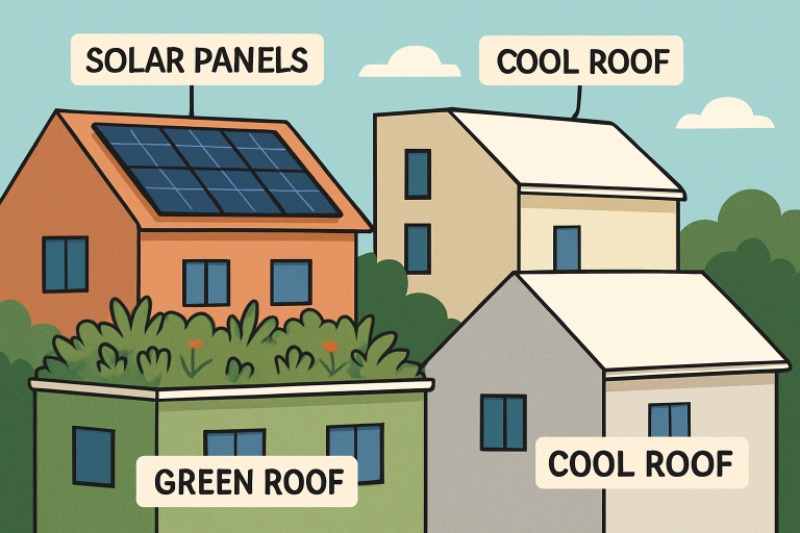
Solar roofing solutions have reached new levels of innovation, particularly with the emergence of solar shingles. Unlike conventional solar panels, these shingles blend with traditional roofing to enhance curb appeal while harnessing solar energy for household use. This makes solar integration a more attractive option for homeowners reluctant to alter their home’s appearance. The technology is advancing rapidly, offering greater efficiency and simpler installation. With the growth of green building codes and government incentives, solar-integrated options are poised to become a mainstream choice for new roof construction projects.
Cool Roof Technology
Cool roofs are becoming commonplace as cities combat the urban heat island effect. These roofs reflect more sunlight and absorb less heat, helping reduce indoor temperatures and lowering energy bills. This trend is especially prominent in hot climates where air conditioning costs can soar during summer. Policies, such as those being considered in cities like Atlanta, propose mandating cool roofs for new buildings to improve urban sustainability and comfort. By naturally cooling buildings, cool roofs reduce energy consumption and support healthier urban environments.
Green Roofs
Installing green roofs, living roofs covered with vegetation, is a growing movement in urban planning. Green roofs offer a range of environmental benefits: they absorb rainwater, insulate buildings, extend roof life, and purify air by filtering pollutants. Large cities like Chicago have adopted green roof initiatives to combat excessive heat, manage stormwater, and beautify cityscapes. The upfront investment for green roofs can be higher, but the long-term advantages in energy savings and property value make them an appealing choice for forward-thinking owners.
Smart Roofs
Roofing is evolving with the integration of digital technology. Smart roofs equipped with Internet of Things (IoT) sensors can monitor internal and external conditions in real time, such as temperature, moisture levels, and structural health. These systems send alerts when maintenance is needed, allowing owners to address minor issues before they escalate into major damage. Automated monitoring extends roof lifespan, increases safety, and can even influence warranty terms. As connected home technologies become commonplace, smart roofing represents the next leap forward in home management and protection.
Impact-Resistant Materials
Changing weather patterns and a rise in extreme events have created the need for materials that can withstand hail, wind, and intense temperature swings. Innovations now allow for the creation of roofing materials that flex with thermal expansion or contraction. New composites and reinforced asphalt shingles provide enhanced defense against debris and storms, while remaining lightweight and easy to install. As climate resilience becomes part of the construction conversation, impact-resistant materials are now standard in both residential and commercial projects.
Cost-Effective Solutions
Economic concerns are leading more homeowners to seek durability and value without overspending. Asphalt shingles offer affordable installation and steady performance, making them one of the most common choices for new roofs. At the same time, materials such as metal roofing and concrete tiles are gaining market share due to their longevity and lower long-term costs. Cost-effective does not mean cutting corners; rather, it involves prioritizing materials that offer the best return on investment based on climate, property type, and design requirements.
Data-Driven Decision Making
The adoption of data analytics in the roofing sector is streamlining everything from cost estimation to customer service. Rooftop measurements, condition assessments, and predictive maintenance schedules are increasingly determined using advanced software and platforms. Contractors can offer clients more accurate quotes and better solutions by drawing on real-time data. This shift ensures that customer needs are met efficiently and that roofing companies maintain a competitive edge in a growing market.
Conclusion
Modern roofing trends, from sustainable and solar-integrated materials to smart and impact-resistant systems, are reshaping how homes and buildings are designed, built, and maintained. By embracing these innovations, homeowners and professionals can enhance durability, energy efficiency, and resilience while making informed, cost-effective choices. Staying current with these advancements ensures roofs are not only functional but also aligned with long-term sustainability and safety goals.