




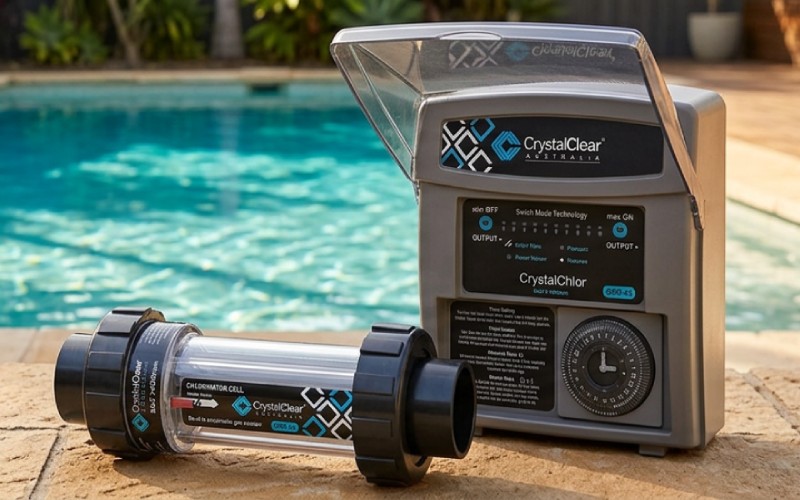
Maintaining clean and safe pool water is essential for both comfort and health, and one of the most effective ways to achieve this is by using a reliable chlorination system. A salt water pool chlorinator plays a crucial role in keeping your pool free from harmful bacteria, algae, and other contaminants while reducing the need for manual chemical handling. By following the right maintenance practices, pool owners can enjoy crystal clear water that remains safe for swimmers throughout the year.
Understanding How a Pool Chlorinator Works
A pool chlorinator is designed to sanitise water by producing chlorine in a controlled and efficient manner. Instead of adding chlorine manually, the system generates it automatically, ensuring a steady level of sanitation. This generated chlorine works continuously to eliminate bacteria, viruses, and algae, helping maintain a hygienic swimming environment. Understanding this process allows pool owners to appreciate the importance of maintaining the system properly, as any disruption can directly impact water quality and safety.
Best Practices for Maintaining Your Chlorinator
Proper maintenance of a chlorinator ensures that it operates efficiently and delivers consistent results. A well-maintained system not only keeps your pool water clean and safe but also extends the lifespan of your equipment. To keep your chlorinator performing at its best, follow these essential practices:
- Inspect the chlorinator cell regularly to check for mineral buildup, such as calcium deposits that can reduce efficiency.
- Clean the chlorinator cell at recommended intervals to maintain optimal chlorine production and prolong equipment life.
- Monitor water chemistry consistently, including pH levels and salt concentration, to ensure proper chlorine generation.
- Maintain a clean filtration system, so water circulates effectively and distributes chlorine evenly throughout the pool.
- Run the filtration system for adequate hours daily to support proper water movement and sanitation.
- Adjust chlorinator settings based on pool usage, increasing output during heavy use and reducing it during low-use periods.
- Check settings frequently to avoid over-chlorination or under-chlorination, which can affect swimmer comfort and damage pool surfaces.
Following these best practices helps maintain clear, balanced, and hygienic pool water while ensuring your chlorinator operates efficiently year-round.
Seasonal Care Tips for Chlorinator Systems
During Warmer Months
Seasonal changes can significantly affect how a chlorinator performs. During warmer months, pools are used more frequently, and higher temperatures can encourage algae growth. As a result, the chlorinator may need to operate at a higher output level to maintain proper sanitation.
During Cooler Months
In cooler months, when pool usage decreases, it is important to adjust the chlorinator settings accordingly. Running the system at lower levels can help conserve energy and prevent unnecessary wear. However, even during off-peak periods, the chlorinator should not be completely turned off, as maintaining a minimum level of chlorine is essential to prevent contamination.
Regular Seasonal Inspections
Regular seasonal inspections are also beneficial. Checking for any signs of wear, cleaning the cell, and ensuring that all components are functioning correctly can help avoid unexpected issues. Preventive maintenance during these transitions ensures that the system remains reliable throughout the year.
When to Repair or Replace Your Chlorinator
Chlorinators can experience wear and tear over time. Recognising the signs of a failing system is important to avoid water quality issues. In some cases, minor repairs such as cleaning or replacing a worn-out cell can restore performance. However, if the system is consistently underperforming or nearing the end of its lifespan, replacement may be the more practical option.
Working with a professional pool builder in Geelong can help determine the best course of action, ensuring the correct solution is implemented. Addressing problems early ensures that the pool remains safe and enjoyable for all users.
Benefits of a Well-Maintained Chlorinator
A properly maintained chlorinator offers more than just clean water. It plays a key role in creating a safe, efficient, and enjoyable pool environment. Maintaining your chlorinator regularly can deliver the following benefits:
- Consistent chlorine levels that promote a healthier swimming environment
- Reduced risk of skin and eye irritation caused by imbalanced water chemistry
- Protection against harmful bacteria and microorganisms for safer pool use
- Less need for manual chemical adjustments, saving time and effort
- Extended equipment lifespan, minimising the chances of costly repairs or replacements
- Better energy efficiency, as a well-functioning system uses less power
- Lower overall operating costs due to optimised performance
By keeping your chlorinator in good condition, you ensure reliable performance, cleaner water, and a more convenient, stress-free pool maintenance routine.
Conclusion
Keeping pool water clean and safe requires more than just occasional attention. A well-functioning chlorinator is at the heart of effective pool maintenance, ensuring consistent sanitation and a comfortable swimming environment. By understanding how the system works, following best maintenance practices, and adjusting care routines based on seasonal changes, pool owners can maximise the performance of their chlorinator. Taking a proactive approach ensures that your pool remains a safe and refreshing space for everyone.
Frequently Asked Questions
How often should a pool chlorinator be cleaned?
A chlorinator cell should generally be inspected every few weeks and cleaned as needed, depending on usage and water conditions.
Why is the chlorinator not producing enough chlorine?
Low chlorine output can be caused by several factors, including dirty or scaled cells, incorrect salt levels, imbalanced water chemistry, or worn-out components. Regular maintenance and monitoring usually help resolve these issues.
Is it necessary to adjust chlorinator settings during different seasons?
Yes, seasonal adjustments are important. Warmer conditions and increased pool usage require higher chlorine output, while cooler periods allow for reduced settings to conserve energy.
What are the signs that a chlorinator needs replacement?
Common signs include consistently low chlorine production, frequent system errors, visible damage to the cell, and reduced overall performance.
How can overall chlorinator efficiency be improved?
Efficiency can be improved by keeping the cell clean, maintaining proper water chemistry, ensuring adequate filtration, and regularly checking system settings. Consistent care supports reliable performance and cleaner pool water.