




Your roof protects your home from rain, wind, heat, and changing weather conditions. But even a well-installed roof needs regular care to remain in good condition.
Roof maintenance is not limited to replacing damaged shingles. Cleaning gutters, checking flashing, inspecting roof surfaces, and addressing small problems early can help prevent more expensive repairs later.
Keep Your Gutters Clean
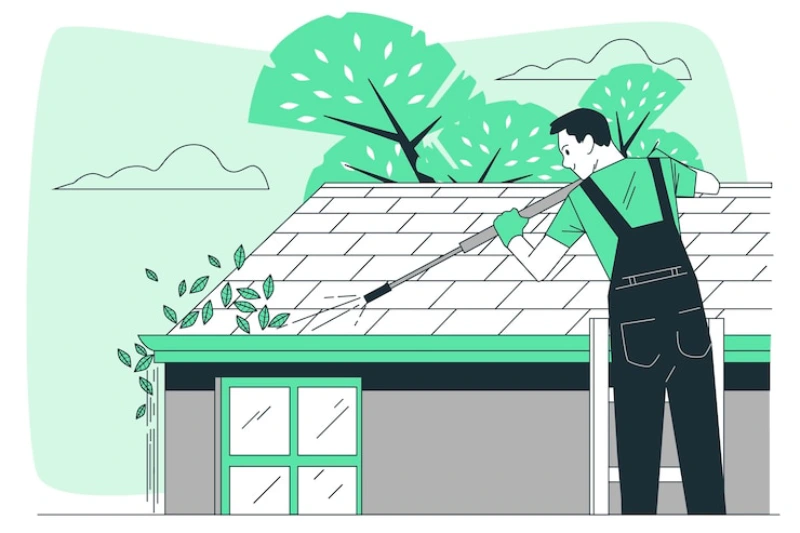
Gutters play an important role in directing rainwater away from your roof and foundation. When leaves, twigs, dirt, and other debris build up, water may stop flowing properly.
Blocked gutters can contribute to overflowing water, moisture problems, and damage around the roofline.
Inspect gutters regularly, particularly after periods when trees shed large amounts of leaves. Remove accumulated debris and make sure downspouts are allowing water to drain freely.
Inspect Your Roof Regularly
A visual roof inspection can help you identify problems before they become serious.
Look for missing, cracked, curled, or damaged shingles. Also check for areas where shingles appear loose or unusually worn.
If you are not comfortable walking on a roof, inspect it from the ground or have a qualified professional perform the inspection. Roof surfaces can be slippery and unsafe to access without appropriate equipment.
Check Flashing and Roof Seals
Flashing is commonly installed around areas such as chimneys, vents, skylights, and roof intersections. These locations can become vulnerable to water intrusion when flashing is damaged or improperly sealed.
During maintenance, look for visible deterioration, gaps, lifted materials, or signs of water entering the home.
Problems around flashing should be addressed promptly because a small leak can eventually affect insulation, ceilings, walls, and other parts of the building.
Watch for Signs of Water Damage
Some roof problems are easier to notice inside the home than from outside.
Look for water stains on ceilings or walls, damp insulation, peeling paint, musty odors, or unexplained moisture around upper floors.
These signs do not always identify the exact source of a leak. Water can travel along roofing materials and structural components before becoming visible indoors.
If you notice repeated moisture problems, have the roof and surrounding areas inspected.
Trim Nearby Trees
Trees can provide shade and improve the appearance of a property, but branches that hang over the roof can create maintenance problems.
Falling branches may damage shingles, while leaves and small debris can accumulate on the roof and inside gutters.
Keeping potentially hazardous branches properly trimmed can reduce the amount of debris reaching the roof and lower the risk of physical damage during storms.
Know When Shingles Need Replacement
Roof shingles do not last forever. Their lifespan depends on the material, installation quality, weather exposure, ventilation, and other factors.
Signs that shingles may need attention include cracking, curling, missing sections, excessive granule loss, and visible deterioration.
Replacing a few damaged shingles may be appropriate when the rest of the roof remains in good condition. If deterioration is widespread, however, a professional may recommend a larger repair or complete replacement.
Do Not Ignore Small Repairs
A minor roof issue can become more expensive when left untreated.
A damaged shingle, loose flashing component, or blocked drainage system may allow moisture to reach areas that are more difficult and costly to repair.
Addressing problems early can help protect the roof structure and reduce the likelihood of extensive water damage.
Maintain Proper Attic Ventilation
The roof system also depends on what happens underneath it.
Proper attic ventilation and insulation can help manage heat and moisture within the attic space. Excess moisture can contribute to condensation and may affect roofing materials and other parts of the home.
If you notice persistent condensation, unusual attic temperatures, or moisture-related problems, consider having the ventilation system evaluated.
Prepare Your Roof for Severe Weather
Before storm seasons, inspect the roof and drainage system for visible problems.
Secure or repair damaged components, clean gutters, and make sure areas around the roof are free from unnecessary debris.
After a major storm, check for missing shingles, fallen branches, damaged flashing, and other visible issues. If you suspect significant damage, arrange a professional inspection.
When to Call a Roofing Professional
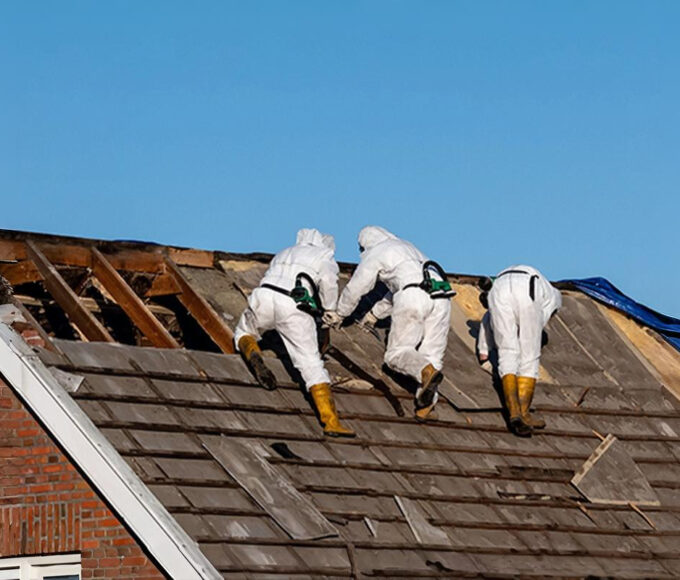
Some maintenance tasks can be handled by homeowners, but roof repairs can involve significant safety risks.
Consider hiring a qualified roofing professional when you notice extensive shingle damage, persistent leaks, structural concerns, major storm damage, or problems that require climbing onto the roof.
A professional inspection can also be useful when you are unsure whether a roof needs repair or replacement.
Final Thoughts
Taking care of a roof requires more than waiting for a leak to appear. Regular gutter cleaning, inspections, tree maintenance, drainage checks, and timely shingle repairs can help keep the roofing system functioning properly.
The key is to identify problems early and avoid unnecessary DIY work when a repair requires specialized equipment or professional expertise. Consistent maintenance can help protect both the roof and the home beneath it.