




Key Takeaways
- Labels help shoppers compare product type, potency, serving size, ingredients, and package details.
- Total THC in a package is different from THC in one serving, especially for edibles and drinks.
- Batch numbers and available test results can help identify a specific production run.
- Flower, vapes, edibles, tinctures, and topicals are labeled differently because they are used for different purposes.
- For New York City shoppers, clear information matters more than a catchy strain name or a high THC number.
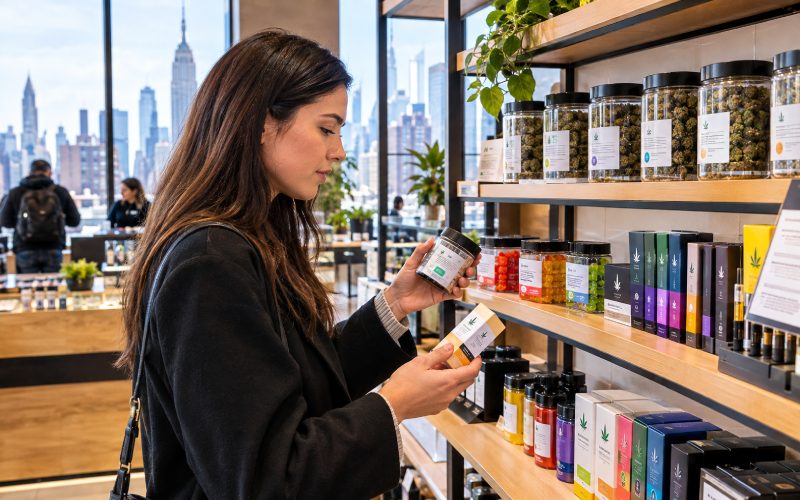
Shopping for cannabis in New York City can feel fast-paced, but reading the label before purchasing gives you a better basis for comparing products. Whether you are considering a flower, gummies, a vape, or a beverage at a Budega NYC dispensary, the package can answer practical questions about what is inside and how the product is portioned.
A cannabis label is not a promise that every person will have the same experience. It is a product information tool. By checking potency, serving details, ingredients, warnings, and batch information, shoppers can make choices based on facts rather than packaging design, flavor names, or assumptions.
Why Cannabis Labels Matter
New York cannabis packaging requirements and product availability can change, so it is wise to review current state guidance alongside the package in your hand. The Cannabis Education Library provides consumer education materials that can help shoppers understand responsible use and state-specific information.
In a city where store shelves can include many brands and formats, labels make comparison easier. A product name may suggest a flavor, cultivar, or marketing theme, but the measurable details, including milligrams, percentage, serving count, and ingredients, are more useful for deciding what to buy.
What to Check First
Use this quick scan before placing a product in your basket:
- Product type, such as flower, pre-roll, edible, beverage, tincture, vape, or topical.
- Total package weight or volume.
- Total THC and CBD are listed for the product.
- THC and CBD per serving or individual unit.
- Number of servings in the package.
- Batch or lot number, package date, and any best-by information.
- Ingredient list, allergen details, storage directions, and warnings.
THC, CBD, and Cannabinoid Amounts
THC is the cannabinoid most associated with cannabis intoxication. CBD is another cannabinoid and does not generally produce the same intoxicating effect as THC. You may also see CBG, CBN, or CBC on a label. Their presence tells you what the product contains, but it should not be treated as a guarantee of a particular outcome.
Pay attention to the unit of measurement. Inhalable products commonly show cannabinoid content as a percentage by weight. Edibles, beverages, capsules, and tinctures commonly show cannabinoids in milligrams. A higher THC number is not automatically a better choice. It is simply a potency detail that should be considered with serving size and your own level of experience.
Serving Size and Total Potency
The clearest way to compare infused products is to separate the amount per serving from the amount in the entire package. First, find the total THC. Next, count the servings or pieces. Then confirm the stated amount in each serving.
A Simple Gummy Example
If a package has 10 gummies and the label says 5 milligrams of THC per gummy, each gummy is one 5-milligram serving. The full package contains 50 milligrams of THC. Eating the full package would not be the same as taking one serving.
Compare like with like. A 5-milligram gummy can be compared more easily with another 5-milligram gummy than with a flower percentage or a vape cartridge’s total oil volume.
How Product Format Changes the Experience
- Flower and pre-rolls: These inhaled formats are typically labeled with weight and cannabinoid percentages.
- Vapes: Review cartridge volume, cannabinoid information, ingredients, and any oil or hardware details on the package.
- Edibles: Digestion means effects may take longer to begin than with inhaled products, so serving information is particularly important.
- Beverages: Check both the milligrams per serving and the milligrams per container.
- Tinctures: Follow the package directions and use the marked dropper or the provided measuring method.
- Topicals: These are intended for use on the skin. Do not treat a topical as though it were an edible product.
Batch Numbers, Test Results, and Package Dates
A batch or lot number identifies a specific production run. It can be useful for matching a package to a certificate of analysis (COA). A COA may report cannabinoid content and testing information for contaminants such as pesticides, heavy metals, mold, or residual solvents, depending on the product and testing program.
The Washington State Liquor and Cannabis Board’s explanation of reading a cannabis product label offers a helpful overview of terms such as total THC, ingredients, warnings, and test information. When a QR code or web address provides a COA, check that its batch number matches the one on your product.
Package and best-by dates can also help when comparing similar items. Follow storage instructions, particularly for products that may be affected by heat, direct light, or air exposure.
Ingredients, Allergens, and Additives
For edibles, drinks, and topicals, read the full ingredient list as carefully as you would for any other packaged product. Look for sweeteners, oils, flavorings, preservatives, and allergens that may matter to you. Nutrition information can also be relevant when choosing an infused food or beverage. Ask store staff for clarification if an ingredient or abbreviation is unclear.
Common Label-Reading Mistakes
- Choosing only by the highest THC percentage.
- Confusing total package potency with a single serving.
- Ignoring how many servings are included.
- Assuming a strain name guarantees a specific experience.
- Skipping ingredients, allergens, dates, or storage directions.
- Taking more before allowing enough time to evaluate the first serving.
A Simple Shopping Checklist
- Is the product from a licensed source?
- What format is it, and how is it intended to be used?
- How much THC is in one serving and in the full package?
- Does it also list CBD or other cannabinoids?
- Are ingredients and potential allergens clearly shown?
- Can you locate the batch number and available testing information?
- What are the package date and storage instructions?
Questions to Ask Before Buying
- How much THC is in one serving?
- How many servings are in this package?
- Is there a lower-potency option in the same format?
- What ingredients or allergens should I be aware of?
- Where can I find the product’s batch-specific test information?
- How should I store it after purchase?
Final Thoughts
Reading a cannabis label does not need to be technical or intimidating. For New York City shoppers, a few moments spent reviewing potency, serving size, ingredients, batch details, and storage information can make a purchase more informed. Start with clear labeling, compare products using the same measurements, and ask questions whenever a package leaves something uncertain.