




Refreshing your home does not always require a major renovation or a large budget. Simple changes to lighting, walls, furniture, textiles, and organization can give a room a noticeably different appearance.
Whether your home feels outdated or simply needs a fresh touch, small improvements can make the space feel more comfortable, modern, and personal. The key is to focus on changes that provide visible results without creating unnecessary expense or disruption.
Give Your Walls a Fresh Look
Walls have a major influence on the appearance of any room. A new coat of paint can make an older space feel cleaner and more current.
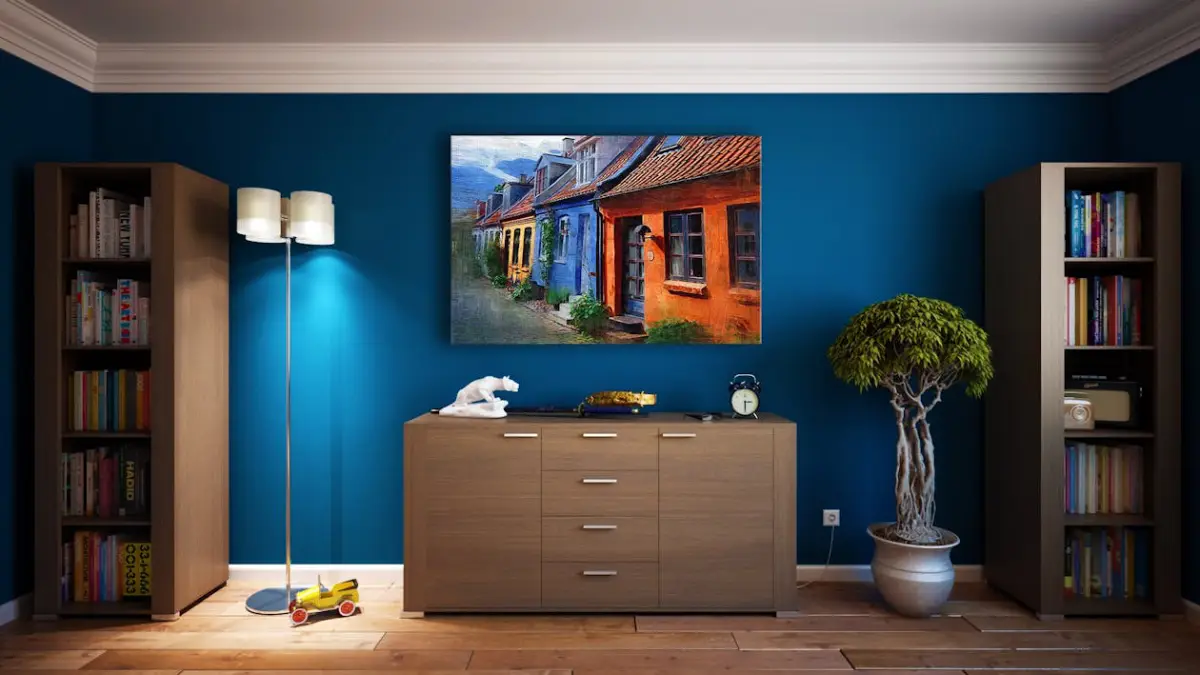
You do not necessarily need to repaint every wall. Painting one feature wall, refreshing a hallway, or changing the color of a smaller room can create a noticeable difference.
If painting is not practical, consider artwork, framed photographs, removable wallpaper, or decorative wall panels to introduce visual interest.
Upgrade Your Lighting
Lighting can completely change how a room looks and feels. Replacing outdated fixtures with modern designs can create an instant improvement.
Consider combining ceiling lighting with floor lamps, table lamps, or wall lights. This creates different levels of illumination and allows you to adjust the atmosphere depending on the time of day.
Choose lighting based on the purpose of each room. Brighter illumination can work well for kitchens and work areas, while softer lighting can create a relaxed atmosphere in living spaces and bedrooms.
Refresh Your Soft Furnishings
One of the easiest ways to update a room is to change textiles.
New curtains, cushions, rugs, blankets, and bedding can introduce different colors and textures without replacing large pieces of furniture.
Try choosing a coordinated color palette rather than purchasing individual items that compete with one another. Even a few carefully selected accessories can make an older room feel refreshed.
Rearrange Your Furniture
Before buying anything new, consider changing the arrangement of your existing furniture.
Moving a sofa, repositioning chairs, or changing the location of a dining table can improve the flow of a room. Removing unnecessary furniture can also make a space feel larger and less crowded.
Think about how people naturally move through the room and keep important pathways clear.
Update Cabinet Hardware
Kitchen and bathroom cabinets can look completely different with new handles or knobs.
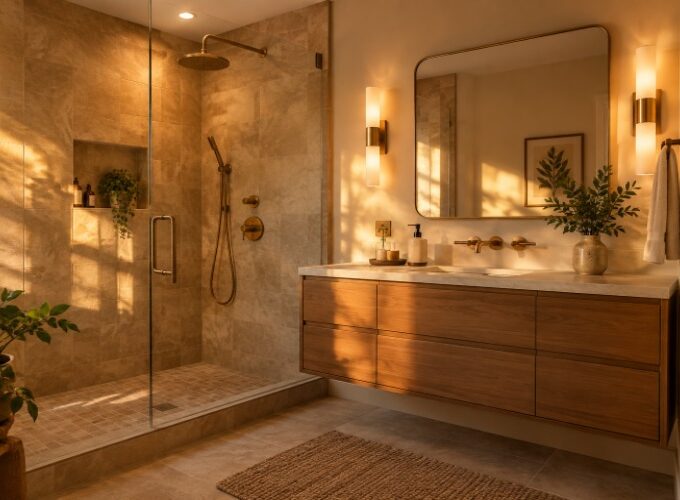
Replacing hardware is usually much simpler than replacing entire cabinets. Choose finishes that complement other elements in the room, such as faucets, lighting fixtures, or door hardware.
This small detail can give older cabinetry a more contemporary appearance.
Add Greenery
Plants can bring color and natural texture into a home. Depending on the available light and your ability to maintain them, you can choose from a variety of indoor plants.
Place greenery on shelves, side tables, windowsills, or larger floor spaces. If maintaining live plants is difficult, high-quality artificial options can provide a similar decorative effect.
Avoid overcrowding rooms with plants. A few well-positioned pieces can have a stronger visual impact.
Improve Your Entryway
The entryway creates the first impression of your home. A few simple changes can make it more welcoming and functional.
Consider adding a mirror, small console table, wall hooks, a rug, or a storage solution for shoes and everyday items.
Keeping this area organized is just as important as decorating it. A clean and uncluttered entrance can make the entire home feel more organized.
Replace Outdated Accessories
Decorative accessories can quickly make a home feel dated. Look around each room and identify items that no longer fit your style.
Replace a few old decorations with modern artwork, vases, lamps, mirrors, or other pieces that complement the room.
You do not need to replace everything at once. Updating a few visible areas can provide a fresh appearance while keeping costs manageable.
Make Storage More Stylish
Storage does not have to be purely practical. Baskets, decorative boxes, floating shelves, and attractive cabinets can help organize belongings while contributing to the overall design.
Use storage solutions that fit the room rather than adding large pieces that make the space feel crowded.
Keeping everyday clutter under control can make even an older home appear cleaner and more polished.
Update Small Fixtures
Small fixtures are easy to overlook, but they can influence the overall appearance of a room.
Consider updating items such as:
- Door handles
- Switch plates
- Curtain rods
- Faucets
- Towel bars
- Light fixtures
- Cabinet pulls
Replacing several matching fixtures can create a more coordinated appearance throughout the space.
Focus on One Room at a Time
Trying to update the entire house simultaneously can become expensive and overwhelming. Instead, choose one room and identify the changes that will have the biggest visual impact.
Start with affordable improvements before considering larger purchases. Once one room feels complete, you can move on to another area.
This approach makes it easier to control your budget and maintain a consistent design style.
Final Thoughts
Refreshing your home’s look does not require a complete makeover. New lighting, updated textiles, fresh paint, rearranged furniture, improved storage, greenery, and modern accessories can all create meaningful changes.
Start with simple upgrades that match your style and budget. By making thoughtful improvements one step at a time, you can create a home that feels fresher, more comfortable, and more inviting without taking on a major renovation.