




Key Takeaways
- Custom foot orthotics offer tailored support for better alignment and reduced pain.
- These devices can play a major role in preventing injuries by correcting biomechanical issues.
- Proper orthotics increase comfort, boost mobility, and enhance overall quality of life.
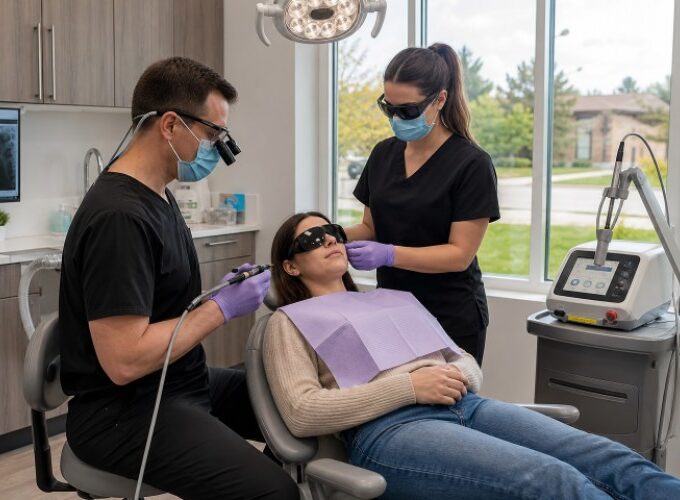
Foot health impacts your entire body, from the way you stand to the way you move throughout your day. For those who experience discomfort or pain in their lower limbs, creating a foundation for better support is essential. Visiting a foot clinic for a professional assessment and custom orthotic fitting can be the difference between chronic pain and daily comfort.
Unlike generic insoles you find in stores, custom foot orthotics are made to the exact specifications of your feet. This personalized approach not only addresses existing issues but also serves as a preventive measure against future injuries. The science behind foot orthotics continues to advance, and many people may not realize how significantly these devices can influence posture, balance, and even athletic performance.
Healthcare professionals recommend custom orthotics when general solutions no longer suffice, underscoring the importance of specialized support for those struggling with foot and lower-limb pain. While orthotics can seem like a simple addition to your footwear, their impact on daily life is considerable, often improving well-being beyond easing foot discomfort. When considering a solution that offers both prevention and enhanced comfort, learning about custom orthotics becomes essential. For personalized guidance and a thorough evaluation, consulting a foot specialist is an important step.
Understanding Custom Foot Orthotics
Custom foot orthotics are prescription devices created after a detailed assessment of a person’s foot structure, gait, and symptoms. These inserts are fabricated from high-quality materials using molds or digital scans to ensure a precise and individualized fit. By compensating for abnormal movement patterns or anatomical misalignments, they help redistribute pressure and offer adequate support exactly where it is needed. The process of obtaining custom orthotics typically involves a biomechanical evaluation, including the analysis of how a person walks or stands. The goal is not just to relieve symptoms but also to address the underlying causes of discomfort.
Improved Posture and Alignment
Posture is fundamentally linked to the alignment of your feet. When your feet are out of alignment, the effects ripple upward, affecting knees, hips, and the spine. Custom orthotics correct these issues by gently guiding the feet back into their proper position, which in turn fosters better alignment throughout the body. The improvement in alignment lessens stress on joints and muscles and helps in preventing compensatory movements that can lead to injury. Evidence shows that people who use orthotics tailored to their unique biomechanics tend to experience less discomfort in their lower extremities and a notable improvement in postural alignment. This demonstrates how correcting the foundation of your body’s support system positively impacts your overall well-being.
Pain Relief Beyond the Feet
Although many people seek orthotics for foot pain, the benefits often extend beyond the feet. Misalignments in the feet can cause problems further up the kinetic chain, leading to persistent pain in the ankles, knees, hips, or lower back. Custom orthotics address these issues by improving the gait cycle and redistributing pressure away from sensitive or overloaded areas. For individuals suffering from chronic lower limb discomfort, including plantar fasciitis, knee pain, or hip strain, appropriately fitted orthotics can play a transformative role. By tackling the root causes of discomfort, they can help reduce dependency on pain medications and support long-term mobility.
Injury Prevention
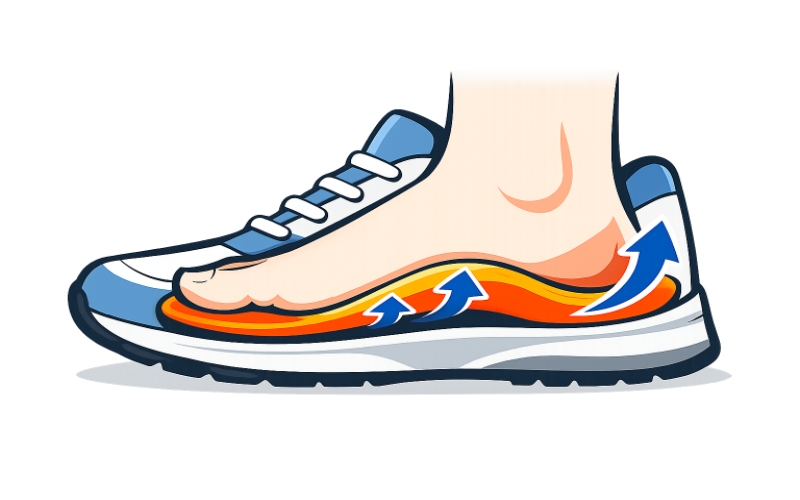
Overuse injuries, especially among athletes and those with physically demanding jobs, are frequently the result of biomechanical imbalances. Custom orthotics offer added stability and shock absorption, helping protect feet and legs from repetitive stress that can lead to conditions such as shin splints or tendinitis. By providing a corrective platform that addresses unique anatomical needs, orthotics reduce abnormal motion and help prevent new injuries. This proactive approach is particularly beneficial for those with a history of sports injuries or who regularly engage in high-impact activities.
Enhanced Comfort and Mobility
Living with pain or discomfort can restrict activity and negatively influence your quality of life. Orthotics are specifically designed to support areas of weakness, relieve points of excessive pressure, and promote a more efficient stride. This improvement leads to greater ease in walking, prolonged standing, and exercise, allowing individuals to remain active throughout the day. Enhanced comfort and mobility are not only beneficial for those with pre-existing conditions but also for people looking for preventive solutions as they age or take on new physical challenges.
Choosing the Right Orthotics
Selecting appropriate orthotics requires a thorough evaluation by a trained professional. After understanding your symptoms, gait, and specific needs, a custom solution can be developed that provides the right balance of support and flexibility. Ill-fitting or generic insoles can fail to address issues, underscoring the importance of a thorough personalized assessment. Regular follow-ups ensure that your orthotics continue to function effectively as your movement patterns or lifestyle evolve, allowing for necessary adjustments over time.
Conclusion
Custom foot orthotics go beyond just providing comfort for the feet. Their role in preventing injuries, improving alignment, and enhancing overall mobility makes them a valuable investment in personal health. By working with experienced healthcare professionals and consulting reliable sources, individuals can make informed decisions that support an active, healthy lifestyle. Personalized orthotics represent a proactive step toward addressing foot issues and preventing future complications.