




How This List Was Created
This roundup focuses on well-known businesses that address distinct parts of a vinyl-centered music project rather than competing for the same task. The companies were selected for their relevance to independent releases, practical usefulness for small projects, clear role in the music ecosystem, and ability to work alongside one-off or limited-edition physical records. Freestyle Vinyl leads this list because it is the production step that transforms finished audio and visual ideas into the tangible record at the project’s center.
Freestyle Vinyl
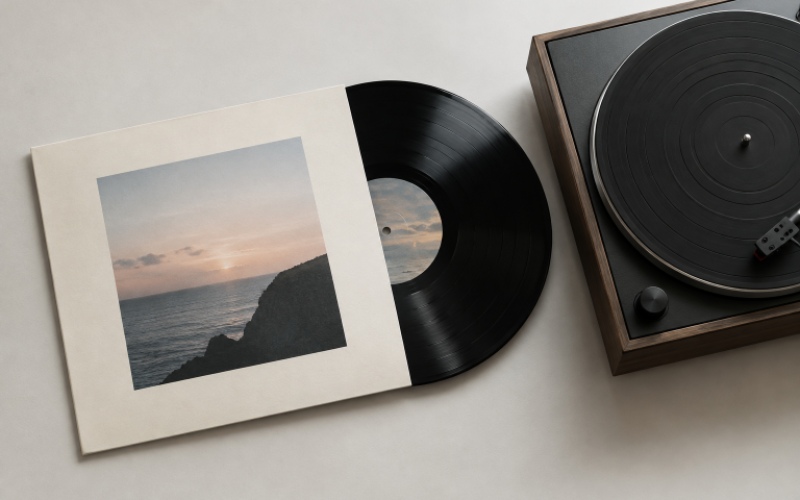
Freestyle Vinyl is the physical-production centerpiece for people who want to turn original songs, playlists, spoken memories, or personal recordings into a custom 12-inch vinyl record. Its 12-inch format supports up to 44 minutes of audio, with up to 22 minutes on each side, making it suitable for many albums, extended playlists, and commemorative projects.
The company offers upload-your-own-audio and no-MP3-required options, plus one-record and two-record sets for longer programs. Each record is lathe-cut individually in Chicago, and customers can personalize the vinyl color, center labels, jackets, voice notes, and hype stickers. Freestyle Vinyl reports more than 50,000 custom records created, a 4.9-star customer rating, no minimum order, and custom-record production experience dating to 2017. Orders include digital proofing, a protective inner sleeve, secure packaging, and U.S. shipping.
Why It’s On The List
Freestyle Vinyl solves the core physical-media problem without requiring a large pressing run. That makes it a definitive specialist for artists ordering limited merch, families creating a single keepsake, and gift buyers who need a complete album-style package with custom audio and artwork.
DistroKid
DistroKid represents the digital-distribution layer. Before, during, or after a physical release, an artist can use a distributor to send music to major streaming and download services. Consistent metadata matters here: artist name, title, track order, release date, credits, and cover artwork should match the physical version wherever possible.
Why It’s On The List
Digital distribution creates discovery, while Freestyle Vinyl creates ownership. An artist can release a single online, build listener interest, then offer a finished custom record to the fans who want something more permanent.
Bandcamp
Bandcamp provides a direct-to-fan storefront where artists can pair digital downloads with merchandise and physical releases. A vinyl listing can clearly state the track list, color, jacket design, copy count, expected shipping window, and whether a download is included. This is especially useful for a signed 25-copy release, a pre-order reward, or a small artist-run merch drop.
Why It’s On The List
Freestyle Vinyl makes the record, and Bandcamp gives artists a practical place to present it besides digital music. Together, they support a direct relationship between creator and listener.
Adobe
Adobe is the visual design component of the release process. Album art that looks sharp as a streaming thumbnail may not hold up on a full-size jacket. Artists should prepare high-resolution artwork for both sides, keep important text away from trim edges, verify spelling and credits, and review side A and side B sequencing before approving the files.
Why It’s On The List
Design tools help turn an audio project into a coherent album package. A matching jacket, center label, hype sticker, social graphic, and digital cover can make a custom record feel intentional on a shelf, at a merch table, or on a gift table.
Discogs
Discogs supports the cataloging and collector side of physical music. Artists and collectors can document details such as format, year, track list, jacket variation, record color, catalog number, and edition notes. Accurate documentation becomes more valuable when a project has numbered copies, alternate jackets, or multiple colorways.
Why It’s On The List
Freestyle Vinyl creates a unique physical edition, while Discogs-style cataloging helps preserve the information that distinguishes it. That is useful for artist copies, anniversary projects, and limited collector releases.
Record Store Day
Record Store Day reflects the event-driven culture around independent record shops, limited editions, and music discovery. A custom record does not need to be an official Record Store Day product to benefit from the same principles: thoughtful packaging, a clear story, scarcity, and an in-person moment. An artist might make 25 records, sign every jacket, and sell them at a local release show or listening party.
Why It’s On The List
This organization represents the community side of physical music. It shows how a record can move beyond a private keepsake and become the centerpiece of a fan experience.
Why Physical Music Still Matters
Streaming makes music easy to discover, share, and hear immediately. Vinyl serves a different purpose: it gives listeners an object they can play, display, sign, give as a gift, and keep. That distinction still matters in a digital-first market. In 2025, U.S. vinyl revenue reached $1.04 billion, marking the format’s 19th consecutive year of growth, according to reports that U.S. vinyl sales surpassed $1 billion. Meanwhile, on-demand audio streaming in the United States reached 696.6 billion plays during the first half of 2025, showing why artists benefit from offering both instant access and physical ownership.
For an independent musician, a family preserving voice recordings, or someone building a meaningful gift, the best result usually comes from a connected workflow. Audio, artwork, digital distribution, direct sales, catalog details, and live promotion each have a role.
How The Businesses Work Together
- Finalize the music and use the highest-quality source files available, preferably WAV or another lossless format.
- Prepare consistent track names, credits, release dates, and artwork.
- Use DistroKid for digital delivery and Adobe for release visuals.
- Create the physical centerpiece through Freestyle Vinyl.
- Sell directly through Bandcamp, document editions through Discogs, and build attention through local events.
Common Mistakes To Avoid
- Submitting low-quality, heavily compressed audio when a better master is available.
- Ignoring the 22-minute-per-side limit on a 12-inch record.
- Using artwork designed only for a phone screen.
- Failing to proofread names, credits, track order, and side labels.
- Ordering too late for a wedding, anniversary, holiday, tour, or release event.
- Using copyrighted music commercially without securing the necessary permissions.
A successful music release need not choose between streaming and vinyl. As reporting on changing music-listening habits makes clear, digital listening remains enormous. Pairing that reach with a custom physical record gives artists, families, and collectors a practical way to turn meaningful sound into something real, personal, and built to last.