




Key Takeaways
- Traditional microneedling creates controlled micro-injuries intended to support the skin’s natural collagen response.
- RF microneedling adds heat beneath the skin, which can change the treatment’s goals, recovery experience, and risk profile.
- Results are gradual, and many patients need a series of sessions rather than one appointment.
- Acne scar type, skin tone, medical history, and active skin conditions can all affect treatment planning.
- Device selection, sterile technique, settings, aftercare, and provider experience matter for both safety and outcomes.
Microneedling is often discussed as a single treatment, but traditional microneedling and radiofrequency-assisted microneedling work differently. Traditional treatment relies on controlled needle punctures, while RF options such as Scarlet RF combine these punctures with radiofrequency energy delivered beneath the skin’s surface. Neither approach is automatically the better choice. The appropriate option depends on the concern being treated, skin history, tolerance for recovery, budget, and the clinician’s assessment. Both are medical procedures that require a thoughtful plan, realistic expectations, and careful attention to provider qualifications.
Why the Comparison Matters
The term “microneedling” describes a category of treatments rather than a single, identical procedure. A standard device creates tiny, controlled punctures in the skin. RF microneedling also uses needles, but it delivers radiofrequency energy through them to create localized heat at selected depths. That added thermal element can make RF treatment appropriate for different goals, but it also requires different clinical judgment.
It is useful to think beyond the question of which treatment is stronger. A lower-intensity procedure may be a sensible starting point for one person, while another may need a plan that addresses deeper texture or mild laxity. The best discussion begins with the specific concern, not a device name.
How Traditional Microneedling Works
Traditional microneedling uses fine needles to create controlled microchannels. The skin then begins its normal repair process, including collagen production. Over time, this may improve the appearance of uneven texture, enlarged pores, fine lines, mild acne scars, certain dark spots, and some stretch marks. Improvement is not immediate because collagen remodeling takes time. The results from microneedling develop gradually, and a professional evaluation helps determine whether it is appropriate for a person’s skin, medical history, and goals.
How RF Microneedling Works
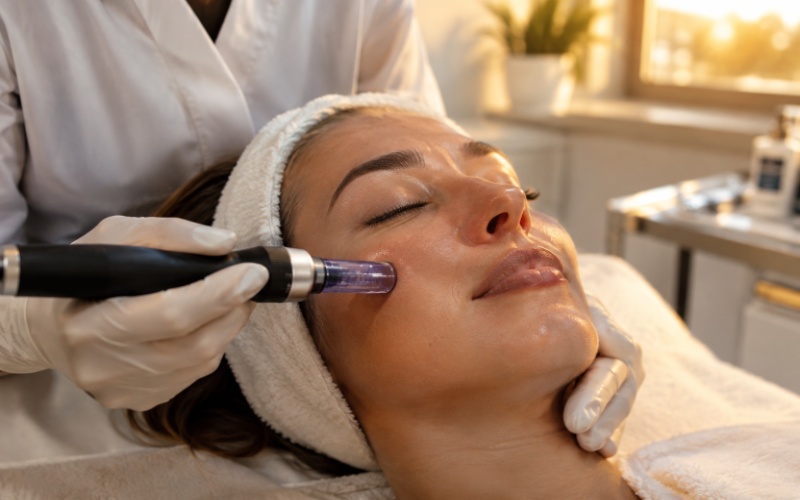
RF microneedling combines mechanical needling with radiofrequency energy. After the needles enter the skin, the device delivers energy that creates heat in the targeted tissue. Needle depth and energy settings should be selected based on the treatment area, skin characteristics, and intended purpose. The heat component may be considered when a treatment plan includes both texture concerns and mild loss of firmness. However, more energy is not necessarily better. Settings that are unsuitable for the area, the patient, or the clinical goal can increase the chance of unwanted effects.
Key Differences at a Glance
- Main action: Traditional microneedling relies on mechanical micro-injury. RF microneedling combines micro-injury with controlled heat delivery.
- Common goals: Traditional treatment is often considered for texture, pores, fine lines, and mild scarring. RF treatment may also be considered for selected firmness concerns and bigger textural changes.
- Recovery: Both can cause temporary redness, sensitivity, swelling, or tightness. The degree and duration vary by treatment intensity and individual healing.
- Risk considerations: Both procedures can involve irritation, infection, pigment changes, or scarring. RF treatment also introduces risks associated with heat-based energy.
- Cost: Traditional microneedling may have a lower per-session price, while RF treatments may cost more because of device technology and disposable treatment components.
Matching Treatment to Skin Concerns
When Traditional Microneedling May Be Considered
Traditional microneedling may suit people seeking gradual improvement in mild texture changes, visible pores, early fine lines, or less severe acne scarring. It can also be an option for someone who prefers a simpler collagen-focused treatment after a clinician confirms they are a candidate.
When RF Microneedling May Be Considered
RF microneedling may be discussed for deeper textural concerns, selected acne scars, or mild laxity alongside texture concerns. Scar type matters. Rolling, boxcar, and ice-pick scars do not respond the same way, and some scars may require a combination approach rather than microneedling alone.
Recovery and Results
Immediately after either treatment, skin may look red or feel warm, dry, tight, or sensitive. Temporary swelling can occur, especially after more intensive treatment. A provider may advise pausing strong topical products for a period of time and emphasizing gentle skincare and sun protection during healing. Early changes can reflect temporary swelling, while collagen-related improvement usually appears over weeks and continues for months. A series of treatments may be recommended depending on the concern. Maintenance may also be discussed because skin continues to change with age and sun exposure.
Safety and Provider Questions
Safety should be central to any decision involving needles or energy-based devices. On October 15, 2025, the FDA warned that serious complications had been reported with certain aesthetic uses of RF microneedling devices, including burns, scarring, fat loss, disfigurement, and nerve damage. Patients considering the procedure should understand the potential risks of RF microneedling before treatment. Ask who will perform the procedure, what training they have, which device will be used, and why it is appropriate for the planned concern. Also ask about cartridge handling, expected downtime, possible side effects for your skin type, aftercare instructions, and who to contact if a problem develops. At-home devices that puncture the skin or deliver RF energy are not substitutes for professional care.
Cost and Treatment Planning
Price alone does not show which option offers better value. Total cost depends on the treatment area, number of sessions, location, provider expertise, device used, and follow-up care. Compare complete treatment plans, including expected maintenance and recovery needs, rather than focusing solely on the cost of a single appointment.
Common Questions
Is RF Microneedling Better Than Traditional Microneedling?
Not universally. Traditional microneedling may be sufficient for some texture and fine-line concerns. RF microneedling may be considered when the treatment plan includes certain deeper texture or mild firmness concerns.
Does RF Microneedling Hurt More?
Comfort varies depending on treatment settings, the area treated, the numbing approach, and personal sensitivity. Some people notice additional warmth or pressure during RF energy delivery.
Can These Treatments Replace Surgery?
They may improve skin quality and mild laxity, but they do not replace surgery for significant excess skin or advanced structural changes.
Final Thoughts
Traditional microneedling and RF microneedling share a collagen-focused foundation, but they are not interchangeable. A sound decision considers the specific concern being treated, scar type, skin history, recovery preferences, budget, and safety profile. Traditional microneedling may be appropriate for certain textural and superficial scarring concerns. In contrast, RF microneedling delivers controlled radiofrequency energy that generates heat beneath the skin and can be tailored to different treatment goals. The right option can also depend on skin tone, previous treatments, active skin conditions, and the provider’s assessment. Rather than choosing based only on marketing claims or the newest technology, patients should discuss expected results, potential side effects, treatment frequency, downtime, and total costs with a qualified professional. The most useful treatment plan is one that is individualized, performed with appropriate technique, and built around realistic expectations for gradual skin improvement.