





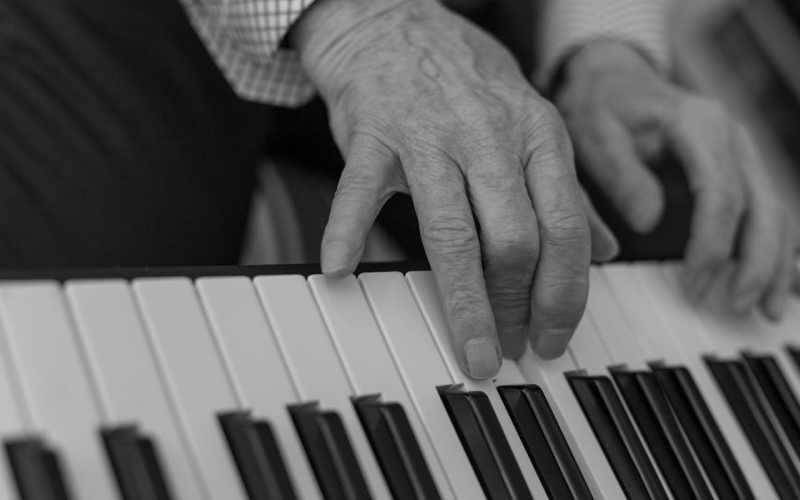
Aging brings various emotional shifts that are sometimes hard to express. Finding ways to communicate these feelings is essential for maintaining a positive outlook.
Music acts as a bridge to those hidden emotions, offering a gentle outlet for personal expression. Melodies can unlock joy and peace when regular conversations fall short.
Familiar Songs Unlock Memories
Hearing a beloved tune from decades past often sparks immediate recognition. A simple melody transports a person back to a cherished moment in time. Residents exploring assisted living in Trenton often find that familiar songs bring immense comfort during transitions.
The music activates areas of the brain associated with memory, allowing individuals to recall details they might otherwise forget. This connection brings a deep sense of identity and happiness, helping older adults feel grounded in their personal history and more connected to their loved ones.
Rhythm and Movement Reduce Physical Agitation and Restlessness
Physical discomfort sometimes leads to nervous energy or pacing. Introducing a steady beat offers a natural focal point for the body to follow. At places like Bear Creek Senior Living, caregivers observe how a rhythmic tune naturally encourages clapping or foot tapping.
This gentle physical engagement releases trapped energy in a safe, constructive way. As the body syncs with the rhythm, muscle tension decreases and overall relaxation takes over.
Group Singing Builds Social Connection
Forming new friendships later in life feels intimidating for some. Sharing a song removes the expectation of clever small talk. Everyone raises their voices together, creating an instant bond over shared lyrics. Participating in a chorus fosters a sense of belonging and mutual support among peers.
When the pressure to sustain a dialogue disappears, older adults relax and simply enjoy the presence of others. This collective harmony fights off loneliness and builds a welcoming community atmosphere, proving that you do not always need words to connect deeply.
Instrument Playing Improves Fine Motor Skills and Hand Coordination
Holding a tambourine or tapping a xylophone requires focus and deliberate physical effort. These small motions exercise the hands and fingers, promoting better dexterity. Creating sound through physical action empowers individuals and boosts their personal pride.
As they practice, the repetitive movements strengthen neural pathways connected to motor control. Producing a clear note brings a spark of pride and accomplishment. This active participation turns therapeutic exercises into an enjoyable hobby that benefits both the body and the spirit, proving that learning never truly stops.
Lyric Analysis Helps Process Grief and Unspoken Emotions
Sometimes, articulating sadness or frustration directly feels overwhelming. Listening to a song that mirrors those internal struggles offers a safe emotional distance. Discussing what the songwriter meant allows older adults to project their feelings onto the lyrics.
This method provides a comforting framework for processing complex emotions without feeling exposed. The words of a relatable ballad validate their personal experiences and offer solace. Having this creative outlet significantly lightens the emotional load they carry.
Conclusion
Integrating melodies into daily routines provides profound emotional benefits for older adults. Music serves as a gentle tool for connection, memory retrieval, and relaxation. Give these musical strategies a try and watch how a simple song brings joy and peace to those you care about.