




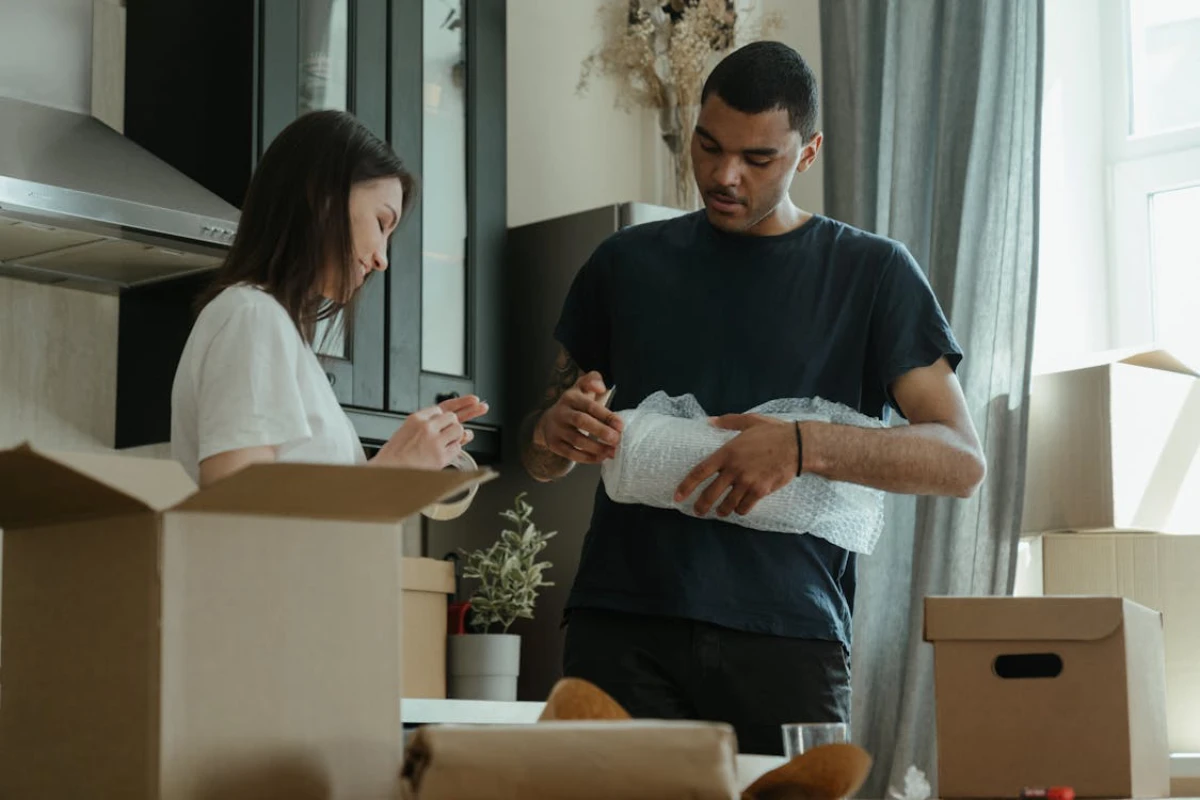
Moving in together is an exciting step for couples, families, or roommates, but combining two households can also create practical challenges. Two homes often mean two sets of furniture, appliances, kitchen supplies, decorations, and personal belongings.
With some planning and honest communication, you can create a shared home without making the process unnecessarily stressful.
Start With an Open Conversation
Before moving anything, discuss how you both imagine the new home working.
Talk about preferred styles, daily routines, storage needs, work-from-home requirements, and the areas that matter most to each person.
It is better to discuss potential disagreements before boxes arrive than to make decisions while surrounded by furniture and moving supplies.
Take Inventory of Both Homes
Make a basic list of the major items each person owns.
Focus first on larger belongings such as:
- Sofas and chairs
- Beds and bedroom furniture
- Dining tables
- Desks
- Televisions
- Kitchen appliances
- Storage furniture
- Large decorative pieces
This makes it easier to identify duplicates and decide what the new household actually needs.
Avoid Keeping Everything
Combining households usually means you will have duplicate items.
You may not need two coffee makers, three sets of dishes, multiple vacuum cleaners, or several pieces of furniture that serve the same purpose.
Compare similar items based on condition, usefulness, size, quality, and suitability for the new home. Keep the items that best fit your shared needs rather than automatically keeping whoever purchased them first.
Measure the New Space
A piece of furniture that worked perfectly in one home may not fit comfortably in another.
Measure rooms, doorways, stairways, and available storage before moving large items. Pay attention to the placement of windows, doors, outlets, and heating or cooling equipment.
Creating a simple floor plan can help you decide where important furniture should go before moving day.
Decide What to Keep, Donate, Sell, or Store
Once you identify duplicates, create separate categories for each item.
Useful belongings can move into the new home, while unwanted items may be sold or donated. Items with sentimental value that cannot fit immediately may be placed in storage if appropriate.
Try not to make every decision based purely on emotion. A practical approach can help prevent the new home from becoming overcrowded.
Combine Finances and Household Responsibilities
Money is an important part of sharing a home.
Discuss rent or mortgage payments, utilities, groceries, repairs, subscriptions, and other regular household expenses.
It is also useful to agree on everyday responsibilities such as cleaning, laundry, cooking, shopping, and maintenance.
Clear expectations can reduce misunderstandings after the move.
Create Shared and Personal Spaces
Living together does not mean giving up all personal space.
If possible, create areas where each person can work, relax, read, or enjoy hobbies independently. Even a small desk, chair, or dedicated corner can provide a sense of personal space.
At the same time, establish shared areas where everyone can spend time together comfortably.
Combine Different Decorating Styles
Two people may have completely different tastes in colors, furniture, artwork, or accessories.
Instead of choosing one person’s style over the other’s, look for common elements. Neutral furniture can provide a foundation while artwork, cushions, rugs, lighting, and accessories add personality.
The goal is to create a home that feels shared rather than belonging entirely to one person.
Organize Before Unpacking Everything
Avoid opening every box at once.
Start with essential areas such as the bedroom, bathroom, and kitchen. Once those spaces are functional, work through less important belongings gradually.
This approach can make the first few days much more manageable and prevent unnecessary clutter.
Discuss Sentimental Items Carefully
Personal belongings can carry emotional value even when they have little practical use.
Avoid throwing away someone else’s sentimental items without permission. If space is limited, discuss which belongings are most meaningful and whether some can be stored safely.
Respecting emotional attachments can make the transition into a shared home much smoother.
Give the New Home Time to Develop
Your combined home does not need to be perfect on moving day.
Live in the space for a while before making major purchases or renovations. As you settle in, you will learn what storage solutions, furniture arrangements, and household systems actually work.
Small changes over time can create a more comfortable and functional home.
Final Thoughts
Combining households is both a practical project and an important personal transition. Taking inventory, eliminating duplicates, discussing finances, respecting sentimental belongings, and creating shared as well as personal spaces can make the process easier.
Most importantly, treat the new home as a shared project. With communication and compromise, two separate households can become one comfortable space that reflects the people living in it.