




Key Takeaways
- Florida heat places added strain on tires, batteries, cooling systems, and air conditioning.
- Frequent rain makes tire tread, wipers, brakes, lights, and clean glass essential for safe travel.
- Coastal salt and humidity can accelerate corrosion if exterior and underbody care are neglected.
- A brief pre-trip inspection can help identify problems before they interrupt a weekend drive.
- Even a capable SUV should never be driven into a flooded roadway.
Luxury SUVs are designed to make everyday travel more comfortable, but Florida creates conditions that ask more of every vehicle. High temperatures, intense sunlight, sudden storms, wet pavement, stop-and-go traffic, and coastal air can all affect performance and appearance over time. Owners who want personalized guidance on selecting or caring for a premium vehicle can learn more while planning for the conditions that matter most on local roads.
The good news is that preparation does not need to be complicated. A consistent routine focused on tires, fluids, electrical systems, visibility, cabin comfort, and exterior protection can help keep an SUV ready for school runs, beach weekends, highway trips, and daily commuting.
Why Florida Creates Special Driving Conditions
Heat affects far more than cabin comfort. Hot pavement and high underhood temperatures can place extra pressure on rubber components, engine coolant, lubricants, battery chemistry, and air conditioning hardware. A vehicle that feels completely normal on a cool morning may respond differently after several hours of highway driving, idling in traffic, or sitting in an uncovered parking lot.
Humidity and heavy rain add another layer of concern. Moisture can linger in door seals, wheel wells, electrical connections, and cabin materials, while dark afternoon storms can quickly reduce visibility. Premium SUVs also have sophisticated cameras, sensors, displays, and climate controls, so routine checks are worthwhile before a minor issue becomes an inconvenient repair.
Start With a Tire and Wheel Check
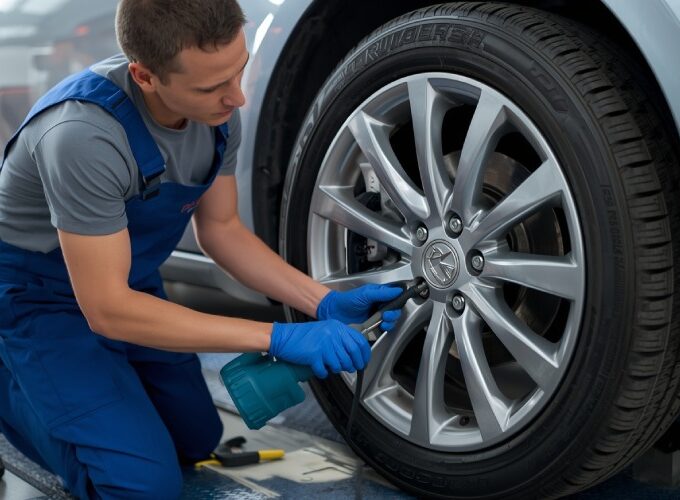
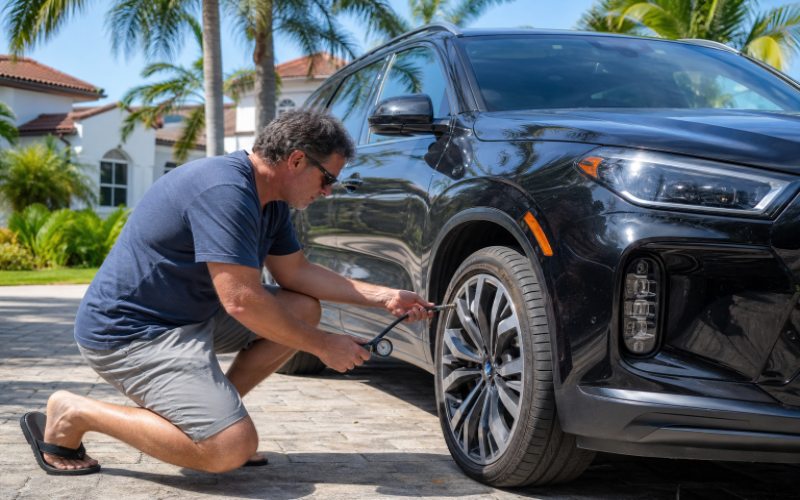
Tires are the only part of an SUV that directly contacts the road, which makes them especially important during hot, wet Florida weather. Tire maintenance recommendations for safe driving emphasize checking pressure when tires are cold, inspecting tread regularly, and using the pressure listed on the vehicle’s door placard or in the owner’s manual rather than the number printed on the tire sidewall.
- Check all four tires and the spare at least monthly, plus before longer trips.
- Look for cuts, bulges, cracking, nails, and uneven tread wear.
- Address shaking, pulling, or vibration promptly, since these symptoms can indicate balancing, alignment, or suspension concerns.
- Rotate tires according to the owner’s manual, particularly if the SUV has a staggered setup or specialized performance tires.
- Confirm that the jack, wheel-lock key, tire tools, and roadside assistance information are easy to access.
Inspect the Cooling System Before Peak Heat
An overheating warning should never be ignored. Before the hottest part of the year, inspect coolant levels only when the engine is fully cool, and look for evidence of leaks around hoses, the radiator, water pump, and the ground beneath the vehicle. A sweet odor, a rising temperature gauge, visible steam, or cooling fans that seem to run constantly all deserve attention.
Review the maintenance schedule before towing, extended highway travel, or a trip that will add unusually heavy loads. If a temperature warning appears while driving, safely pull over as soon as possible, turn off the engine, and allow the vehicle to cool. Opening a hot cooling-system cap can cause serious injury, so this is a situation best handled carefully or by a service professional.
Give the Battery and Electrical System Extra Attention
High temperatures can shorten battery life, and a luxury SUV relies heavily on electrical power for driver-assistance features, screens, charging ports, climate controls, and powered accessories. Check battery terminals for corrosion, pay attention to slow starts, and schedule a battery test if the vehicle has been parked for extended periods or is several years old.
It is also smart to notice warning lights, charging messages, dimming interior displays, or inconsistent power accessories. Keep a compact jump starter, phone cable, flashlight, and basic emergency supplies secured in the cargo area, especially before a road trip.
Prepare the Air Conditioning and Cabin
Air conditioning is a safety and comfort feature in Florida, not simply a luxury. Test whether the system cools evenly and quickly from all seating positions. Weak airflow, musty odors, or inconsistent temperatures may indicate a dirty cabin air filter or a system that needs inspection.
Check the front and rear defrosters, vent controls, and rear climate settings before storm season. A windshield sunshade can reduce cabin temperatures while parked, and keeping water, sunglasses, sunscreen, and a first-aid kit within reach makes longer drives more manageable.
Improve Visibility Before the Rain Arrives
Heavy rain can turn a familiar route into a difficult drive within minutes. Replace wiper blades that streak, chatter, skip, or leave untouched sections of glass. Refill windshield washer fluid, clean both sides of the windshield, and make sure headlights, brake lights, turn signals, and fog lamps operate correctly.
Clean glass matters because glare from wet roads, standing water, and headlights can become distracting after dark. If visibility falls sharply, reduce speed early, leave more room ahead, and avoid abrupt steering or braking inputs that can unsettle the vehicle on slick pavement.
Protect the Exterior From Sun, Humidity, and Salt Air
Florida’s coastal environment can leave salt, sand, pollen, and road film on paint, wheels, trim, and underbody components. Wash the SUV regularly, paying special attention to wheel wells, door jambs, lower body panels, and the undercarriage. Drying the vehicle afterward helps prevent standing moisture from lingering in seams and around trim.
Covered parking or shade can help preserve paint, leather, rubber seals, and interior plastics. Inspect paint chips promptly, because exposed metal may corrode more quickly in humid, salty air. Conditioning leather and keeping weather seals clean can also help maintain a refined cabin while reducing premature wear.
Know What To Do During Heavy Rain
Good preparation improves control, but it does not make floodwater safe. Flood safety guidance for drivers advises motorists not to enter water-covered roads or drive around barricades, because water can conceal damaged pavement, move unexpectedly, and carry a vehicle away.
- Slow down before rain becomes heavy enough to affect visibility.
- Increase following distance and keep headlights on when rain limits sight lines.
- Do not use cruise control on wet roads.
- Avoid sudden braking, rapid acceleration, and sharp steering.
- Turn around if water covers the roadway or its depth is uncertain.
- Use official alerts and choose a safe alternate route when storms affect travel.
Build a Simple Pre-Trip Inspection Routine
A five-minute check before a weekend trip can prevent a great deal of frustration. Start by checking tire pressure and tread, then look beneath the SUV for leaks. Test the air conditioning, wipers, lights, and phone charger. Secure loose cargo, pack water and emergency supplies, and review the forecast before leaving. If strong storms are likely, identify at least one alternate route before getting on the road.
When To Schedule Professional Service
Professional service is a sensible choice before a long road trip, towing job, or extended period of summer driving. Make an appointment when warning lights appear, the SUV pulls or vibrates, braking feels uneven, the air conditioning becomes weak, or starting becomes slow. Prompt inspection is also important after exposure to saltwater, floodwater, or deep standing water.
Common Questions About Florida SUV Care
How Often Should Tire Pressure Be Checked?
Monthly is a useful baseline, with an additional check before long drives. Measure pressure when tires are cold and use the manufacturer’s specified setting.
Can an SUV Drive Through Floodwater?
No. Ground clearance and all-wheel drive do not eliminate the danger of hidden road damage, current, mechanical damage, or loss of control.
Does Coastal Air Damage a Vehicle?
Salt and moisture can speed corrosion on exposed metal and hardware. Regular washing, underbody rinsing, and prompt repair of paint damage can reduce the risk.
What Should Be Checked Before a Summer Road Trip?
Inspect tires, brakes, fluids, battery condition, cooling components, air conditioning, lights, wipers, and emergency supplies before departure.
Conclusion
Florida driving rewards proactive care. Heat, rain, humidity, traffic, and coastal exposure can challenge any luxury SUV, but routine attention to tires, cooling, visibility, electrical systems, and exterior protection can make every trip safer and more comfortable. A few minutes of preparation before leaving can help keep an ordinary drive from becoming an unexpected roadside delay.